Study Criticizes NYT Gaza Coverage Amid Editing Controversy
Study Criticizes NYT Gaza Coverage Amid Editing Controversy
Anonymous
Key Points
1
Pinker’s study found that only 42% of the 969 articles that addressed relevant coverage mentioned Israeli hostages, while 55% did not mention Israeli deaths on Oct. 7 or Israeli deaths more generally, despite the hostages’ central role in cease-fire negotiations.
2
The study reported a marked imbalance in references to violence: Israeli violence was absent from only 38 articles, while the Hamas attack was absent from 237. Pinker said this framing could leave readers with the impression that Israel’s post-Oct. 7 actions caused Palestinian deaths without further Israeli casualties.
3
Pinker compared the Times’ reporting with Israeli coverage of military losses, finding that 128 of the 244 sampled days had at least one IDF death, while the Times mentioned Israeli casualties on only 74 days; there were also nine periods of at least a week without mention of Israeli military casualties.
4
The disputed sentence appeared in a report by Jerusalem-based journalist Isabel Kershner about the documentary “NAZA,” which investigates Palestinian deaths caused by Israeli forces in Gaza; the article also noted that Israel’s culture minister had suggested revoking the filmmakers’ citizenship.
5
The wording triggered public criticism from several commentators, including writer Eitan Fischberger, who said the article suggested Israelis were not the “REAL victims” of Oct. 7, and CNN panelist Scott Jennings, who called the sentence “an abomination.”
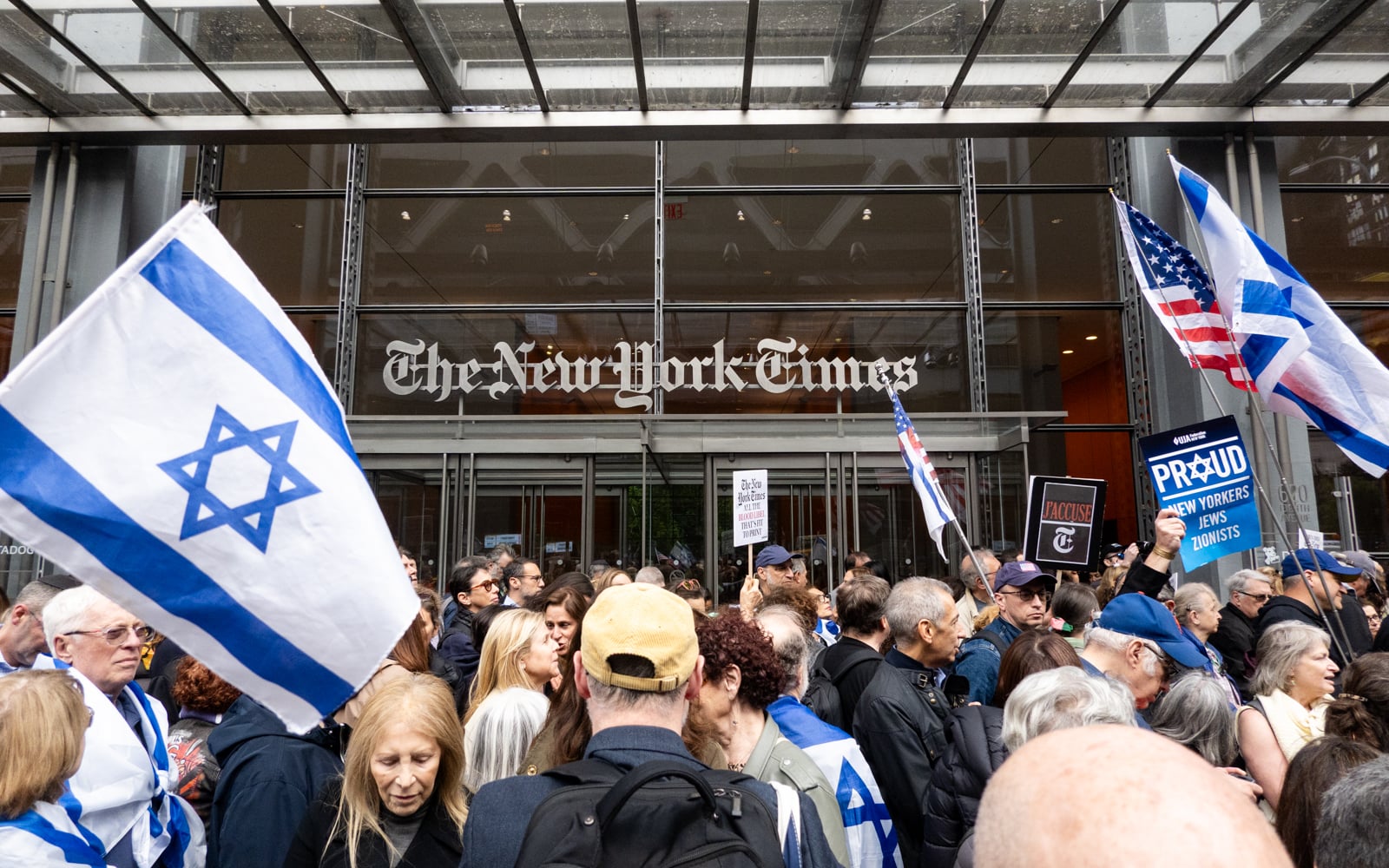
A Yale professor's peer-reviewed study argues that The New York Times systematically downplayed Israeli casualties and hostages while emphasizing Palestinian suffering across 1,559 articles about the Gaza war. Yale School of Management professor Edieal Pinker found that only 42% of relevant articles mentioned Israeli hostages, while 55% omitted Israeli deaths entirely—despite hostages' central role in cease-fire talks.
The criticism intensified after Times of Israel reported the newspaper removed a sentence from a documentary review that appeared to question whether Israelis were victims of Hamas's October 7 attack, which killed about 1,200 people and took over 250 hostages. The Times called it an editing error but acknowledged the wording was problematic.
Study Finds Massive Gaps in Hostage and Casualty Coverage
Pinker's analysis of New York Times articles from October 7, 2023 through June 7, 2024 revealed stark imbalances. Israeli hostages appeared in only 42% of relevant articles. Israeli deaths on October 7 or in general were absent from 55% of pieces. Meanwhile, Israeli violence was mentioned in nearly all articles—missing from only 38 out of 969 sampled pieces.
The Hamas attack itself was omitted from 237 articles. According to Pinker, this framing risks leaving readers believing Israel's military actions caused Palestinian deaths without Israeli casualties to balance the narrative. The study also found the word "Israel" appeared 27,205 times versus "Hamas" only 8,499 times across the sample.
Times Rejected Study's Conclusions, Defended Coverage
The New York Times pushed back against Pinker's findings, stating it covered the war accurately, rigorously, and from multiple perspectives. The newspaper argued critics were "cherry-picking" data while ignoring the full scope of its reporting—citing international war crimes prosecutors who used Times investigations as evidence.
The Times emphasized its 23,000+ pieces of content provided legal and historical context. Critics countered that when adjusted for casualty numbers, Israeli deaths actually received significantly higher coverage per person than Palestinian deaths—up to 25 times more in some analyses.
Editing Controversy Over Documentary Review Intensifies Scrutiny
In September 2026, Times of Israel and Daily Mail reported that The New York Times removed a sentence from reporter Isabel Kershner's article about the documentary "NAZA," which investigates Palestinian deaths from Israeli military actions. The disputed wording appeared to question whether Israelis were victims of October 7.
Commentators including writer Eitan Fischberger and CNN panelist Scott Jennings publicly criticized the sentence, with Jennings calling it "an abomination." The Times called the removal an editing error, stating it intended to describe Israeli debate over military policy—not deny Israeli victimhood. The article also noted Israel's Culture Minister had suggested revoking the filmmakers' citizenship.
Ongoing Debate Over Media Bias in Conflict Coverage
The dispute reflects broader tension between pro-Israel and pro-Palestinian observers over Western media's role. Pro-Israel critics say outlets minimize Hamas atrocities and downplay Israeli suffering. Pro-Palestinian advocates argue coverage centers Israeli security concerns over Palestinian humanitarian needs. Neither camp is satisfied with The New York Times' approach.
Pinker's study reignited institutional skepticism toward legacy media covering active conflicts. The controversy also pressures Israeli filmmakers and state-funded projects, as Culture Minister Miki Zohar moved to threaten citizenship revocation for documentary makers. Editorial teams now face tighter oversight on real-time text updates at international bureaus.
Sentiment
Mostly NegativeNEGATIVENEUTRALPOSITIVE
Publishers
25
Articles
82
Reach
107
A
AnonymousAuthor


