Putin’s Rule Faces Election, Health Scrutiny
Putin’s Rule Faces Election, Health Scrutiny
Anonymous
Key Points
1
More than 30 million Russians reportedly watched the Victory Day parade, which included leaders from Belarus, Kazakhstan, Uzbekistan, Malaysia and Laos. Slovakia’s Prime Minister Robert Fico visited Moscow but did not attend the parade itself.
2
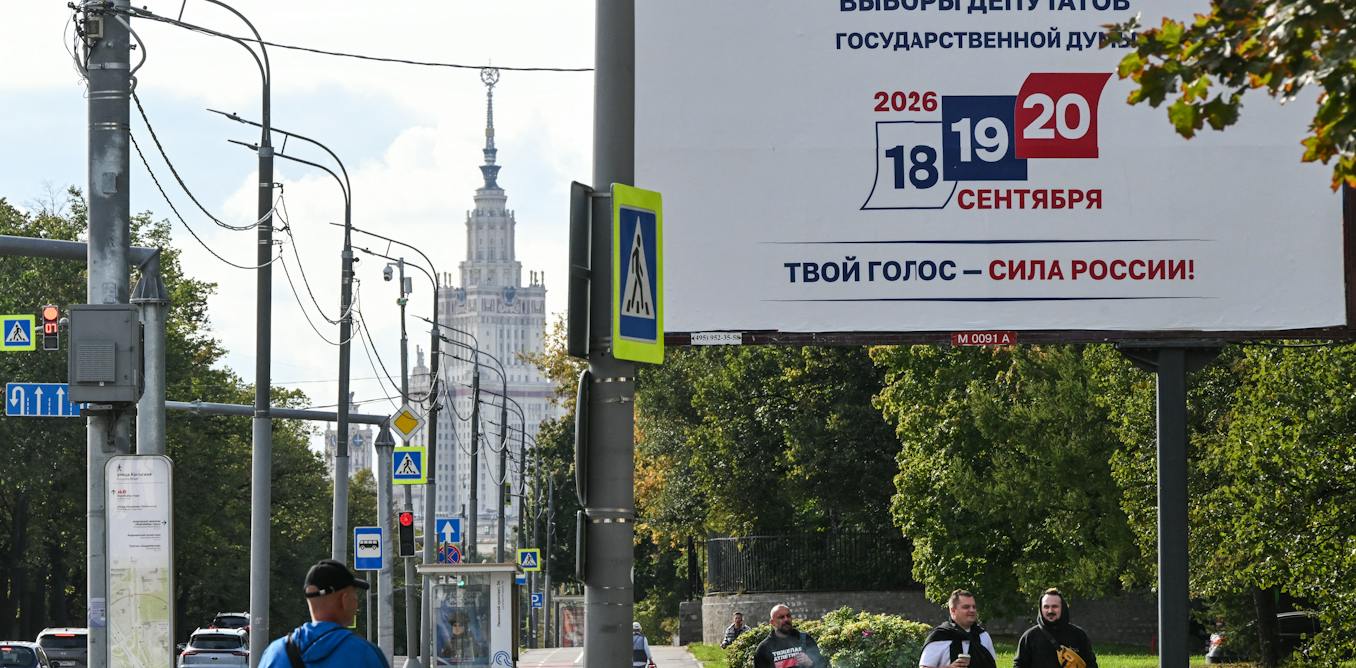
The 2026 parliamentary vote is scheduled for Sept. 18–20, with all 450 State Duma seats formally at stake; the account describes the outcome as effectively predetermined and says the Kremlin is expected to manufacture the results.
3
The prediction market on Putin leaving office before July 1, 2027 would resolve not only in the event of resignation or official removal, but also if he were detained or permanently prevented from performing his duties. The analysis notes that temporary illness or incapacitation may not satisfy the market’s removal criteria.
4
The health speculation was prompted by footage showing a dark mark on Putin’s left hand, which medical experts characterized as possibly a hematoma from an intravenous procedure; the mark appeared in some Sept. 1 footage but not in earlier meetings on the same day or on Aug. 29.
5
United Russia leader Dmitry Medvedev’s campaign interview appeared in the business newspaper Vedomosti rather than a mass-audience outlet, and its bureaucratic discussion of the war, drones and foreign affairs omitted rising prices, fuel shortages and business difficulties. The report says the campaign’s strategy was to avoid attracting extra attention and rely mainly on loyal or authority-dependent voters.
Vladimir Putin's grip on power remains firm, but Russia's Kremlin increasingly relies on managed elections and theatrical displays rather than military victories to project strength. The Conversation reports that the 2026 parliamentary elections scheduled for September 18-20 are effectively predetermined, with Voice of Alexandria noting that vote tallies, turnout levels, and coercion tactics will reveal the true story of Russia's wartime politics. Meanwhile, health speculation about Putin — fueled by footage of a dark mark on his hand — has drawn prediction-market interest in whether he will leave office before July 2027, though analysts caution that visible aging does not guarantee imminent political removal.
The May Victory Day parade drew over 30 million Russian viewers but featured a scaled-back spectacle, substituting cadets and foreign troops for prominent military hardware. The Print highlights that Russia's ruling elite face challenges from opposition candidates like Polina Lermant, who risks imprisonment to challenge the system, underscoring tensions beneath the Kremlin's carefully controlled electoral theater.
A Victory Day Without Victories
The Kremlin's May victory parade drew over 30 million viewers but substituted military strength for political theater. Voice of Alexandria describes it as a scaled-back spectacle that relied on foreign leaders and cadets rather than major military hardware. Delegations from Belarus, Kazakhstan, Uzbekistan, Malaysia, and Laos attended, while Slovakia's Prime Minister Robert Fico visited Moscow but skipped the parade itself. The muted display suggests the Kremlin is struggling to announce genuine battlefield successes.
Elections Rigged Before Voting Begins
Russia's 2026 parliamentary elections on September 18-20 will technically contest all 450 State Duma seats, but The Conversation reports the outcome is effectively predetermined. Voice of Alexandria emphasizes that vote tallies, turnout levels, and coercion intensity will reveal how tightly the Kremlin controls the process. DevDiscourse frames the election as a test of public support for the Ukraine war. The Kremlin is expected to manufacture results favoring United Russia, the ruling party.
United Russia leader Dmitry Medvedev's campaign strategy avoids mass-audience outlets, appearing instead in the business newspaper Vedomosti. Voice of Alexandria notes that his discussion skipped rising inflation, fuel shortages, and war fatigue. Instead, the campaign focused on bureaucratic issues like drones and foreign affairs. The strategy relies mainly on loyal or authority-dependent voters rather than drawing broader attention.
Health Rumors Stoke Prediction Markets
Footage from September 1 revealed a dark mark on Putin's left hand, triggering speculation about his health and political future. Medical experts suggested it could be a hematoma from an intravenous procedure. The mark appeared in some September 1 footage but not in earlier meetings that same day or on August 29. Prediction markets have surged with interest in whether Putin will leave office before July 1, 2027, though the criteria extend beyond resignation — they include detention or permanent inability to perform duties.
Analysts emphasize that temporary illness or visible aging does not necessarily signal imminent removal. Voice of Alexandria cautions that the market's strict criteria — requiring resignation, official removal, detention, or permanent incapacity — are a high bar. Temporary health setbacks alone would not satisfy these conditions. Putin remains firmly in control despite growing reliance on managed elections and ritualized displays rather than clear battlefield achievements.
Opposition Candidates Risk Everything to Challenge the System
Within Russia's tightly controlled electoral framework, opposition candidates face extreme personal danger. The Print profiles Polina Lermant, a Yabloko party candidate challenging Russia's ruling elite despite risks of false accusations and imprisonment. Her willingness to run signals underlying tensions in Russian society that the Kremlin's managed elections and propaganda cannot fully suppress. These candidates represent the resistance simmering beneath the surface of Putin's controlled political theater.
Sentiment
Mostly NegativeNEGATIVENEUTRALPOSITIVE
Publishers
35
Articles
52
Reach
87
A
AnonymousAuthor


