Heatwave Sparks Food Inflation
Extreme Heat Wave Across Korea Fuels Inflation, Driving Up Essential Food Prices
Anonymous
Key Points
1
Egg and poultry prices have surged: a 10-pack of extra-large eggs reached 5,222 won, up about 38.6% from a year earlier, marking the first time it exceeded 5,000 won; chicken prices have risen roughly 20% as demand for summer health foods grows. The supply squeeze is linked to last winter’s highly pathogenic avian influenza outbreak, with prices for staples like samgyetang and other produce climbing. The government has formed a task force to stabilize supply and demand and has begun releasing government seafood stockpiles.
2
Seoul’s heat-management plan includes seven southwestern districts (Gangseo, Yangcheon, Guro, Yeongdeungpo, Dongjak, Gwanak, Geumcheon) under a heat wave advisory, supported by an integrated heat wave operations center that coordinates weather monitoring, damage status, and protection for vulnerable groups. Districts must keep response centers running, stockpile cooling and emergency relief supplies, and expand outreach to the elderly and homeless, including 24-hour cooling shelters and enhanced phone check-ins or home visits.
3
Forecasters describe a double-layer high-pressure system (a Tibetan high in the upper atmosphere and a North Pacific high below) that pushes the monsoon front north of Korea, setting the stage for widespread heat with southern regions possibly hitting 38°C and tropical nights nationwide; Seoul daytime temperatures around 33°C with higher apparent temperatures and advisories urging hydration and reduced outdoor activity.
4
Official heat-alert thresholds are defined: a heat advisory is issued when the daily maximum heat index is forecast to reach 33°C or above for two consecutive days, while a heat warning is issued at 35°C for two consecutive days. The response includes measures like seven heat-relief shelters and intensified protections for vulnerable residents, including the elderly and homeless.
Korea is in the grip of an unusually early heat wave, and it is hitting wallets hard. A 10-pack of extra-large eggs now costs 5,222 won — up 38.6% from a year ago and the first time it has ever topped 5,000 won, according to Seoul Economic Daily. Chicken prices have climbed about 20% as demand for summer dishes surges.
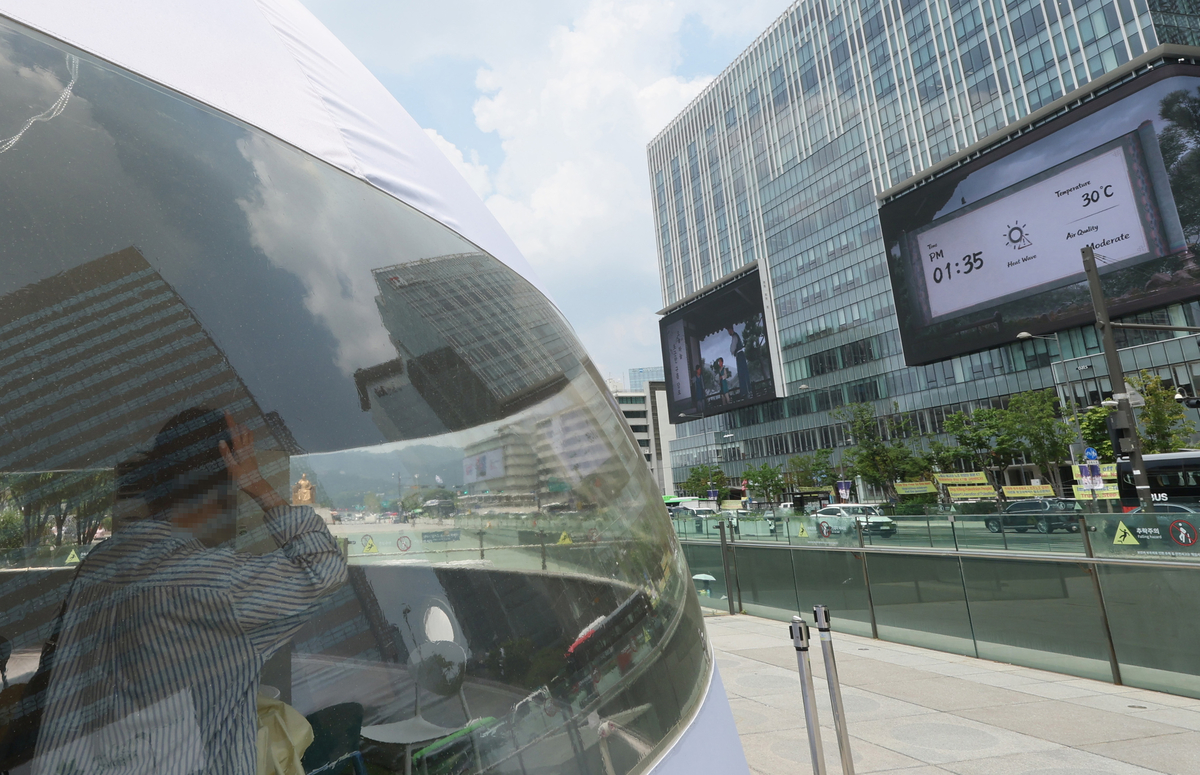
The heat is only getting worse. Forecasters warn temperatures could hit 38°C in southern Korea this weekend, with tropical nights expected nationwide, according to Korea JoongAng Daily. Seoul issued its first heat wave advisory of the summer for seven southwestern districts on Friday.
Egg and Chicken Prices Surge to Record Highs
Korea's food inflation is being driven by two forces: extreme heat and a lingering bird flu outbreak. Last winter's highly pathogenic avian influenza hit poultry supplies hard. Now summer heat is piling on, pushing prices for staple dishes like samgyetang — a chicken and ginseng soup popular in hot weather — sharply higher, according to Bloomingbit.
The government has responded by forming a task force to stabilize supply and demand. Officials have also begun releasing stockpiles of seafood to ease pressure on protein prices. But analysts warn that climate-driven volatility makes these fixes hard to sustain. Korea's broader food inflation problem now has a name: "heatflation," according to Bloomingbit.
Seoul Puts Seven Districts on Heat Alert
Seoul's Metropolitan Government issued a heat wave advisory covering seven southwestern districts: Gangseo, Yangcheon, Guro, Yeongdeungpo, Dongjak, Gwanak, and Geumcheon. The advisory came just one day after heavy rain warnings were lifted across the city, according to Seoul Economic Daily. High humidity is making the heat feel even worse than the thermometer shows.
The city activated an integrated heat wave operations center to track weather data and protect vulnerable residents. All districts must keep heat-response centers open around the clock. They are also required to stockpile cooling supplies, run 24-hour shelters, and make phone check-ins or home visits to elderly and homeless residents.
A Double High-Pressure System Is Baking the Peninsula
Meteorologists say a rare "double-layer" high-pressure system is behind the intense heat. A Tibetan high sits in the upper atmosphere while a North Pacific high sits below it. Together, they push the monsoon front north of Korea and trap hot air over the peninsula, according to Korea JoongAng Daily. Southern regions could see 38°C this weekend.
Seoul is expected to hit around 33°C during the day, but the "apparent temperature" — what it actually feels like — will be higher due to humidity. Tropical nights, when temperatures stay above 25°C overnight, are forecast nationwide. Officials are urging people to drink water often and stay out of the sun during peak hours.
Korea Escalates National Alert System as Weekend Heat Peaks
Korea uses a two-tier heat alert system. A heat advisory goes out when the daily heat index is forecast to hit 33°C or above for two days in a row. A heat warning kicks in at 35°C for two consecutive days. South Korea's Ministry of the Interior and Safety has escalated alerts to the severe warning level ahead of the weekend, according to Streamline Feed.
Local governments have opened seven heat-relief shelters and expanded outreach to at-risk groups, especially the elderly and homeless. Outdoor workers must be given rest breaks and access to shade. Officials say the heat is expected to ease slightly next week, but warn that more intense heat waves are likely as summer deepens.
Sentiment
Mostly NegativeNEGATIVENEUTRALPOSITIVE
Publishers
10
Articles
2
Reach
12
A
AnonymousAuthor


