Korea's Record Heat Emergency
Record Heatwave Sweeps Korean Peninsula, Prompts Emergency Response Amid Surging Temperatures and Illnesses
Anonymous
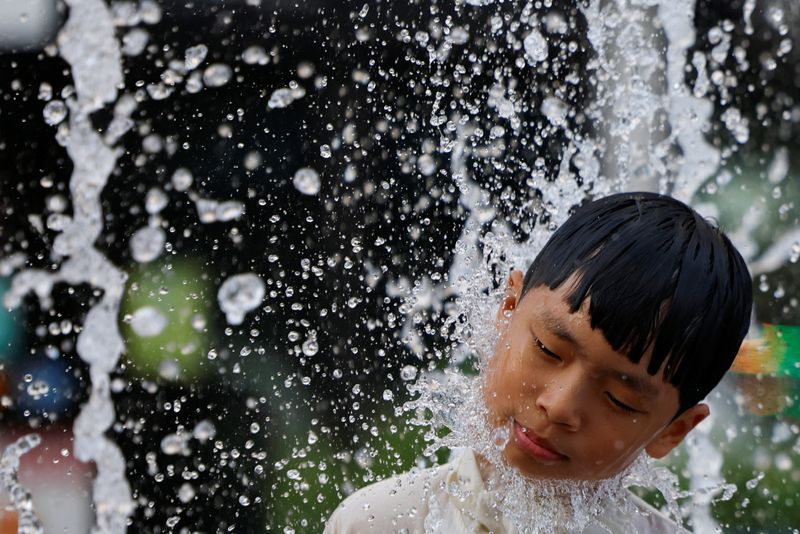
A record-breaking heatwave is scorching the Korean peninsula, with Yangsan, South Korea hitting 42.5 degrees Celsius (108.5°F) on Sunday — the highest temperature recorded in 122 years of weather observations, according to Korea Meteorological Administration. Temperatures have topped 40°C in parts of the country, and Pyongyang endured its fifth straight tropical night.
The extreme heat has killed 14 people and sent 1,889 others to seek medical care since mid-May, according to Yahoo News. South Korea's prime minister has ordered an emergency government response, and power authorities are bracing for what could be record electricity demand later this month.
Yangsan Breaks 122-Year Temperature Record
The city of Yangsan set a historic mark on Sunday, recording 42.5°C — the hottest temperature logged in South Korea since weather records began 122 years ago, The Modesto Bee reported. Temperatures across southern regions have repeatedly crossed 40°C in recent days. South Korea's weather agency warned that western parts of the country could see temperatures climb even higher this week.
Severe heatwave warnings are now in effect across a wide swath of southern South Korea. Affected areas include Busan, Ulsan, South Gyeongsang Province, and parts of Gwangju and South Jeolla Province. North Korea is also feeling the heat, with Pyongyang logging five straight tropical nights — nights where temperatures stay above 25°C and offer no relief from the daytime heat.
14 Dead, Nearly 1,900 Sick Since Mid-May
Data from South Korea's Korea Disease Control and Prevention Agency shows 14 people have died from heat-related causes since mid-May. Another 1,889 people have suffered heat-related illnesses in the same period. The death toll and illness numbers are expected to grow as the heatwave shows no sign of easing.
Heat illness can range from cramps and exhaustion to heatstroke, which can be fatal if not treated quickly. Health officials have urged people — especially the elderly and outdoor workers — to stay hydrated, avoid peak afternoon sun, and seek air-conditioned spaces whenever possible.
Prime Minister Orders Emergency Mobilisation Across Government
Prime Minister Han Seong-sook has directed all government ministries and local governments to mobilise resources immediately to deal with the heatwave and growing drought risks, according to Yahoo News. The order signals that officials view this as a national emergency, not just a regional weather event.
Power authorities have activated emergency measures to keep the grid stable. Electricity use is expected to hit a record high in late August, driven by a massive spike in air-conditioning demand. Officials are closely watching the balance between electricity supply and demand to prevent blackouts during the peak heat period.
Power Grid Stretched as Air-Conditioning Use Surges
South Korea's electricity system is under strain as millions of people crank up their air conditioners to cope with the heat. Power authorities have switched on emergency protocols and are monitoring supply levels in real time, KFGO reported. Officials expect consumption to peak at record levels in late August.
The combination of extreme heat, high power demand, and drought risks creates a compounding challenge for the government. Droughts can reduce water available for cooling power plants, which further stresses the grid. South Korean officials are watching all of these threats at the same time as temperatures show no signs of dropping soon.
Sentiment
NeutralNEGATIVENEUTRALPOSITIVE
Publishers
16
Articles
16
Reach
16
Topics
A
AnonymousAuthor


