Report Finds 45% of Migratory Birds Declining
Report Finds 45% of Migratory Birds Declining
Anonymous
Key Points
1
Among the assessed migratory species, 30% have stable populations, 14% are increasing and trends for the remaining 11% are unknown. Of the 200 species threatened with extinction, 32 are critically endangered, 57 endangered and 111 vulnerable.
2
The East Asian–Australasian Flyway has the highest proportion of declining species among the four major terrestrial routes, at 53%. Separately, the number of birds making long-distance flights between Europe and Africa has fallen by about 35% since 1980.
3
The 2026 assessment is BirdLife International’s first State of the World’s Birds report devoted exclusively to migratory birds and the flyways they depend on. Lead author Lucy Haskell described migratory birds as indicators of broader ecosystem health and said the report is “a warning about the state of the planet in general.”
4
BirdLife estimates that between 13.1 million and 42.7 million migratory birds are illegally killed or taken each year, illustrating the scale of persecution beyond the report’s species-level threat figures.
5
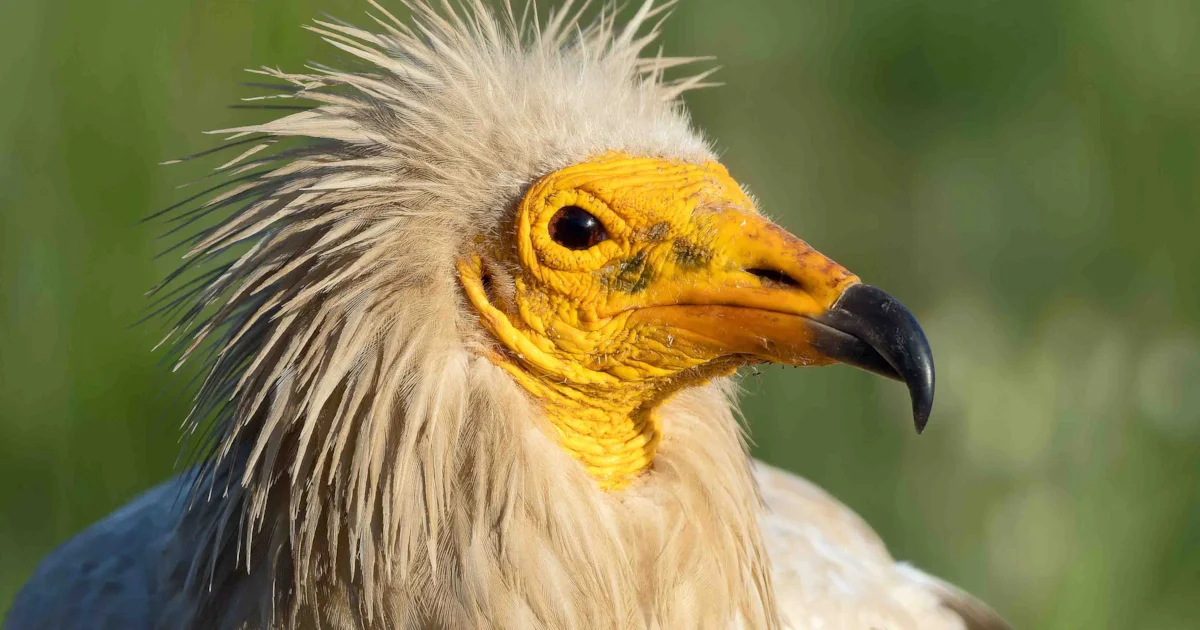
The report highlights the Egyptian Vulture as an example of successful coordinated conservation: action across several countries has helped halt the decline of its breeding population in the Balkans. It also underscores the importance of stopover sites such as Cyprus, where wetlands, coastal areas and farmland provide resting and refuelling habitat for birds crossing between Europe, Asia and Africa.
Nearly half of the world's migratory birds are in serious trouble. BirdLife International found that 45% of 1,843 migratory bird species are declining, and one in nine face extinction. Seabirds and shorebirds have been hit hardest by habitat loss, climate change, and illegal killing.
At the Global Flyways Summit in Nairobi, world leaders signed the Nairobi Flyways Declaration to fight back. Development banks committed more than $6 billion to protect and restore habitats along migration routes. BirdLife researcher Lucy Haskell called migratory birds 'indicators of broader ecosystem health,' warning that the report is 'a warning about the state of the planet in general.'
The Crisis Across Four Major Migration Routes
Migratory birds travel four main pathways called flyways. The East Asian–Australasian Flyway is in crisis, with 53% of species declining — the worst of all routes. Meanwhile, birds flying between Europe and Africa have dropped by 35% since 1980, according to the BirdLife report.
Among all assessed migratory species, 30% have stable populations and 14% are increasing. But the latest assessment shows 200 species now face extinction: 32 are critically endangered, 57 endangered, and 111 vulnerable.
Illegal Killing and Habitat Destruction Drive the Decline
Human activity is destroying migratory birds. BirdLife estimates that between 13.1 million and 42.7 million birds are illegally killed or trapped each year. Habitat loss, intensive farming, invasive species, and pollution also devastate populations. The slender-billed curlew has already gone extinct, with several other species disappearing or suspected to be gone.
Climate change is making survival harder. Rising temperatures shift the timing of food sources, leaving birds out of sync with nature. Wetlands and coastal areas—critical rest stops for exhausted birds—are shrinking rapidly due to development and pollution.
Egypt's Vultures Show Coordinated Conservation Works
One species proves that saving migratory birds is possible. The Egyptian Vulture was crashing across the Balkans until countries worked together to protect it. Now its breeding population is stabilizing, showing what cooperation can achieve.
Stopover sites are just as important as breeding grounds. Islands like Cyprus provide wetlands and farmland where migrating birds rest and refuel between continents. Without these rest stops, long-distance journeys become deadly. Protecting the entire migration route—not just one country—is key to survival.
$6 Billion Pledged to Restore Migration Routes
The Nairobi Flyways Declaration signals real action. Development banks committed over $6 billion to restore habitats along all four major flyways. Money will fund wetland protection, forest conservation, and coastal cleanup—the spaces birds depend on.
Lucy Haskell, lead author of the BirdLife report, framed the crisis clearly: migratory birds are 'canaries in the coal mine' for global ecosystem collapse. Without urgent action across entire continents, more species will vanish. With coordinated investment and protection, declines can reverse.
Sentiment
Mostly NegativeNEGATIVENEUTRALPOSITIVE
Publishers
15
Articles
17
Reach
32
A
AnonymousAuthor


