Cyclosporiasis Outbreak Impacts Food
US Diners Avoid Restaurants and Lettuce Sales Drop Due to Cyclosporiasis Outbreak
Anonymous
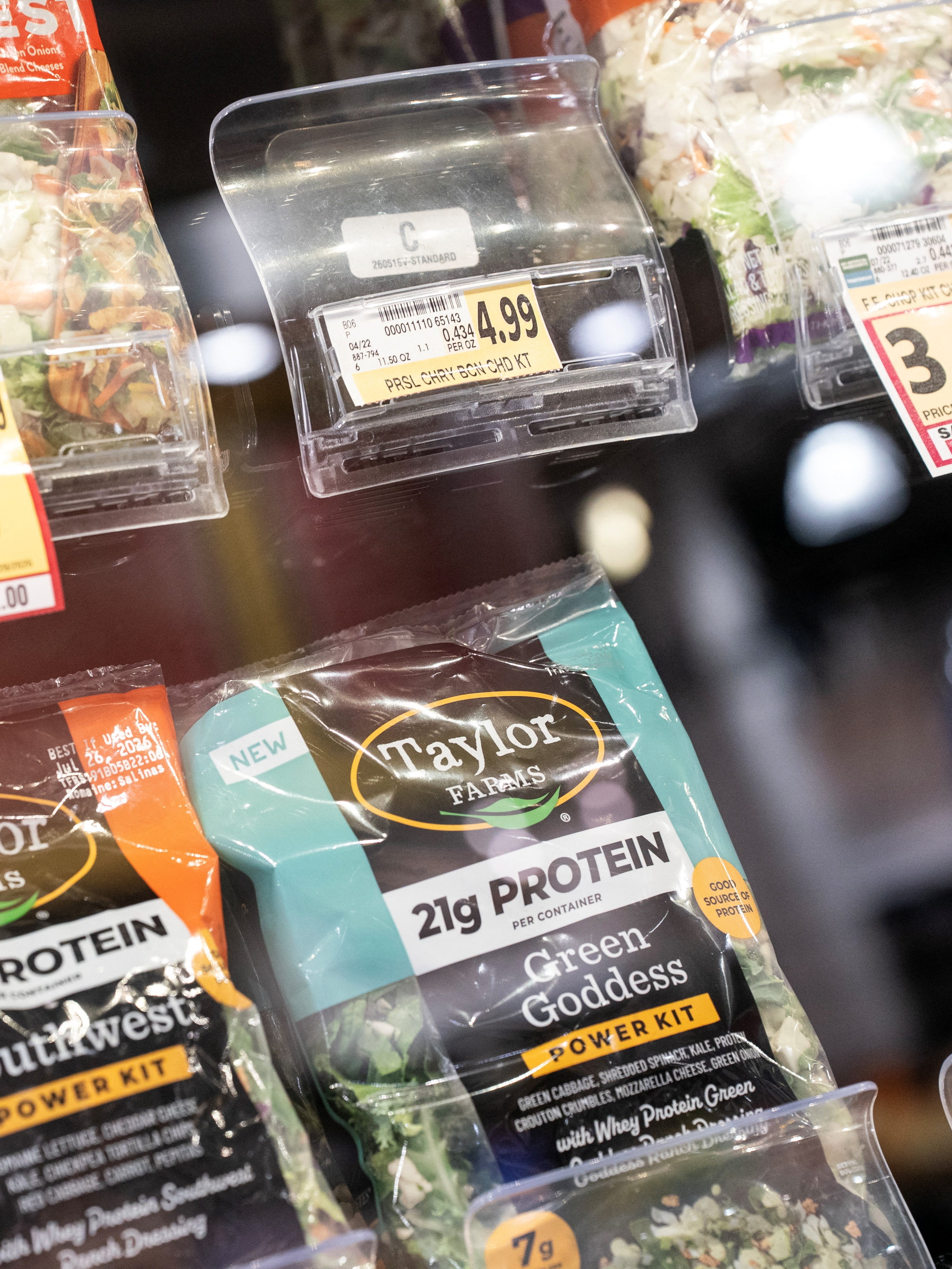
A multistate outbreak of cyclosporiasis — a parasitic intestinal illness — is keeping U.S. diners away from restaurants and pulling lettuce off grocery store shelves, according to Greensboro.com. Foot traffic data and industry sources confirm consumers are confused about what is safe to eat, and they are responding by avoiding salads altogether.
Cyclosporiasis is caused by a tiny parasite called Cyclospora cayetanensis. It spreads through contaminated food or water and causes stomach cramps, nausea, and prolonged diarrhea. The outbreak spans multiple states, though health officials have not yet pinpointed a single source, leaving shoppers and diners uncertain about which products to avoid.
Diners Stay Home as Restaurant Foot Traffic Drops
Some restaurant chains are seeing fewer customers walk through their doors, according to Missoulian. The drop is tied directly to fear of the outbreak. Chains known for salads and fresh greens are hit hardest. Consumers are not waiting for an official recall before changing their habits — they are acting on fear alone.
This kind of consumer pullback is common during food safety scares. Even diners who do not fully understand the illness are skipping restaurants as a precaution. Industry watchers say the damage to foot traffic can linger weeks after an outbreak fades, according to WCF Courier.
Lettuce Sales Slide at Grocery Stores Nationwide
Grocery stores are feeling the pain too. Lettuce sales have dropped as shoppers bypass the produce aisle, according to Fredericksburg.com. Romaine, iceberg, and other salad greens are moving slower than usual. Some stores have pulled certain products as a precaution, even without a formal recall order.
The drop in sales is notable because no specific brand or farm has been officially named as the source. That uncertainty makes the problem worse. When consumers do not know what to avoid, they tend to avoid everything in the category, according to The Eagle.
What Cyclosporiasis Is and Why It Spreads Easily
Cyclospora cayetanensis is a one-celled parasite too small to see without a microscope. It gets into food through contaminated water used in growing or washing produce. Once someone eats it, symptoms can take one to two weeks to appear. That delay makes it hard to trace the illness back to a specific meal or product, according to Roanoke.com.
Symptoms include watery diarrhea, loss of appetite, bloating, and fatigue. The illness can last weeks if not treated. Doctors treat it with a combination antibiotic called trimethoprim-sulfamethoxazole. Washing produce at home does not reliably remove the parasite, which is part of why public anxiety is running high.
No Official Recall Yet, Leaving Consumers in the Dark
Health officials have confirmed the multistate outbreak but have not issued a formal recall or named a specific supplier, according to Greensboro.com. That gap between confirmed illness and official guidance is fueling the most consumer anxiety. People are making their own decisions without clear direction from regulators.
Industry groups are urging calm, but the economic damage is already adding up. Lettuce growers and restaurant operators alike are watching sales slip as the investigation continues. Experts say clear, fast communication from health agencies is the only thing that can stop the broader market slide, according to WCF Courier.
Sentiment
NeutralNEGATIVENEUTRALPOSITIVE
Publishers
7
Articles
7
Reach
7
A
AnonymousAuthor