UPI Merchant Fee Protests
Traders Protest Proposed UPI Merchant Fee Ahead of October Deadline
Anonymous
Key Points
1
The planned October 2 protest has attracted nationwide backing from several trade groups, including the Maharashtra Chamber of Commerce, Industry & Agriculture, the All India Consumer Products Distributors Federation, jewellers’ and goldsmiths’ associations, mobile retailers and retail traders. MCCIA president Ravindra Mangave said about 500 affiliated associations in Maharashtra would participate and seek meetings with the chief minister and finance minister.
2
In Madhya Pradesh, organizers estimated that nearly 125 business organisations in Indore took part in the protest. Ahilya Chamber president Ramesh Khandelwal asked why traders should bear the additional burden if MDR proceeds are not going to the government treasury.
3
A consumer-rights group in Jabalpur challenged the procedure used to impose the charge, arguing that Section 10 of the Payment and Settlement Systems Act, 2007 required the government to invite objections for 30 days before introducing the levy.
4
The National Payments Corporation of India introduced the new MDR framework on September 15, and the government says the fee will be distributed among payment-ecosystem participants, including banks and payment-application providers, rather than retained by the government.
5
Opposition Leader Rahul Gandhi has described the proposed MDR as a “UPI tax” and called for its immediate withdrawal. Santosh Katariya of the Clothing Manufacturers Association of India also criticized introducing the charge at the start of the festive season, saying the timing was particularly difficult for businesses.
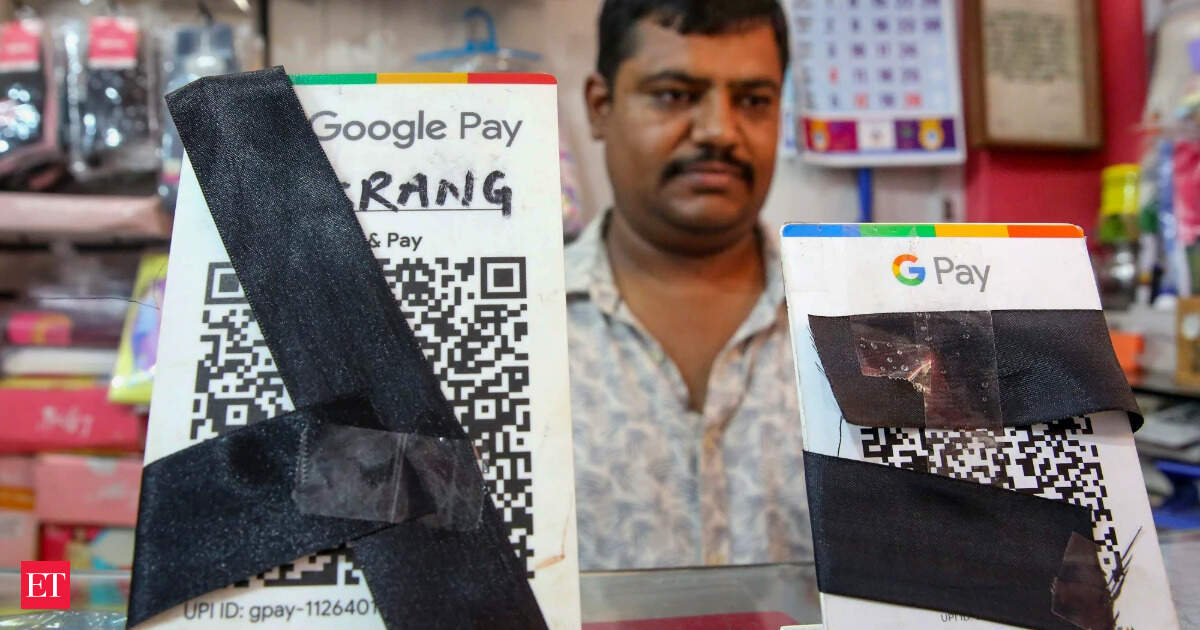
Traders across India are staging protests against a new 0.4% fee on UPI payments above ₹2,000, scheduled to start October 15. Business groups organized "No UPI Day" demonstrations, covering QR codes and urging customers to use cash instead, arguing the charge will hurt their profits and could increase costs for shoppers Economic Times.
Finance Minister Nirmala Sitharaman said the fee is not a tax and won't go to the government — instead, it will be split among banks and payment apps India Today. She also noted that 96% of UPI transactions will remain free, including person-to-person payments and sales under ₹2,000.
Nationwide Protests Gain Steam Across States
On October 2, business associations in multiple states joined the "No UPI Day" movement. The Maharashtra Chamber of Commerce said about 500 affiliated groups would participate and meet with state leaders Business Standard. In Madhya Pradesh, nearly 125 business organizations in Indore protested the fee.
Trade groups criticized the timing. Santosh Katariya of the Clothing Manufacturers Association called it "particularly difficult" to impose the fee during India's busy festival season when sales peak Business Standard.
Traders Question Why Fee Isn't Going to Government
Business leaders are puzzled about where the money goes. Ramesh Khandelwal, president of Ahilya Chamber, asked: why should traders pay an extra burden if the fee doesn't reach the government treasury? NewsBytes App The National Payments Corporation introduced the fee framework on September 15.
A consumer-rights group in Jabalpur challenged the process itself. They argued the government skipped required steps — specifically, a 30-day public comment period — before imposing the charge India Today.
Opposition Leader Calls Fee a "UPI Tax"
Opposition leader Rahul Gandhi labeled the charge a "UPI tax" and demanded immediate withdrawal Business Standard. Critics worry that even though the government says costs won't reach customers, businesses may pass on the expense anyway.
The fee will cap at ₹300 per transaction. It only applies to person-to-merchant UPI payments over ₹2,000 — person-to-person transfers and purchases under ₹2,000 stay free The Daily Jagran.
Sentiment
Mostly NegativeNEGATIVENEUTRALPOSITIVE
Publishers
24
Articles
26
Reach
50
A
AnonymousAuthor


