Summit Threatened by Taiwan Arms
China Threatens to Cancel Trump-Xi Summit Over Proposed Taiwan Arms Sales
Anonymous
Key Points
1
The Trump administration announced an unprecedented $11 billion arms package for Taiwan in December, prompting an angry reaction from Beijing. A separate $14 billion arms sale was reportedly paused in May so the United States could ensure it had enough weapons for its war with Iran.
2
Xi Jinping told President Donald Trump during their mid-May meeting in Beijing that Taiwan was the “most important issue” in bilateral relations and warned that mishandling it could lead to conflict.
3
China’s military pressure has intensified: in July, Beijing conducted its first intercontinental ballistic missile test over the Pacific since 2024, adding to concerns about a possible invasion of Taiwan and a broader regional conflict.
4
President Donald Trump has described potential U.S. arms sales to Taiwan as “a very good negotiating chip” in dealings with China, a position that has raised questions about Washington’s longstanding security commitments to its Asian partners.
5
The summit agenda could extend beyond Taiwan, trade and artificial-intelligence safety: Washington is also expected to press Beijing to limit its economic relations with Tehran, while Trump has said he would allow Chinese automakers to build cars in the United States if they employ American workers—a proposal criticized by lawmakers and U.S. auto companies.
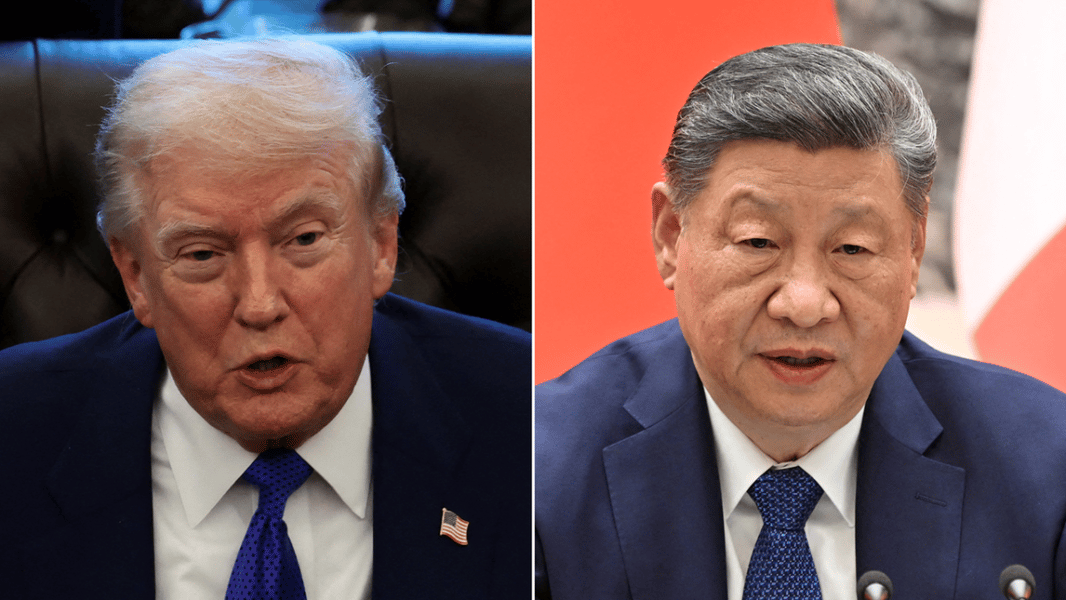
China has warned it could cancel the planned September 24 summit between President Donald Trump and President Xi Jinping if Washington approves new arms sales to Taiwan, Kyodo News reported. Beijing views Taiwan as a "red line" and claims the self-governing island as its own territory, while the United States provides weapons to support Taiwan's defense under the Taiwan Relations Act.
The threat puts months of diplomatic work at risk and could derail talks on tariffs, trade, and artificial intelligence safety. Trump has viewed the summit as a chance to show diplomatic progress, while both governments want to preserve a broader trade truce amid rising tensions in the Taiwan Strait.
Trump's $11 Billion Arms Package Sparked Beijing's Anger
The Trump administration announced an unprecedented $11 billion weapons package for Taiwan in December, drawing an angry reaction from Beijing. A separate $14 billion arms sale was reportedly paused in May so the United States could ensure it had enough weapons for its conflict with Iran.
Xi Warned Trump That Taiwan Is the Deepest Issue
During their mid-May meeting in Beijing, Xi Jinping told President Trump that Taiwan was the "most important issue" in bilateral relations. Xi warned that mishandling Taiwan could lead to open conflict between the two powers.
China's Military Pressure Around Taiwan Keeps Climbing
China's military activity has intensified sharply. In July, Beijing conducted its first intercontinental ballistic missile test over the Pacific since 2024, raising concerns about a possible invasion of Taiwan and a wider regional conflict. The test signaled Beijing's growing military confidence and willingness to demonstrate its capabilities near U.S. allies.
Trump Views Taiwan Arms Sales as Negotiating Leverage
President Trump has described potential U.S. arms sales to Taiwan as "a very good negotiating chip" in dealings with China. This position has raised questions about Washington's longstanding security commitments to Taiwan and other Asian partners who depend on U.S. protection.
Sentiment
Mostly NegativeNEGATIVENEUTRALPOSITIVE
Publishers
26
Articles
55
Reach
81
A
AnonymousAuthor


