Police Deploy AI Across Jurisdictions Amid Regulatory Gaps
Police Deploy AI Across Jurisdictions Amid Regulatory Gaps
Anonymous
Key Points
1
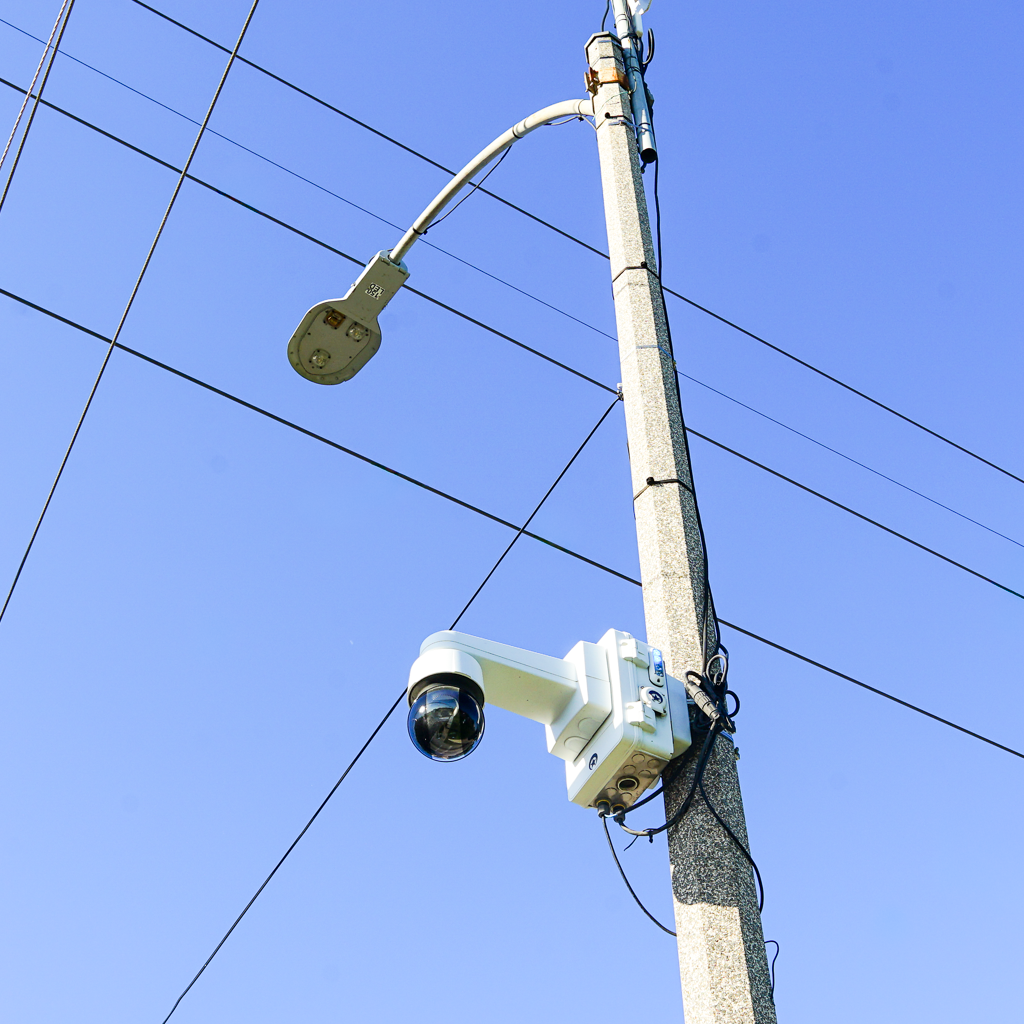
In Cape May County, police used AI to revisit the decades-old disappearance of an 11-year-old boy, while Trenton has expanded a network of AI-powered surveillance cameras and departments in Mount Holly and Eastampton use AI to draft incident reports.
2
Trenton Mayor Reed Gusciora credited the city’s surveillance system with reducing murders fivefold since 2020, saying, “I have a bigger fear of getting shot” and that he would “take my chances with the cameras.”
3
Boston police obtained access to the LifeRaft platform in June; the software can scrape public social-media data and run searches by keywords, geography, names, phone numbers and social-media handles.
4
Boston’s current social-media monitoring effort follows the department’s abandonment of a planned $1.4 million monitoring tool nearly a decade ago after civil-rights and religious groups raised concerns about racial profiling.
5
In Cape Town’s Philippi East, AI-backed surveillance and facial recognition have been used in a pilot program, with results scheduled for release the following month; security experts emphasized that the technology must be matched by response infrastructure and trained personnel.
Police departments across the US are deploying artificial intelligence for surveillance, facial recognition, and report writing faster than regulators can create safeguards. Axios reports that industry players and policy makers are scrambling to regulate AI in law enforcement, yet many jurisdictions lack clear rules for how the technology should work. In New Jersey alone, departments use AI to scan social media, monitor crime scenes with camera networks, and draft police reports — all without a statewide strategy governing their use.
Civil-rights advocates worry that these systems are unproven, expensive, and could invade privacy or enable racial bias. Meanwhile, supporters say AI can reduce crime and boost efficiency. The gap between deployment speed and regulatory oversight has left cities like Boston and Trenton experimenting with powerful tools before answering basic questions: Do they actually work? Are they fair? Who watches the watchers?
New Jersey Pushes Forward Without State Guidelines
New Jersey police are rolling out AI systems across multiple departments despite the absence of statewide oversight. In Cape May County, officers used AI to revisit a decades-old case of an 11-year-old boy who disappeared. Trenton has expanded its network of AI-powered surveillance cameras throughout the city. Mount Holly and Eastampton police now use AI to automatically draft incident reports, saving officer time but raising questions about accuracy and bias.
Trenton Mayor Reed Gusciora has become an AI advocate, crediting the city's surveillance system with cutting murders fivefold since 2020. He said, cite"I have a bigger fear of getting shot" than of camera surveillance, and would "take my chances with the cameras."cite Yet even as murders fell, civil-rights groups asked whether the reduction came from better policing or simply from the AI systems themselves.
Boston's Social-Media Scanning Raises Privacy Questions
Boston police gained access to the LifeRaft platform in June, software that scrapes public social-media data and searches by keywords, geography, names, phone numbers, and handles. The tool can identify potential threats and investigate leads — but city councilors say the police department should have disclosed the technology first and proven it improves safety without targeting people for their speech or political views.
This is not Boston's first brush with social-media monitoring controversy. Nearly a decade ago, the department abandoned a planned $1.4 million surveillance tool after civil-rights and religious groups raised concerns about racial profiling. The quick adoption of LifeRaft suggests those earlier warnings have been forgotten or ignored.
South Africa Warns of AI Without Proper Safeguards
Security experts in South Africa are sounding alarm bells about AI surveillance rolled out without the necessary human support systems. In Cape Town's Philippi East neighborhood, AI-backed surveillance and facial recognition have been tested in a pilot program, with results scheduled for release soon. Experts say the technology alone cannot prevent crime effectively.
cite"AI can strengthen crime prevention only when paired with trained personnel, effective response systems and clear oversight,"cite security experts warned. Without those elements, AI cameras become expensive decoration. The lesson applies globally: technology spreads faster than the people and processes needed to use it wisely.
The Race Between Innovation and Regulation
Motorola Solutions is investing $1.5 billion in AI-powered public safety products, signaling that the private sector expects rapid growth in police AI sales. Motorola executive Mahesh Saptharishi highlighted the company's commitment to the space. But as companies roll out tools, regulators struggle to catch up. Axios reports that the White House is exploring who should serve as third-party evaluators for AI systems — a question with no clear answer yet.
The result is a gap between deployment and accountability. Police departments gain powerful tools without comprehensive training, oversight rules, or proof the tools work as promised. Civil-rights advocates say taxpayers are funding experiments with unproven technology that could enable discrimination. Supporters counter that AI offers real public safety benefits. Until regulations catch up, that debate will play out one city at a time.
Sentiment
Mostly NegativeNEGATIVENEUTRALPOSITIVE
Publishers
17
Articles
23
Reach
40
A
AnonymousAuthor


