Surveillance Privacy Debate
Surveillance Technology Expands Amid Growing Privacy Scrutiny And Bias Allegations
Anonymous
Key Points
1
Las Cruces’ Flock transparency portal reports the number of cameras in use, searches conducted during the previous 30 days and “hotlist hits”—automatic alerts generated when a monitored vehicle matches a law-enforcement watchlist.
2
Las Cruces Police Lt. Peter Bradley publicly demonstrated the department’s Flock system, including its search protocols, data-retention policies and prohibited uses, as part of an effort to address privacy concerns and correct what Chief Jeremy Story called inaccurate claims about the technology.
3
The driver-monitoring controversy extends beyond drowsiness alerts: some systems also record braking force, acceleration and cornering, and insurers have used driver-safety profiles to justify higher premiums.
4
Reports of possible eye-detection errors have also emerged among drivers of Chinese-made XPeng vehicles; one blogger said the system repeatedly marked him as distracted and deducted points from a 100-point “smart driving” score despite his saying he was awake.
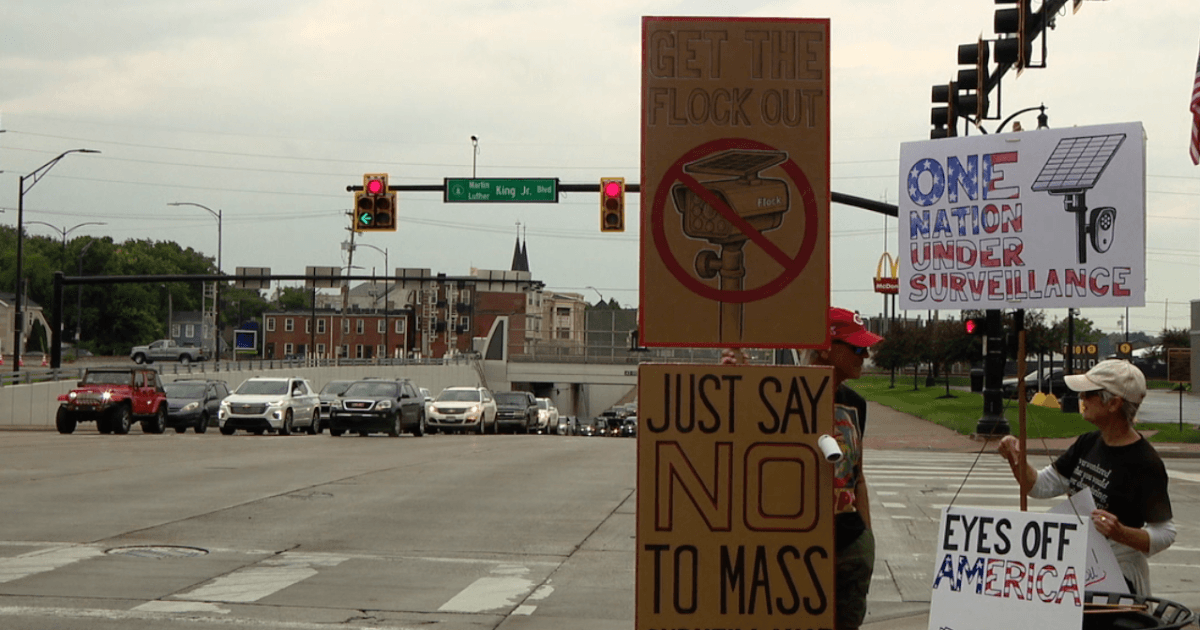
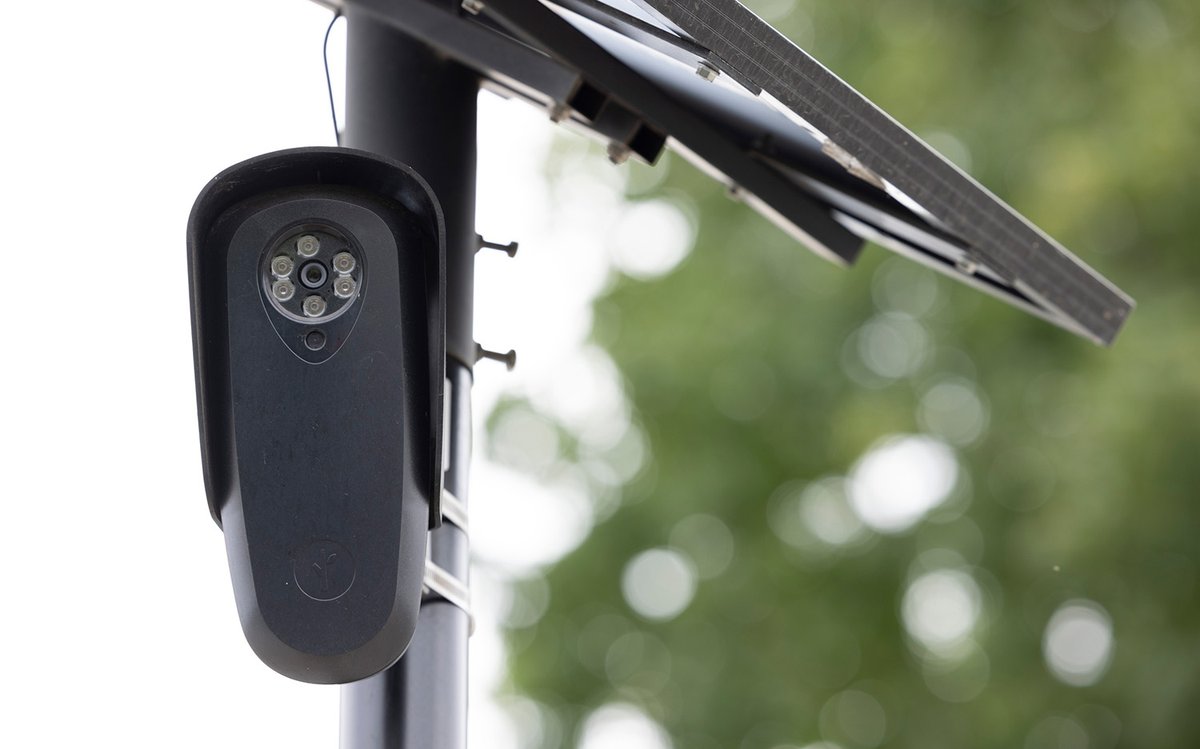
Law enforcement agencies are rapidly expanding surveillance tools like license-plate cameras and AI-powered monitoring systems, even as privacy advocates demand stronger safeguards and audits. PCMag reports that Flock Safety cameras—which track vehicles across communities—are now drawing organized pushback in San Francisco, where activist group De-Flock-SF is mapping roughly 400 devices and seeking policy limits after federal agencies accessed the data without clear oversight.
Police departments defend the technology as essential for public safety. Las Cruces Police launched a transparency portal showing camera locations, search numbers and automatic alerts, while investigators credited license-plate readers with helping solve the Brown University shooting case by narrowing vehicle descriptions and locating a suspected gunman.
Flock Cameras Spark Privacy Battles Across Cities
San Francisco's De-Flock-SF has documented roughly 400 Flock cameras and is demanding audits and access restrictions after learning federal agents searched the database without clear rules. Shepherd Express reports Milwaukee residents called for ending the city's Flock contract entirely, arguing the system enables "mass surveillance" without warrants or public consent.
A Security Today analysis of over 131,000 mapped Flock cameras found demographic and economic patterns in deployment—suggesting some neighborhoods face heavier surveillance than others. ACLU of Indiana notes that Flock cameras record license plates and create searchable databases, raising concerns about who can access that data and how long it's stored.
Police Highlight Technology's Crime-Solving Power
Las Cruces Police Lt. Peter Bradley publicly demonstrated how Flock works, showing search protocols and data-retention policies to address privacy claims. Chief Jeremy Story said the department corrected "inaccurate claims" about the technology. Las Cruces publishes monthly data: camera counts, searches in the past 30 days, and "hotlist hits"—automatic alerts when a monitored vehicle matches a law-enforcement watchlist.
The Brown University shooting investigation showed Flock's investigative value: automated readers helped narrow a vehicle description and locate the suspected gunman. Gazette Extra reports that Wisconsin law enforcement also uses Flock to find stolen vehicles and wanted people, though the cameras have sparked vandalism and controversy in some communities.
Driver-Monitoring Systems Face Racial-Bias Allegations
Insurance companies are deploying cameras inside vehicles that monitor driver behavior, but critics say some systems misidentify Asian drivers as drowsy or distracted. The devices also record braking force, acceleration and cornering patterns—data insurers use to justify higher premiums based on "driver-safety profiles."
Chinese-made XPeng vehicles equipped with eye-detection systems have generated complaints: one blogger reported the system repeatedly flagged him as distracted and deducted points from a 100-point "smart driving" score even when he said he was awake. Regulators and lawmakers are now examining how biometric driving data is collected, stored and shared with third parties.
Surveillance Expansion Extends to Drones and AI Detection
Providence launched a "drone-as-first-responder" program after officers avoided a dangerous vehicle pursuit. Thailand's Tourist Police are developing a Phuket pilot combining drones, 3D mapping and AI to monitor crowds, detect incidents, read license plates and support rescues. Vietnamese traffic authorities are combining digital awareness campaigns with grassroots outreach, though uneven infrastructure and difficulty measuring results complicate rollout.
Consumer demand for counter-surveillance devices is also rising. Companies are marketing products to detect hidden cameras, GPS trackers and listening devices, though claims and effectiveness vary widely. Privacy advocates warn that as surveillance tools proliferate, clear policies on data access, retention and use become increasingly urgent.
Sentiment
Mostly NegativeNEGATIVENEUTRALPOSITIVE
Publishers
47
Articles
17
Reach
64
A
AnonymousAuthor