Historic Teqball Medal
Lee Jun-seok reaches the teqball final to secure South Korea's first Asian Games medal.
Anonymous
Key Points
1
Lee Jun-seok said the semifinal victory renewed his motivation to continue competing: “I want to win the gold medal in tomorrow’s final to raise the profile of teqball and to build a foundation so that our athletes can continue their careers without worry.” He had quit his job to train full time for the Asian Games.
2
Lee’s semifinal began with him trailing 0-4, but he leveled the first set at 4-4 and then opened a 10-6 lead before winning 12-10.
3
South Korea’s teqball squad consists entirely of amateur players, and fewer than 20 people participated in the national-team selection process, underscoring the sport’s limited competitive base in the country.
4
The Korean mixed-doubles team of Kim Eun-jun and Jang Eun-seo was eliminated in the group stage, while the men’s-doubles pairing of Lee Jun-seok and Lee Tae-bin was knocked out in the repechage.
5
Teqball’s scoring format includes a special tiebreak provision: sets are normally won by the first player or team to reach 12 points, but the deuce rule applies only in the third set.
South Korea won its first-ever Asian Games teqball medal after national team captain Lee Jun-seok reached the men's singles final at the 2026 Aichi-Nagoya Games. AJC reports that Lee defeated Kuwait's Zaid Aidan 12-10 in the opening set of the semifinal, with Aidan withdrawing due to a left-thigh injury while trailing 3-2 in the second set. Lee will face Iraq's Ali Jalil Mezher Alelayawi for gold on the final day of competition.
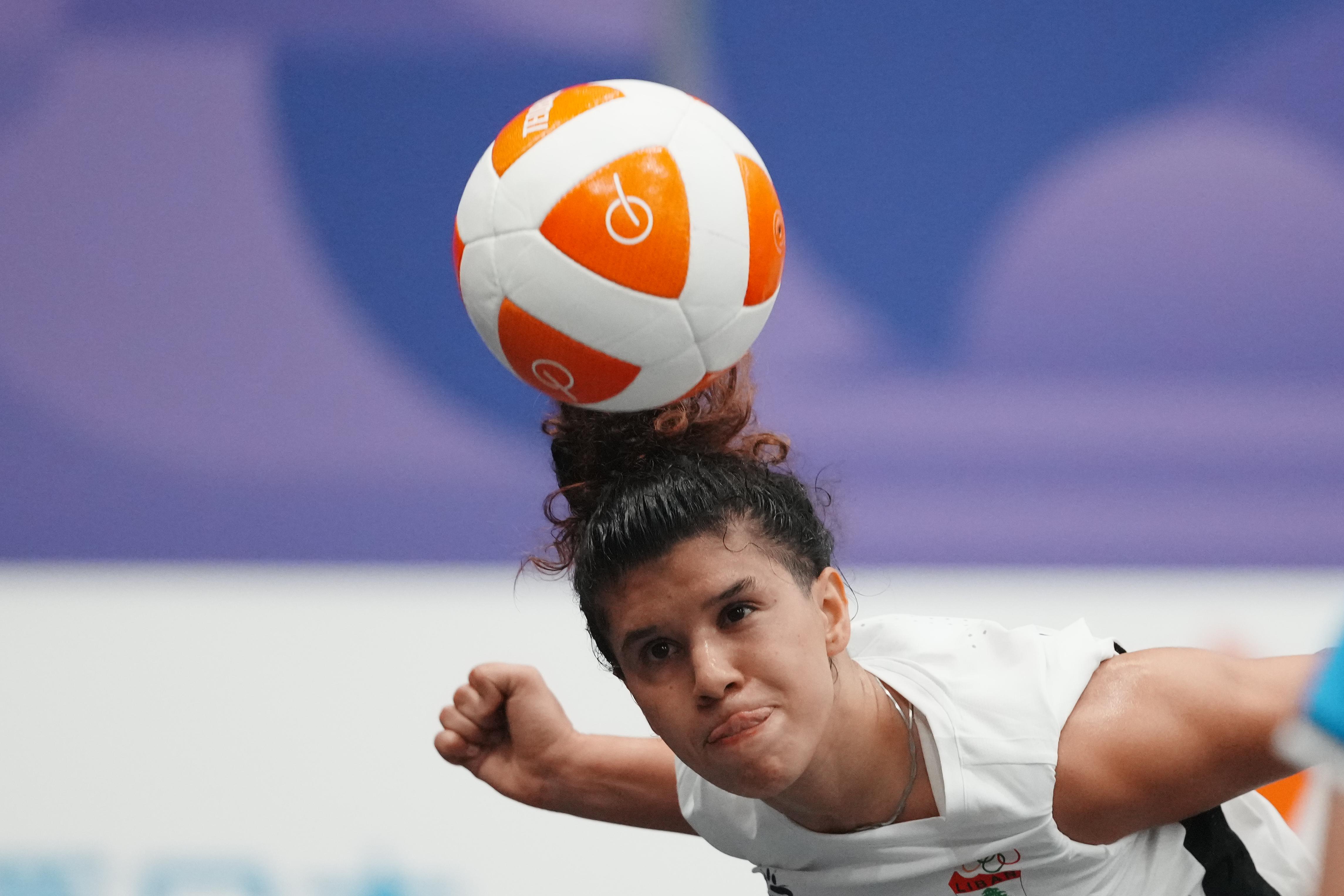
Teqball makes its debut as an official Asian Games sport this year. River Bender explains the sport combines soccer and table tennis, using a curved table where players return the ball with limited touches and cannot use their hands or arms. Lee quit his job to train full time for these games, saying he wants to win gold 'to raise the profile of teqball and to build a foundation so that our athletes can continue their careers without worry.'
Lee's Unbeaten Run Through Group Play
Lee entered the semifinal undefeated after winning all group-stage matches. He faced Kyrgyzstan's Kudaiberdi Aidarbekov in the quarterfinals and advanced with a straight-set victory. Go Skagit noted that Lee's path to the final showed steady improvement and consistency against international competition at the games.
Comeback Victory From 0-4 Down
The semifinal became a dramatic turnaround. Idaho State Journal reports Lee trailed 0-4 early but leveled the first set at 4-4. He then built a commanding 10-6 lead before clinching 12-10. Aidan's injury withdrawal in the second set prevented a full match, but Lee had already proven his ability to fight back against deficit play.
South Korea's Limited Teqball Infrastructure
South Korea's entire teqball squad consists of amateur players with minimal institutional support. HJ News reports fewer than 20 people participated in the national-team selection process, underscoring how new the sport is to the country. The mixed-doubles pair of Kim Eun-jun and Jang Eun-seo was eliminated in group play, while the men's-doubles team of Lee Jun-seok and Lee Tae-bin fell in repechage rounds.
Gold Medal Bid Against Iraq Tomorrow
Lee will compete for gold against Iraq's Ali Jalil Mezher Alelayawi in the final. The match format favors the first player to reach 12 points per set, with deuce rules applying only in a potential third set. Lee's motivation is clear: to become South Korea's first teqball gold medalist and demonstrate the sport's growing competitive potential in the country.
Sentiment
Mostly PositiveNEGATIVENEUTRALPOSITIVE
Publishers
20
Articles
48
Reach
68
A
AnonymousAuthor