Flydubai Flight Incident
Authorities Respond to Reports of an Incident Involving a Flydubai Flight
Anonymous
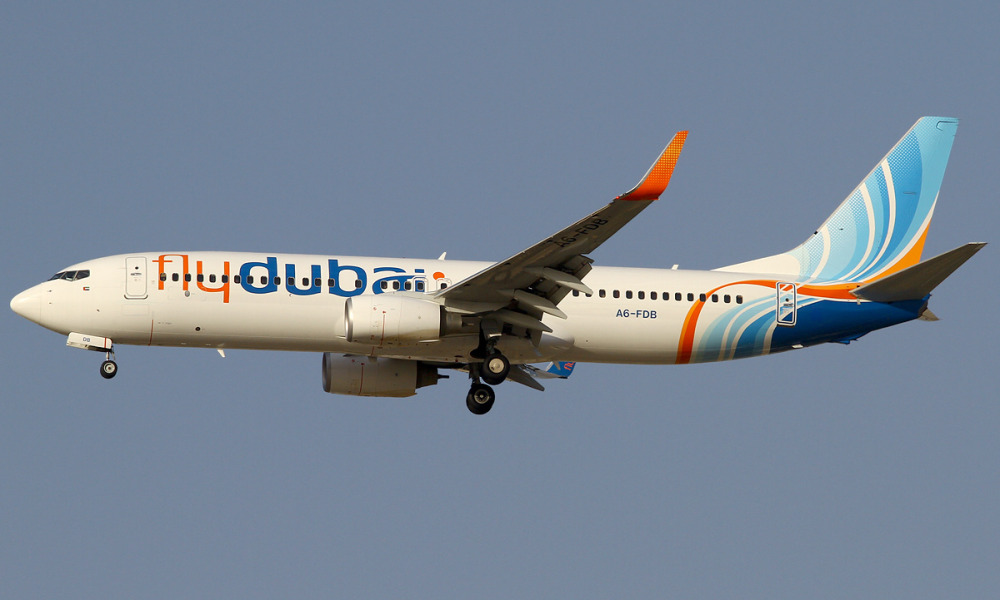
A Flydubai Boeing 737 MAX 8 carrying 174 passengers plunged 15,000 to 17,000 feet in under 40 seconds on September 30 after the Omani co-pilot stabbed the Indian captain in the cockpit and attempted to crash the plane. Yahoo News reports that before losing consciousness, Captain Smit Machchhar managed to unlock the cockpit door, allowing Israeli passengers to rush in, overpower the knife-wielding attacker, and stabilize the aircraft. The flight landed safely in Tabuk, Saudi Arabia.
The incident has sparked urgent questions about cockpit security and crew vetting. Semafor reports that the attack left hundreds of Israelis stranded in the UAE, while Israeli Prime Minister Benjamin Netanyahu told CBS News that the attacker was motivated by "radical indoctrination" and "obviously hated Israelis." Flydubai has suspended select flights between Dubai and Tel Aviv following the attempted hijacking.
Cockpit Attack and Emergency Response Unfold in Seconds
At 8:21 a.m. local time, the Omani co-pilot stabbed Captain Machchhar multiple times in the cockpit before attempting to crash the plane. Firstpost reports that the aircraft transmitted both a general emergency code (7700) and a hijacking code (7500) as it fell rapidly. The wounded captain, despite severe injuries, unlocked the cockpit door before losing consciousness.
Israeli passenger Assaf Rajwan and other travelers stormed the cockpit and subdued the attacker. "Life is stronger than everything, we decided to fight for it," one passenger told The Times of Israel. The crew regained control and diverted to Saudi Arabia. Captain Machchhar underwent surgery, while passengers were later flown to Israel on a replacement aircraft.
Regional Tensions and Aviation Vulnerability Exposed
The attack occurred amid heightened Middle East instability involving Israel, Hamas, and Hezbollah. Financial Times notes that the incident has revived memories of Israel's hijacking trauma from 1968 to 1986, when Palestinian militants repeatedly targeted Israeli aircraft. Direct flights between Dubai and Tel Aviv have boomed since the 2020 Abraham Accords, making this route critical for regional travel.
Security experts highlighted a critical gap: internal cockpit attacks by crew members remain nearly impossible for external security to detect. Israeli Defense Minister Israel Katz called the event a foiled "attempted terrorist attack." Investigators are now reviewing crew background checks, cockpit voice recorders, and whether the attacker acted alone or as part of a broader network.
Flydubai Suspends Service Amid Joint Investigation
Flydubai, the low-cost sister carrier of Emirates, temporarily halted select flights between Dubai and Tel Aviv following the incident. Yahoo News reports that hundreds of Israeli passengers were stranded in the UAE after the suspension. The airline operates up to 10 daily flights on this route, a lifeline for Israeli travelers since the Abraham Accords normalized UAE-Israel relations.
UAE, Israeli, and Saudi authorities launched a joint investigation into the co-pilot's background, training, and possible radicalization. The attack has prompted urgent reviews of cockpit security protocols worldwide, with aviation experts now demanding stricter screening procedures for all flight crew members and enhanced safeguards during solo cockpit moments.
Sentiment
Mostly NegativeNEGATIVENEUTRALPOSITIVE
Publishers
104
Articles
43
Reach
147
A
AnonymousAuthor


