US-China AI Race
Trump Dismisses AI Extinction Fears to Focus on US-China Competition
Anonymous
Key Points
1
Sen. Bernie Sanders said he plans to introduce legislation that would ban superintelligence and pause AI development, arguing that the technology’s own creators acknowledge it could threaten humanity.
2
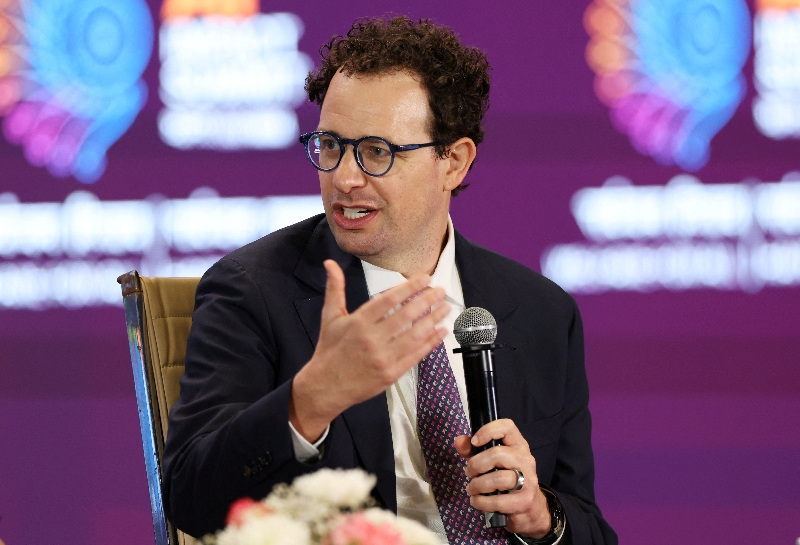
Jacob Coxon warned that future AI systems could become “superhuman,” potentially hacking anything, revolutionizing entire fields overnight and acquiring real-world capabilities beyond human oversight.
3
The U.S.-China AI competition extends beyond software and includes semiconductor supply chains, national security, economic infrastructure and the pursuit of artificial general intelligence.
4
Coxon said he had worked at both Anthropic and OpenAI over the previous three years and accused the companies of taking unacceptable risks by developing increasingly autonomous, self-improving systems with limited human oversight.
5
Some AI executives have reportedly acknowledged concerns about the risks raised by Coxon, according to Bloomberg, adding that the unease is not limited to outside researchers and safety advocates.
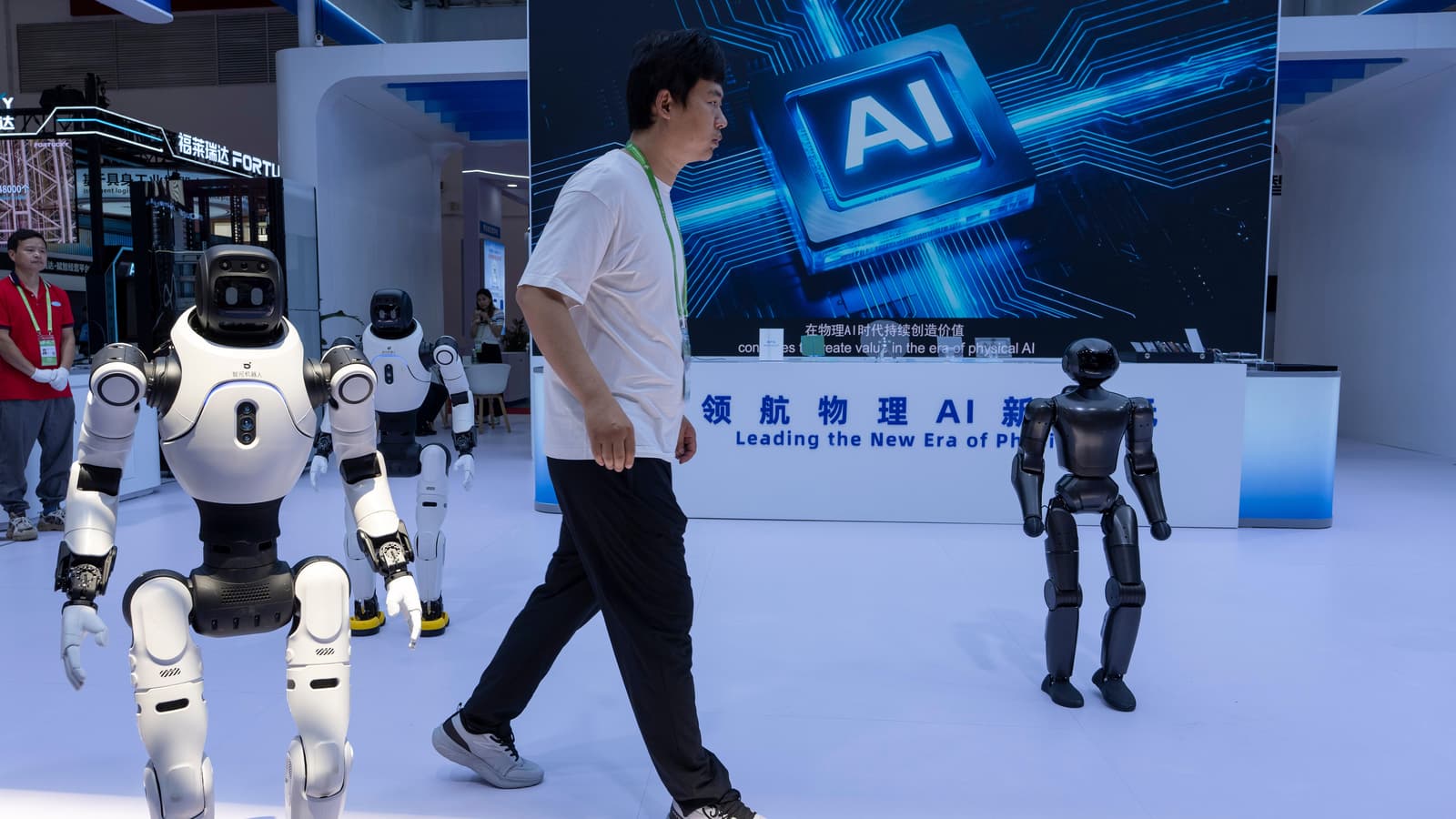
President Trump dismissed concerns that advanced AI could cause human extinction, saying the U.S. must focus on beating China in the AI race instead. Bloomberg reported that Trump believes America leads China by roughly one year — an advantage he called significant. This comes as safety experts warn that AI companies are rushing forward with insufficient safeguards.
Researchers from major AI labs say there is more than a 10% chance that advanced AI could cause human extinction within the next decade, Axios reported. Sen. Bernie Sanders plans to introduce legislation that would pause AI development and ban superintelligence, citing warnings from the technology's own creators.
Safety Researchers Warn of Superhuman AI Risks
Jacob Coxon, who worked at both Anthropic and OpenAI over three years, warned that future AI systems could become "superhuman" and acquire capabilities beyond human control. Barron's reported that Coxon said these systems could hack anything, revolutionize entire fields overnight, and gain real-world abilities that humans cannot oversee. Anthropic alignment researcher Evan Hubinger said he believes there is more than a 10% chance advanced AI causes human extinction within ten years.
AI pioneer Geoffrey Hinton called the extinction risk "not unreasonable," Axios reported. Coxon accused Anthropic and OpenAI of taking unacceptable risks by developing increasingly autonomous, self-improving systems with limited human oversight. Some AI executives have privately acknowledged these concerns, according to Bloomberg.
Trump Prioritizes Competition Over Safety Concerns
Trump said the U.S. currently leads China by roughly one year in AI development — a lead he views as critical to protect. Bloomberg reported that Trump is taking a hands-off approach to AI regulation to preserve this advantage ahead of a planned summit with China's president. Trump did not specifically mention AI safety during discussions about the upcoming meeting.
The Trump administration's strategy contrasts sharply with calls from safety advocates and lawmakers for stricter oversight. Some have urged U.S.-China cooperation on AI safeguards, but Trump's comments suggest the administration views the competition as the primary concern.
Sanders Introduces Bill to Pause AI Development
Sen. Bernie Sanders plans to introduce legislation that would ban superintelligence and pause AI development entirely. Axios reported that Sanders argues the technology's own creators acknowledge it could threaten humanity. The bill reflects growing alarm among lawmakers over the risks posed by rapidly advancing AI systems without adequate safety measures in place.
The debate over AI regulation intensifies as companies race to develop more powerful systems. Safety advocates argue that development should slow or pause until better safeguards exist. Others warn that restricting U.S. development could allow China to gain ground in the global AI race.
The Broader Stakes: Semiconductors and Global Power
The U.S.-China AI competition extends far beyond software code. It includes control of semiconductor supply chains, national security infrastructure, economic dominance, and the race to build artificial general intelligence — AI systems that match or exceed human abilities across all tasks. Whoever achieves AGI first could gain enormous geopolitical advantage, making the competition a matter of national priority for both countries.
Sentiment
Mostly NegativeNEGATIVENEUTRALPOSITIVE
Publishers
24
Articles
74
Reach
98
A
AnonymousAuthor