African Gold Rush Drives Mining Expansion
African Gold Rush Drives Mining Expansion
Anonymous
Key Points
1
Fortuna Mining CEO Jorge Ganoza said the company manages geopolitical exposure by maintaining a diversified portfolio across different jurisdictions in West Africa and Latin America and reallocating capital as investment conditions change.
2
At Fortuna’s Bambadji gold project, Ganoza identified competition for skilled workers, contractors and equipment as among the most immediate development risks, potentially outweighing security concerns.
3
Under Tanzania’s Mining Act and land legislation, a mining licence does not automatically provide surface-occupation rights; statutory compensation is owed to existing occupants, with valuations conducted by a district valuer and an authorised land officer. The process cannot be accelerated by paying a premium for the licence.
4
Zambia plans to make proof of safety training a licensing requirement for gold-mining cooperatives. Training has already taken place in Solwezi, Mufumbwe and Mpika, with similar programmes under way in Kabwe.
5
Zambia’s Kikonge project has completed about 80% of its main access road, while dam construction is expected to begin soon; cooperatives from Mufumbwe and Kasempa have asked the government to give local applicants priority when allocating mining tenements.
Africa is experiencing a mining boom as gold prices remain elevated, drawing investment across West Africa and into Tanzania, Zambia and other Southern African nations. But developers face intense competition for skilled workers and equipment, along with complex land rights and regulatory hurdles that can delay projects by months. Fortuna Mining CEO Jorge Ganoza noted that while West Africa offers faster permitting than many regions, securing the right talent and contractors has become the biggest challenge facing new mines.
The gold rush is also triggering grassroots change. Zambia is formalizing its artisanal mining sector through licensing, safety training, and traceability systems, while local cooperatives are demanding priority access to new mining tenements. Meanwhile, Tanzania's strict land compensation rules mean developers cannot rush surface rights acquisition—a lesson that Lake Victoria Gold is learning as it begins the valuation process for its Ngula 1 project.
West Africa Pulls Investment Despite Geopolitical Risk
High gold prices are making West Africa's mining projects attractive to global investors, even as security concerns persist across the region. Fortuna Mining operates multiple sites across West Africa and Latin America, allowing it to shift capital between jurisdictions if conditions deteriorate. Ganoza explained that the company manages risk by staying diversified rather than betting everything on a single country or region.
At Fortuna's Bambadji gold project, the immediate bottleneck is not security threats but rather finding enough skilled workers, experienced contractors, and specialized equipment. The company competes with other mining operations for these scarce resources, and delays in securing teams can push back construction schedules by weeks or months—potentially costing millions in lost time.
Tanzania's Land Laws Force Developers to Slow Down
Tanzania's mining and land legislation creates a major hurdle that developers cannot shortcut: a mining license does not automatically grant surface rights. Existing occupants must be compensated, with valuations conducted by a district valuer and an authorized land officer. Lake Victoria Gold's Ngula 1 project is now working through this mandatory process, which cannot be accelerated even if the company offers to pay a premium.
This legal requirement often surprises foreign mining companies accustomed to faster permitting elsewhere. The compensation process adds months to development timelines and can determine whether a project stays competitive. For Lake Victoria Gold, getting this step right is crucial to meeting construction deadlines and controlling costs on the Ngula 1 mine.
Zambia Formalizes Artisanal Mining to Boost Tax Revenue
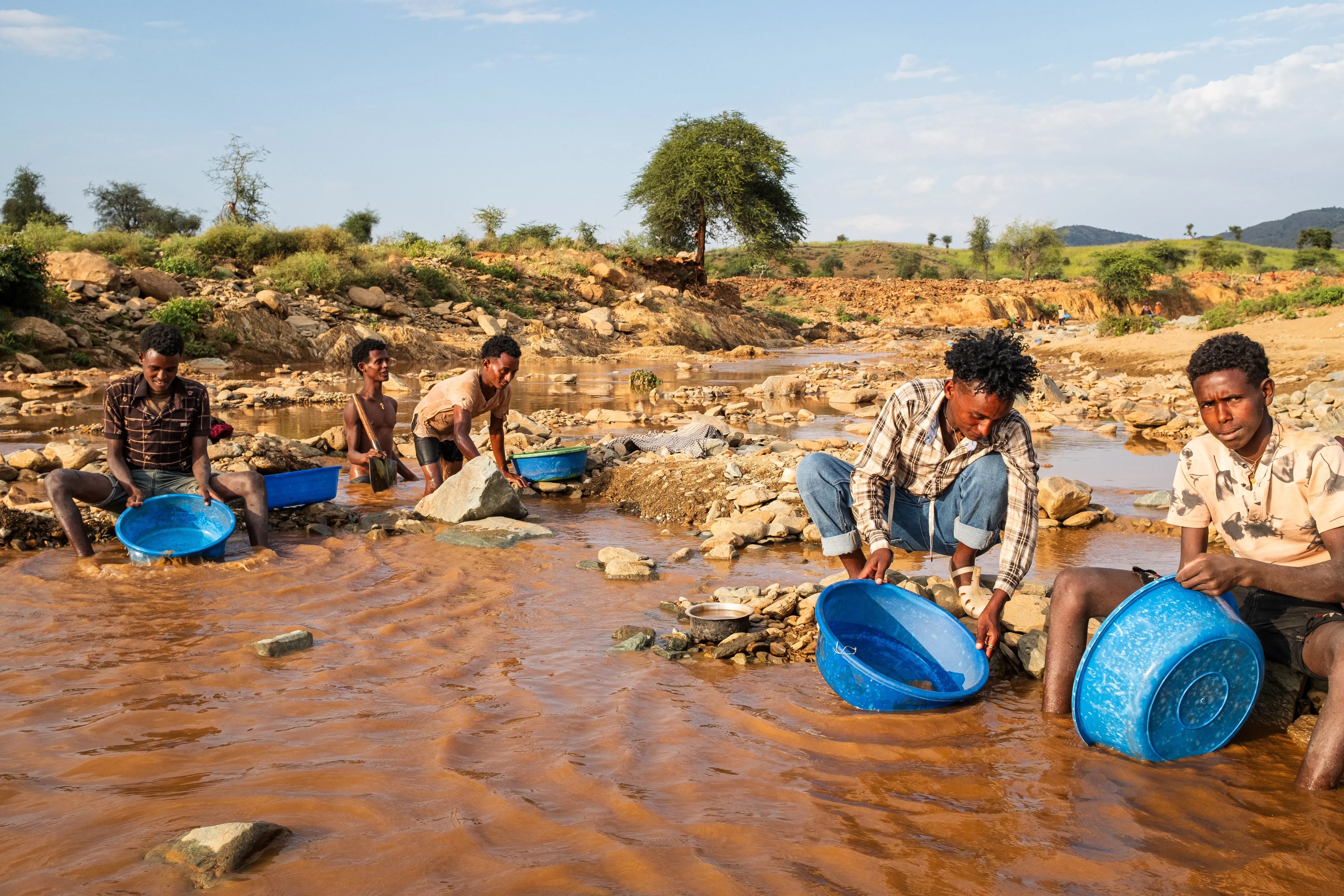
Zambia is cracking down on illegal artisanal gold mining by creating a formal pathway into the legal sector. The government now requires safety training as a licensing condition for mining cooperatives. Training programs have already run in Solwezi, Mufumbwe, and Mpika, with more planned for Kabwe. This approach brings miners into the formal economy where their output can be taxed and traced.
Local mining cooperatives are also pushing back, demanding priority when the government allocates new mining tenements. Cooperatives from Mufumbwe and Kasempa have formally requested that local applicants get first consideration. Meanwhile, the Kikonge mining project is advancing—with about 80% of its main access road complete and dam construction expected to begin soon—positioning Zambia as a major producer.
Talent and Equipment Emerge as the Real Bottleneck
As mining operations expand across Africa, developers are discovering that geopolitical risk and permitting delays are only part of the puzzle. Finding enough experienced mining engineers, equipment operators, and specialized contractors is now the constraint that most directly threatens project schedules. Ganoza highlighted this challenge as outweighing security concerns at Fortuna's West African mines.
This talent crunch pushes up wages and contractor fees across the region. Mining companies are competing fiercely for the same pool of skilled workers, and whoever signs contracts first gets the best teams. For developers trying to stay on schedule and on budget, this competition for human resources is often more damaging than a few weeks of political uncertainty.
Sentiment
Mostly NegativeNEGATIVENEUTRALPOSITIVE
Publishers
18
Articles
3
Reach
21
A
AnonymousAuthor


