Failed Satellite Rescue
Private rescue satellite approaches NASA's doomed telescope before abandoning mission due to fuel
Anonymous
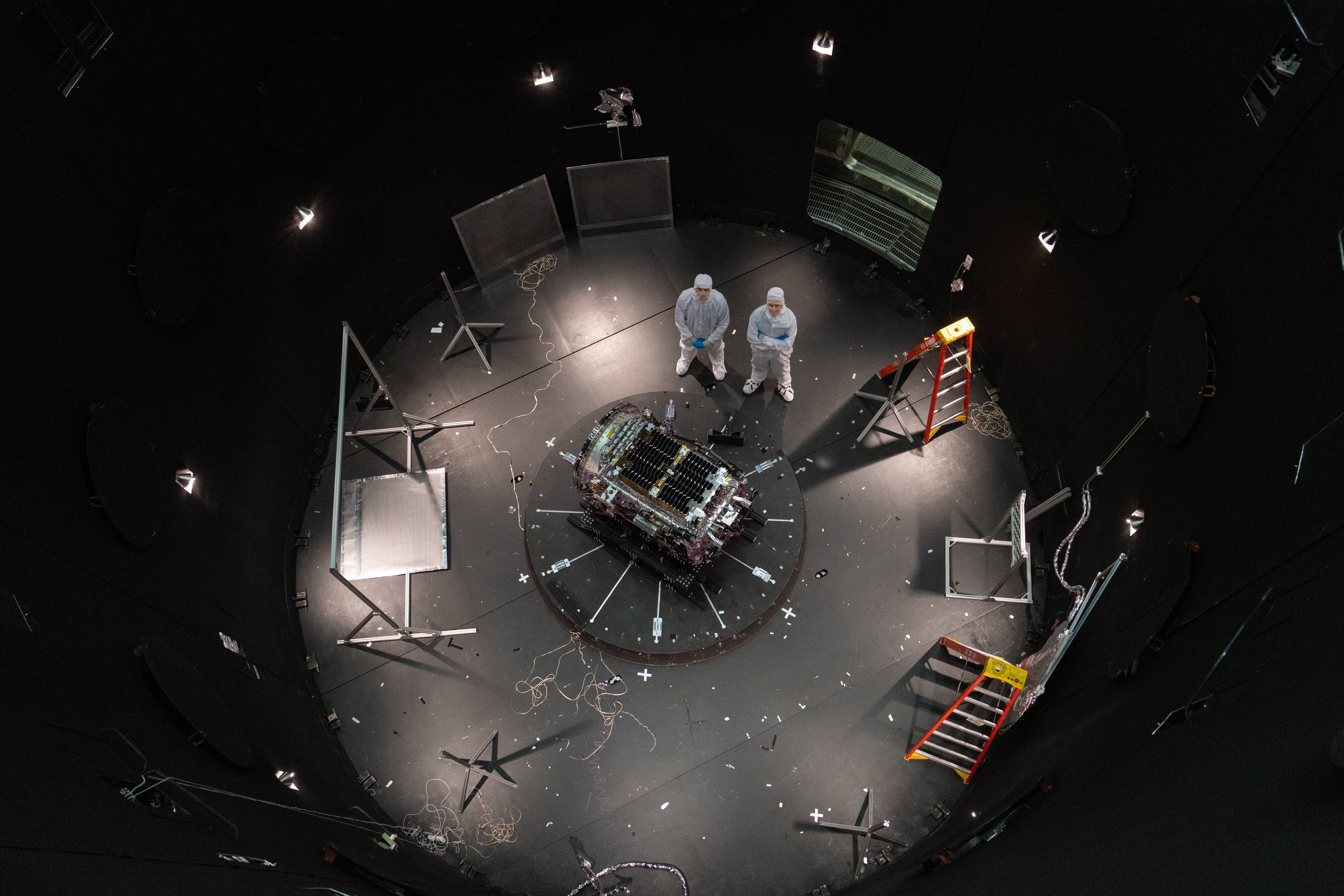
A private rescue spacecraft came within nine miles of NASA's failing Swift Observatory but had to turn back due to low fuel. KTAR reported that Katalyst Space Technologies' robotic salvager, Link, was supposed to boost the 36-year-old telescope to a longer orbit and keep it working. Instead, the mission was abandoned a week after launch due to technical delays and fuel constraints.
The close approach wasn't a total loss. Link managed to photograph the doomed telescope and gather sensor data before leaving. Winnipeg Free Press noted that Katalyst CEO Ghonhee Lee blamed the failure on rushing the spacecraft to launch and using available parts meant for future satellite repair missions.
Why Swift Observatory Needs Saving
The Swift Observatory has orbited Earth for 20 years, but its altitude keeps dropping. San Francisco Chronicle explained that without a boost, the telescope will eventually reenter the atmosphere and burn up. NASA hoped Link could extend its life by pushing it to a higher, more stable orbit.
Link Got Close But Ran Out of Fuel
Link launched with a critical mission: rendezvous with Swift and provide a lifeline. Newsday reported that the three-armed robotic salvager made it within nine miles of the target. However, fuel ran out before Link could perform the actual rescue maneuver to boost the telescope upward.
Katalyst CEO Lee explained the setback. Las Vegas Sun reported that Lee blamed the delay on the rush to get Link flying and the need to use available parts for future satellite service missions. This meant Link launched without enough fuel reserves for the full rescue operation.
Data Gathered Before the Mission Failed
Even though Link couldn't save Swift, the close approach wasn't worthless. Oskaloosa noted that Link snapped pictures of the doomed telescope using its own sensors to gather critical data for NASA. This information helps engineers understand the telescope's condition and may inform future rescue attempts.
Katalyst Plans Next-Generation Rescue Spacecraft
The failed mission won't stop private space salvage efforts. News4Jax reported that Katalyst is developing a next-generation spacecraft designed to boost older telescopes like Hubble to longer-lasting orbits. The company learned lessons from Link's shortcomings and plans a better-equipped follow-up.
Sentiment
NeutralNEGATIVENEUTRALPOSITIVE
Publishers
19
Articles
18
Reach
19
A
AnonymousAuthor


