Growing Space Debris Threat
Discarded SpaceX Rocket Set to Impact Moon at High Speed, Raising Space Junk Concerns
Anonymous
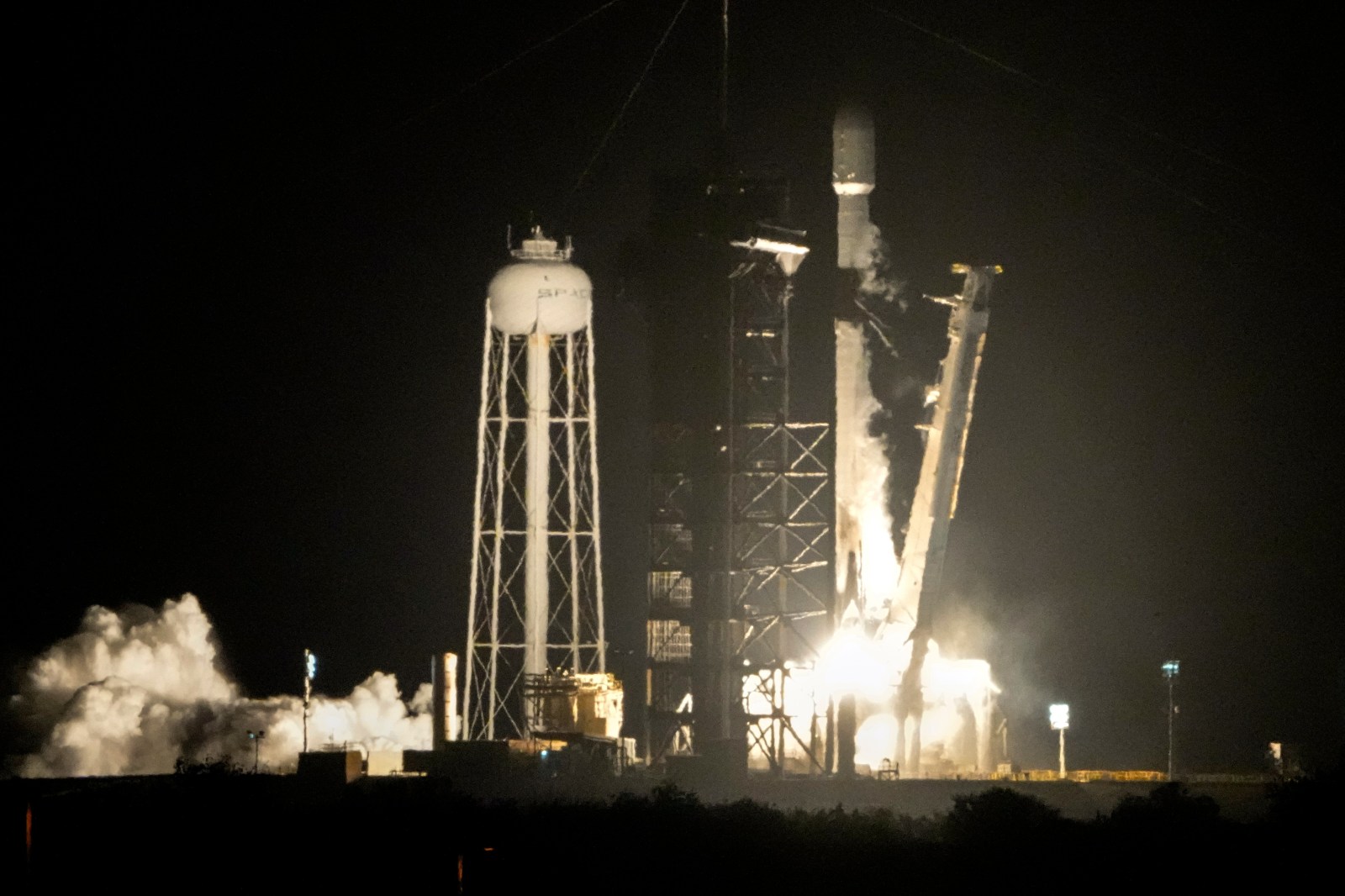
A discarded SpaceX rocket stage is hurtling toward the moon and will crash into it at 5,400 mph — about seven times the speed of sound — according to AP News. The upper stage, left over from a mission that launched two lunar landers more than a year ago, will slam into the moon's surface near Einstein Crater on the sunlit western limb.
The crash will carve out a new crater and blast a plume of dust and debris into space, according to AP News. Space tracking expert Bill Gray first predicted the collision. The impact cannot be stopped — and experts say it did not have to happen this way.
How a Rocket Stage Got Lost in Deep Space
After launching its payload over a year ago, the SpaceX Falcon 9 upper stage was left in a chaotic region of space between Earth and the moon. At that distance, the rocket had no fuel left to steer away. Ground controllers could not bring it back to burn up in Earth's atmosphere or push it into a stable orbit around the sun, according to KIRO 7.
The rocket stage has been drifting ever since, pulled by the competing gravity of Earth, the moon, and the sun. Over time, that tug-of-war made its path unpredictable. Eventually, the moon's gravity locked it onto a collision course. The impact was always a matter of when, not if.
Einstein Crater Will Take a Direct Hit at 5,400 mph
The crash site is near Einstein Crater on the western edge of the moon's near side. The rocket will strike at 5,400 mph (8,700 kph), fast enough to blast a brand-new crater into the lunar surface, according to Winnipeg Free Press. The collision will send a plume of debris shooting into the sky above the moon.
Scientists plan to study the impact and the crater it leaves behind. Crashes like this can reveal what lies beneath the moon's surface. The plume of dust may contain water ice or other materials that are normally hidden. That data could help future missions plan where to land or dig.
This Is the Second Accidental Moon Strike in Three Years
This will not be the first time a spent rocket has accidentally hit the moon. In 2022, a Chinese rocket segment crashed into the lunar far side. That was also unintentional. Before that, only controlled or planned spacecraft had struck the moon on purpose, according to Yahoo News.
The SpaceX crash marks a troubling pattern. More rockets and satellites are launching every year. Many end up in hard-to-track orbits. Experts warn that without better monitoring, more accidental crashes are likely — not just on the moon, but potentially in Earth's orbit as well.
Space Junk Problem Grows as Moon Missions Multiply
Experts say the SpaceX crash highlights a growing crisis: too much junk in space with too little tracking. Governments and companies are racing to send astronauts and robots to the moon in the coming years. Debris like this rocket stage makes that far more dangerous, according to MyNorthwest.
The collision could have been avoided. If the upper stage had been given a small nudge after launch, it could have drifted into a long orbit around the sun instead of falling toward the moon. Experts are now calling for stricter rules on how rocket stages are disposed of after missions end, according to KTAR.
Sentiment
NeutralNEGATIVENEUTRALPOSITIVE
Publishers
8
Articles
8
Reach
8
Topics
A
AnonymousAuthor


