Quebec Minority Government
Quebec Election Signals Possible Minority Government Amid Tight Five-Party Race
Anonymous
Key Points
1
The Writ’s Sept. 14 tracker put the Parti Québécois at 28.7%, ahead of the CAQ at 22.1%, the Quebec Liberals at 21.5%, the Conservative Party of Quebec at 16.1% and Québec solidaire at 10.3%.
2
The Parti Québécois estimates that preparing for and holding its proposed independence referendum would cost at least $130 million.
3
Camille-Laurin was known as Bourget until 2022, when it was renamed for former PQ MNA Camille Laurin, widely regarded as the father of Quebec’s Charter of the French Language.
4
The Camille-Laurin riding has changed political hands over time, having been represented by the Liberals, the now-defunct Union Nationale, the PQ and the CAQ rather than being a continuous PQ stronghold.
5
Community-services advocate Kevin Poitras said Camille-Laurin has become younger and more diverse since the COVID-19 pandemic, while population growth is outpacing the expansion of services available to residents.
Quebec's October 5 provincial election is shaping up as a tight five-way race, with the Parti Québécois leading at 28.7% but far from a guaranteed win The Writ. The fragmented field has made a minority government increasingly likely, meaning seat-by-seat results and televised debates could determine who governs. Housing affordability, rising rents, and cost-of-living pressures are dominating voter concerns across the province.
The PQ's proposed independence referendum—estimated to cost at least $130 million to prepare and hold—is adding a major dividing line to the campaign Parti Québécois. Undecided voters and debates will likely decide the outcome in this wide-open race.CTV News
PQ Leads Fragmented Five-Party Field
The Parti Québécois holds a clear polling edge but falls short of a commanding lead. The Writ's latest tracker shows the PQ at 28.7%, the Coalition Avenir Québec at 22.1%, Quebec Liberals at 21.5%, the Conservative Party of Quebec at 16.1%, and Québec solidaire at 10.3%. This distribution means no single party has a majority path locked in.
The tight spacing between the second-, third-, and fourth-place parties creates significant uncertainty. Swing voters and debate performance could easily reshape seat counts and coalition possibilities in key ridings.
Housing Crisis Dominates Campaign Across Communities
Housing affordability and rising rents have emerged as the top voter concern across Quebec's communities. In Montreal's Camille-Laurin riding, residents cite homelessness, insufficient services, and rapid demographic change alongside housing pressures as major issues. Latin American voters interviewed across the province expressed similar economic grievances, particularly over rent increases.
The riding itself has transformed since the COVID-19 pandemic. Community-services advocate Kevin Poitras noted that Camille-Laurin has become younger and more diverse, while population growth is outpacing the expansion of services available to residents.
Independence Referendum Becomes Campaign Flashpoint
The Parti Québécois's proposed independence referendum is reshaping the electoral debate. The PQ estimates preparing for and holding the referendum would cost at least $130 million Parti Québécois. This proposal divides voters sharply, with support for sovereignty varying significantly across communities and demographic groups.
Camille-Laurin, the PQ leader's own riding, illustrates the shifting political landscape. The riding has changed hands multiple times—held by Liberals, the now-defunct Union Nationale, the PQ, and the CAQ—rather than being a PQ stronghold. This unpredictability suggests no riding is guaranteed in October's election.
Televised Economy Debate to Shape Undecided Voters
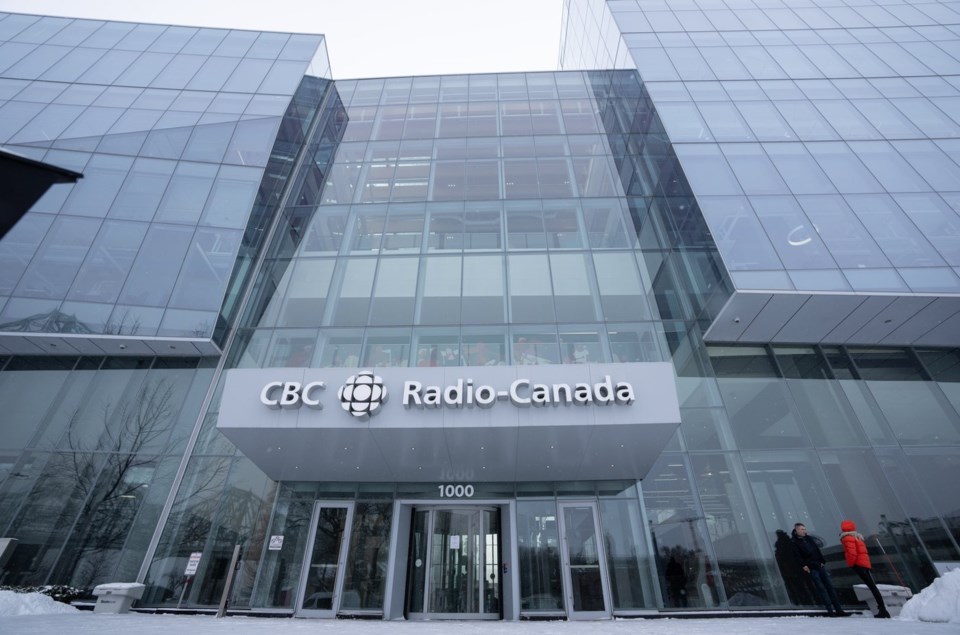
Candidates from all five major parties will participate in a televised economic debate on Radio-Canada CTV News. The debate, hosted by Gérald Fillion, will focus on American tariffs, cost of living, and economic policy—the issues dominating voter concerns. In a fractured race with many undecided voters, debate performance could prove decisive for seat distribution.
Sentiment
Mostly NegativeNEGATIVENEUTRALPOSITIVE
Publishers
16
Articles
64
Reach
80
A
AnonymousAuthor


