Cross-Border Drug Seizure
Pakistani authorities seize significant quantities of methamphetamine and heroin along the Iranian border.
Anonymous
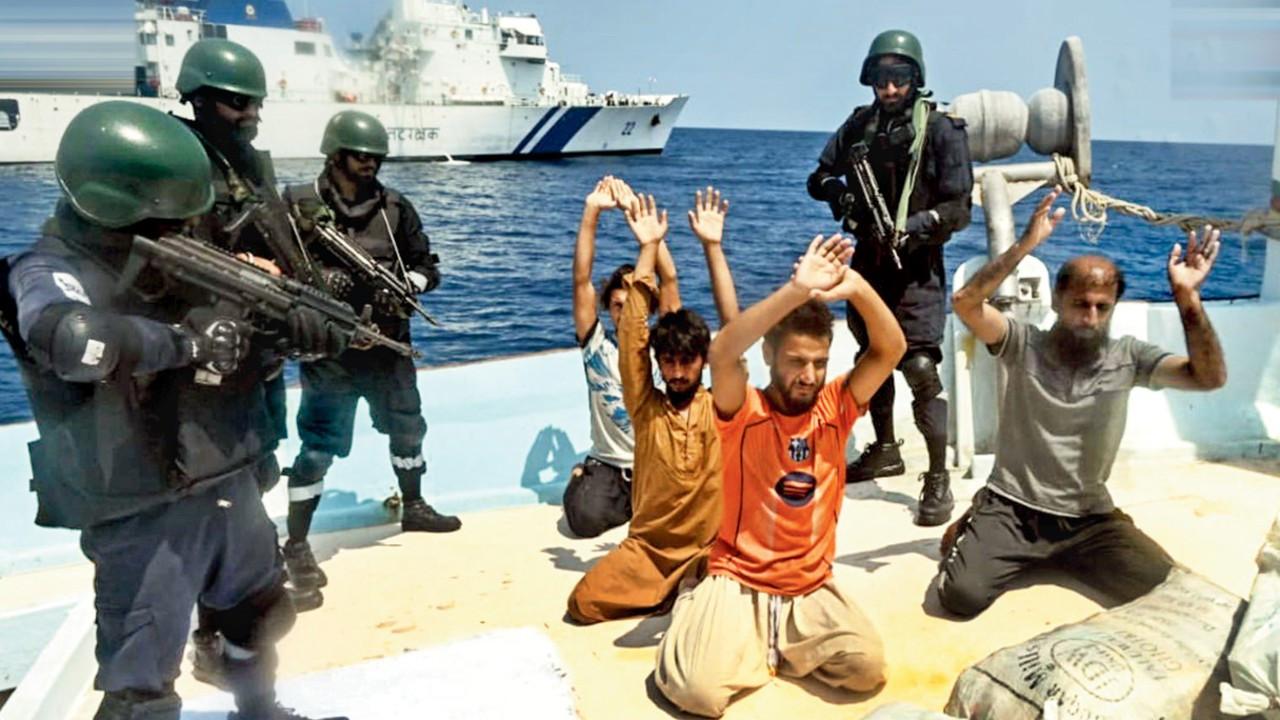
Pakistan's military and law enforcement have intercepted massive drug shipments in a series of coordinated operations. ISPR reported that Pakistan Navy ships *Hunain* and *Yarmook* seized over 2,800 kilograms of narcotics valued at approximately $750 million during a high-seas interdiction on September 26. The haul marks one of the largest drug busts in the region and reflects intensified efforts to disrupt transnational smuggling networks flowing from Afghanistan.
The seizures come as Pakistan faces mounting pressure from synthetic drug trafficking. U.S. Embassy Islamabad confirmed that a joint operation with the Drug Enforcement Administration and Pakistan's Anti-Narcotics Force seized 463 kilograms of Afghan-origin crystal methamphetamine valued at $21 million. Domestic operations on September 29 yielded another 167.1 kilograms across six raids targeting student-focused distribution networks.
Pakistan Navy Intercepts Massive Drug Shipment at Sea
On September 26, Pakistan Navy vessels executed a routine patrol west of Lakshadweep when they intercepted a suspicious boat in the Arabian Sea. ISPR stated that naval crews *recovered narcotics from concealed compartments during a boarding operation.* The seizure totaled over 2,800 kilograms of drugs hidden in secret compartments—roughly equivalent to 560,000 doses. Chief of Naval Staff Admiral Naveed Ashraf praised the crew's vigilance in detecting the vessel.
Coordinated U.S.-Pakistan Intelligence Breaks Afghan Drug Ring
The August-to-September operations revealed how trafficking cartels exploit commercial shipping routes. U.S. Embassy Islamabad confirmed the DEA and Pakistan's Anti-Narcotics Force disrupted a major smuggling network. On August 30, Sri Lankan authorities acting on ANF intelligence seized 463 kilograms of crystal methamphetamine at Colombo Port, valued at $21 million. The coordinated bust showed how Afghan-origin drugs move through South Asian ports toward the Gulf and East Africa.
Domestic Crackdowns Target Youth Distribution Networks
On September 29, Pakistan's Anti-Narcotics Force launched six simultaneous raids across the country targeting local dealers supplying synthetic 'ice' to students. ISPR reported the operations seized 167.1 kilograms and arrested four suspects. The timing suggests cartels are adapting tactics—shifting from large maritime shipments to smaller, faster domestic distribution. Officials say this reflects both success in port security and the persistent threat of Afghan synthetic drugs reaching Pakistan's streets.
Afghanistan's Synthetic Drug Crisis Fuels Regional Trafficking
Pakistan's ambassador to the UAE, Shafqat Ali Khan, raised alarm at the UN Crime Congress in Abu Dhabi on September 28. He warned of *the 'potential expansion of opium cultivation and synthetic drug production in Afghanistan, as well as the growing nexus between narcotics and terrorism.'* Though the Taliban banned opium poppies in 2022, Afghanistan remains South Asia's primary source of crystal methamphetamine. Experts say cartels now exploit commercial shipping—hiding drugs inside towels and animal feed—making detection difficult despite improved screening.
Sentiment
Mostly NegativeNEGATIVENEUTRALPOSITIVE
Publishers
58
Articles
71
Reach
129
A
AnonymousAuthor


