Macquarie Island Evacuation
Australia plans to evacuate Macquarie Island staff due to impending bird flu threat
Anonymous
Key Points
1
Plans include remotely monitoring Macquarie Island with cameras and drones, with the Australian Antarctic Division aiming to maintain a long-term presence and consider returning expedition members in future seasons.
2
Macquarie Island hosts up to 4 million seabirds and about 100,000 seals, and it is a World Heritage-listed wildlife sanctuary.
3
Elephant seals near the station could experience pup mortality rates greater than 90%, with Heard Island events showing tens of thousands of pups dying (roughly 13,000 in that instance).
4
The 24 expeditioners on Macquarie Island arrived in May for what was planned as a year-long deployment, but will be withdrawn in October.
5
Macquarie Island lies about 1,500 kilometres southeast of Hobart, Tasmania, placing it deep in the Southern Ocean near Australia’s sub-Antarctic domains.
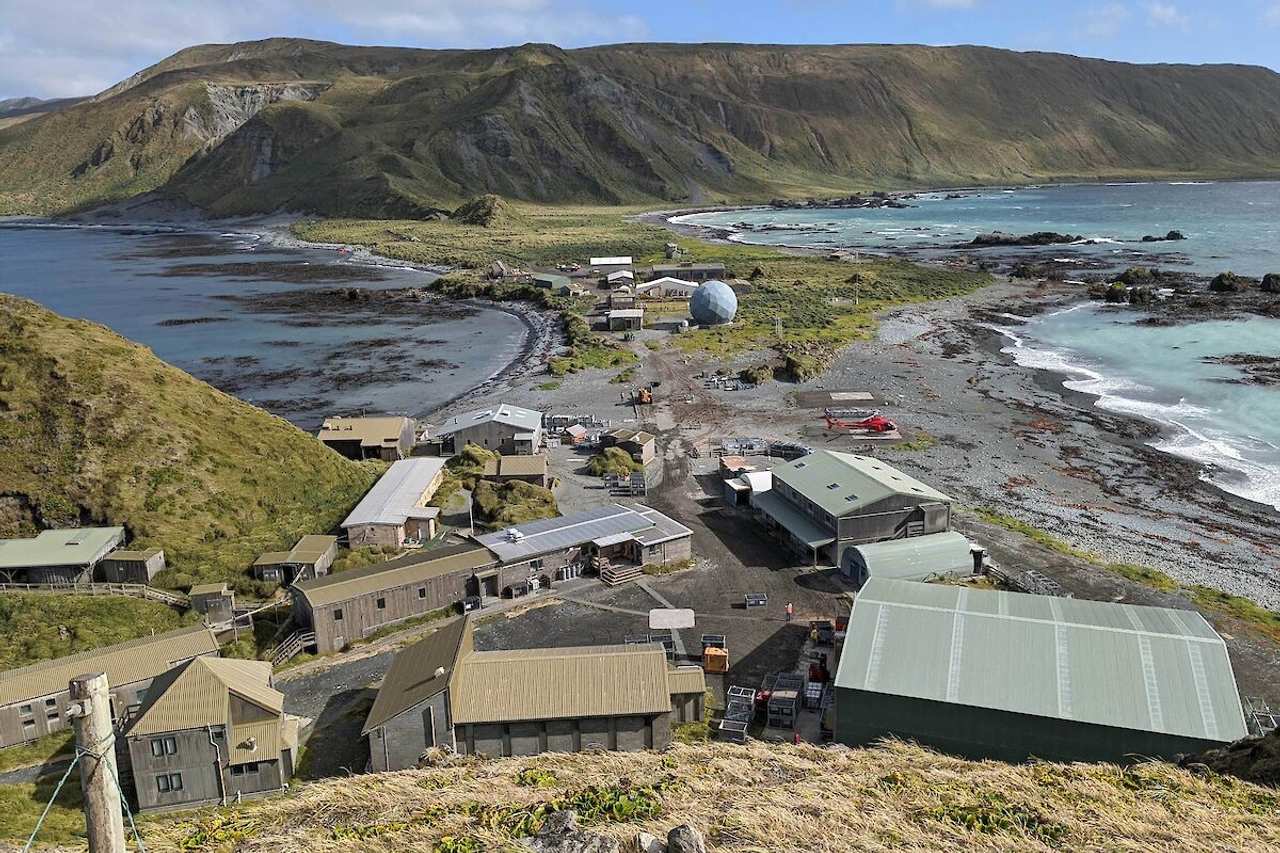
Australia is evacuating 24 researchers from Macquarie Island in early October due to fears that bird flu could devastate the remote wildlife sanctuary. The Nightly reports that the Australian Antarctic Division made this unusual decision to protect staff wellbeing, citing the psychosocial risk if a mass bird and seal die-off occurs nearby. The sub-Antarctic island, located 1,500 kilometres southeast of Hobart, hosts up to 4 million seabirds and 100,000 seals — making it particularly vulnerable to H5 avian influenza.
The expeditioners arrived in May for a planned year-long deployment but will leave before the peak seal breeding season, when experts warn a significant mortality event is likely. Nine News notes that Macquarie Island remains free of the H5 strain so far, but past outbreaks at nearby locations have killed tens of thousands of seal pups. The move prioritizes staff mental health over continuous station operations.
Why Bird Flu Poses Such a Severe Threat
Macquarie Island is a World Heritage sanctuary teeming with wildlife. Pulse Tasmania explains that the island's breeding season would concentrate hundreds of thousands of seal pups in close quarters. If H5 bird flu arrives during breeding, experts assess a high likelihood of catastrophic mortality — elephant seal pups elsewhere have experienced death rates over 90%.
Past H5 outbreaks at nearby Heard Island killed roughly 13,000 seal pups in a single event. Being confined at the station during such a mass die-off would expose staff to severe air quality issues, disturbing wildlife scenes, and long-term psychological harm. The 24 researchers made the decision to withdraw rather than endure those conditions.
The Icebreaker Extraction and Future Plans
The icebreaker RSV Nuyina will retrieve the staff in early October, ahead of peak seal breeding. InDaily Queensland reports that the Australian Antarctic Division aims to maintain a long-term Australian presence on Macquarie Island despite this temporary withdrawal. Remote monitoring using cameras and drones will replace human observers during the critical breeding months.
Officials plan to explore bringing expedition members back in future seasons once bird flu risks are better understood. The evacuation is framed as a precautionary pause rather than abandonment. Macquarie Island's research role — tracking wildlife, monitoring climate impacts, and maintaining infrastructure — will continue through remote technology and eventual return visits.
A Rare Prioritization of Researcher Wellbeing
InDaily South Australia emphasizes that withdrawing staff is an uncommon move for Australia's Antarctic program. The decision reflects growing recognition that psychosocial health — mental health impacts from isolation, confinement, and witnessing mass death — matters as much as scientific output. Researchers face extreme isolation; being trapped on a remote island while thousands of animals die nearby would cause severe psychological stress.
The evacuation prioritizes staff safety and morale over uninterrupted monitoring. While losing continuous on-site research capacity is costly, the Antarctic Division determined that protecting researcher wellbeing and enabling safe future operations justified the temporary withdrawal. This signals a shift in how Australia manages its polar research stations.
Sentiment
Mostly NegativeNEGATIVENEUTRALPOSITIVE
Publishers
14
Articles
28
Reach
42
A
AnonymousAuthor


