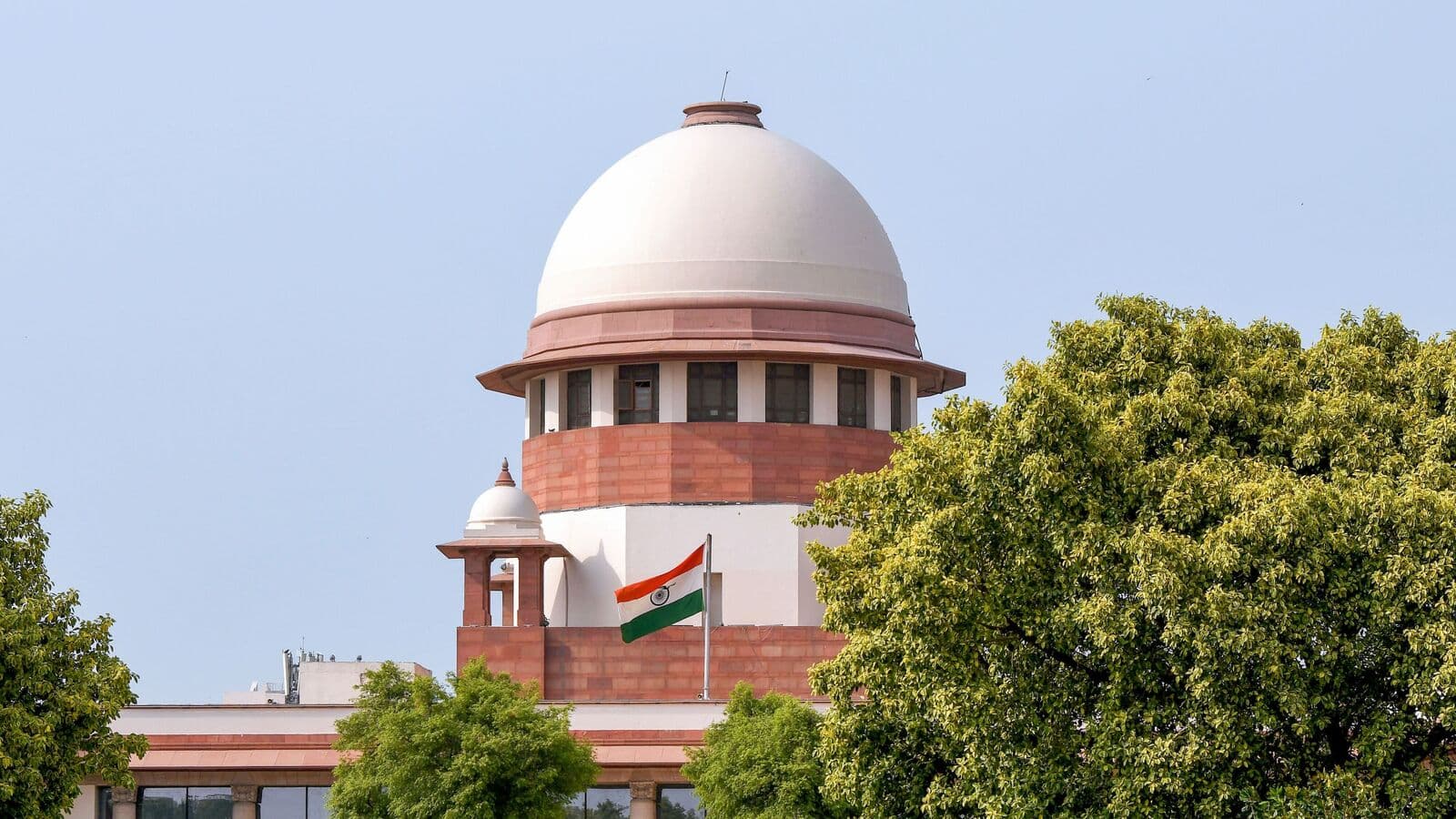
New Supreme Court Judges
Government Appoints Three High Court Chief Justices to Supreme Court Bench
Anonymous
Key Points
1
The Collegium recommended the three appointments at its meeting on September 28, 2026.
2
The appointments followed consultation with Chief Justice of India Surya Kant, and came after the Supreme Court’s sanctioned strength had been increased to 37 judges.
3
Justice Sunita Agarwal is due to retire from the Supreme Court in April 2031.
4
Justice Agarwal graduated in law from Awadh University in 1989, entered the legal profession in December 1990 and was appointed a judge in November 2011.
5
Justice Devendra Kumar Upadhyaya’s parent High Court is Allahabad; Justice Aparesh Kumar Singh’s is Jharkhand.
India has appointed three High Court chief justices to the Supreme Court, lifting the bench's working strength to 37 judges. News18 reported that Justice Sunita Agarwal of Gujarat, Justice Devendra Kumar Upadhyaya of Delhi, and Justice Aparesh Kumar Singh of Telangana received President Droupadi Murmu's approval following the Supreme Court Collegium's recommendation on September 28, 2026.
The move brings the Supreme Court one judge short of its sanctioned strength of 38. Moneycontrol noted that Justice Agarwal becomes the third woman judge on the Supreme Court bench, marking a significant step toward judicial diversity at India's highest court.
Who Are the Three New Judges?
Justice Sunita Agarwal, Chief Justice of the Gujarat High Court, began her legal career in December 1990 after graduating in law from Awadh University in 1989. New Indian Express reported she became a judge in November 2011 and took charge as Gujarat's chief justice in 2023. She is due to retire from the Supreme Court in April 2031.
Justice Devendra Kumar Upadhyaya comes from the Delhi High Court, while Justice Aparesh Kumar Singh hails from the Telangana High Court. Their parent High Courts are Allahabad and Jharkhand respectively, providing geographic diversity to the Supreme Court's composition.
The Collegium Process and Constitutional Authority
The Supreme Court Collegium, led by Chief Justice of India Surya Kant, recommended all three appointments at its September 28 meeting. News18 explained that the President made the formal appointments under constitutional authority, following established judicial selection procedures.
The appointment process required consultation between the Collegium and the Chief Justice of India. This protocol ensures the Supreme Court maintains institutional independence while the government executes the formal appointment through the President.
Boosting Female Representation on the Bench
Justice Agarwal's elevation marks a milestone for gender diversity in India's judiciary. Moneycontrol reported she becomes the third woman judge on the Supreme Court, reflecting growing efforts to increase women's participation at the nation's highest judicial level.
Her appointment signals institutional commitment to balanced representation. Female judges bring distinct perspectives to jurisprudence and demonstrate the judiciary's evolution toward inclusive decision-making at all levels.
Sentiment
Mostly NegativeNEGATIVENEUTRALPOSITIVE
Publishers
14
Articles
27
Reach
41
Topics
A
AnonymousAuthor