Global Innovation Crown
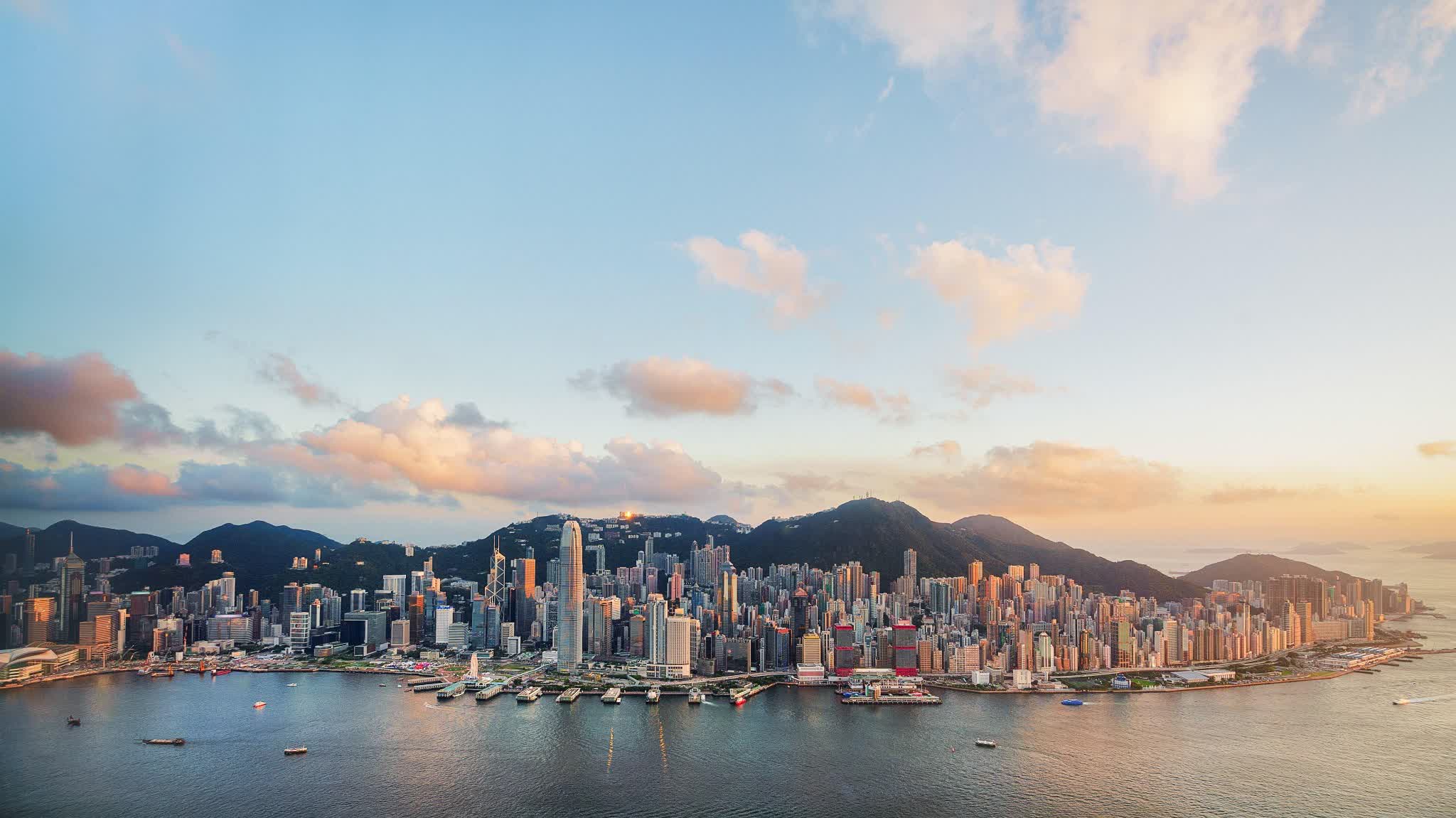
Shenzhen-Hong Kong-Guangzhou cluster retains global innovation crown for second consecutive year in 2026.
Anonymous
Key Points
1
China’s Shanghai-Suzhou cluster ranked sixth, immediately behind Beijing in fifth, while the United States had 20 clusters in the top 100 and Germany had seven. Munich was Germany’s highest-ranked cluster at 28th, and Hamburg was 93rd.
2
The Hong Kong Park in the Hetao Shenzhen-Hong Kong Science and Technology Innovation Co-operation Zone opened in December 2025; more than 60 enterprises and institutions had signed leases at launch, and by August 2026 nearly 100 technology firms had established a presence while both wet-lab buildings were fully leased.
3
Hong Kong’s Science Park and Cyberport have together nurtured about 20 unicorn companies, according to the Hong Kong government spokesman.
4
Hong Kong said it ranks second in Asia after mainland China for private-equity assets under management, with nearly US$250 billion, and is expanding venture financing to support the path from research to commercialisation.
5
The San Tin Technopole Company Limited was established in June 2026 to oversee roughly 210 hectares of innovation-and-technology land, intended to connect upstream research with midstream and downstream industrial applications.
The Shenzhen-Hong Kong-Guangzhou cluster has held onto the world's top innovation ranking for the second year running, according to WIPO's 2026 Global Innovation Index. The cross-border region recorded 2,259 patent applications, 4,060 scientific articles, and 138 venture deals per million residents over five years. Tokyo-Yokohama, San Jose-San Francisco, Seoul, and Beijing rounded out the top five.
China claimed 25 of the world's top 100 innovation clusters, far more than any other nation. The United States placed 20 clusters in the rankings, while Germany secured seven. Hong Kong officials called the result proof that the Greater Bay Area's research, technology, and financing ecosystem is working.
How China Dominates the Global Innovation Ranking
China's grip on global innovation strengthens year after year. Shanghai-Suzhou ranked sixth, just behind Beijing at fifth. WIPO's rankings measure innovation through three metrics: patent applications filed internationally, scientific papers published, and venture-capital funding deals completed. No other country came close to China's 25 clusters in the top 100.
The United States remained second with 20 clusters. Germany placed third with seven, with Munich at 28th and Hamburg at 93rd. This shows how concentrated innovation remains in just a handful of global powerhouses, mostly in Asia and North America.
Hetao Zone Becomes Hong Kong's Innovation Showpiece
Hong Kong's Hong Kong Park in the Hetao Shenzhen-Hong Kong Science and Technology Innovation Co-operation Zone opened in December 2025. By August 2026, nearly 100 technology firms had moved in. Both wet-lab buildings were fully leased within nine months. More than 60 enterprises and institutions signed leases on day one.
The city also created the San Tin Technopole Company Limited in June 2026 to manage roughly 210 hectares of innovation land. The plan connects early research with manufacturing and commercial applications. Hong Kong pledged to deepen cooperation with mainland cities under China's 15th Five-Year Plan.
Hong Kong Builds Financing Muscle for Tech Startups
Hong Kong ranks second in Asia for private-equity assets under management, behind only mainland China. The city controls nearly US$250 billion in venture and private capital. Stratford Beacon Herald reported that Hong Kong's Science Park and Cyberport have together nurtured about 20 unicorn companies—privately held startups worth over US$1 billion.
City leaders are expanding venture financing to help researchers turn discoveries into real businesses. This path from lab to market is key to keeping Hong Kong competitive as an international innovation hub. The goal: make sure money flows to the next generation of breakthrough startups in the Greater Bay Area.
Sentiment
Mostly PositiveNEGATIVENEUTRALPOSITIVE
Publishers
13
Articles
45
Reach
58
Topics
A
AnonymousAuthor


