Congress Probes Sensitive F-35 Parts in Hong Kong
Congress Probes Sensitive F-35 Parts in Hong Kong
Anonymous
Key Points
1
The components were being transported by an intermediary on behalf of F-35 manufacturer Lockheed Martin, and it remains unclear why the shipment was diverted to Hong Kong.
2
J.J. Gertler, a former House Armed Services Committee staff member and Congressional Research Service aviation analyst, said that possessing a physical canopy could help China verify or refine information it may already have obtained through espionage: “Possessing a real one can give them even more to go on and can verify or refine whatever they already had learned.”
3
The canopy’s specialized stealth technology is reportedly available not only to the United States but also to allied countries including Israel, underscoring the component’s restricted distribution.
4
A separate case cited in coverage involved the February arrest of former U.S. Air Force major Gerald Eddie Brown Jr., who was accused of providing unauthorized training to Chinese military pilots after working as a simulator instructor for defense companies and training pilots on the A-10 and F-35.
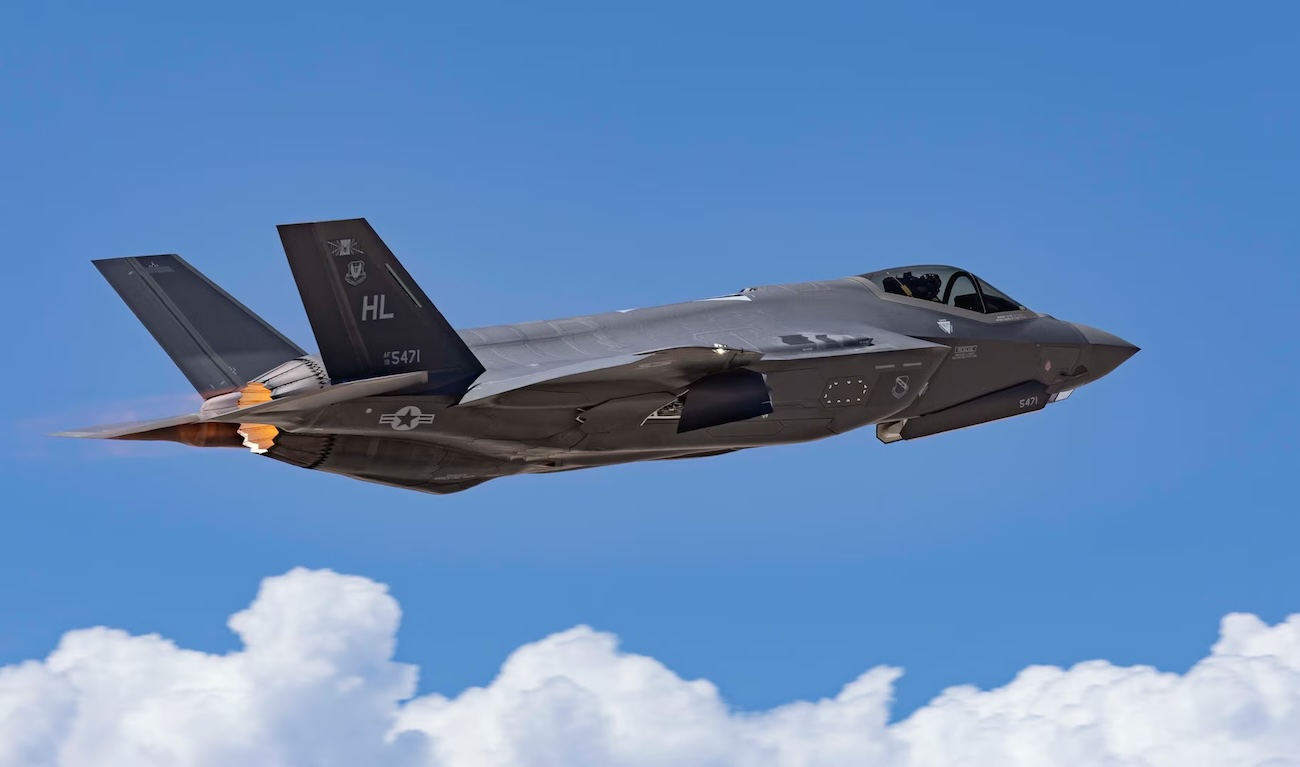
Congress is investigating how sensitive F-35 fighter jet parts were diverted to Hong Kong while traveling from Australia to the United States, raising alarm that China could obtain classified stealth technology WION News. The shipment included a specialized cockpit canopy—a component with stealth features available only to the US and its close allies. Pentagon and State Department officials briefed congressional national security staff in June about the incident Defence Security Asia.
The F-35 Joint Program Office is working to recover the components and strengthen safeguards Federal Probe. The diversion raises fresh concerns because China has repeatedly tried to steal F-35 secrets through espionage, and Hong Kong's security is increasingly controlled by Beijing Mathrubhumi. It remains unclear why the intermediary transporting the parts on behalf of Lockheed Martin sent them to Hong Kong instead of their intended destination.
Why a Cockpit Canopy Could Threaten National Security
The F-35 cockpit canopy is no ordinary aircraft part. Its stealth technology helps fighters avoid radar detection—a military advantage the US guards fiercely Archynetys. According to J.J. Gertler, a former House Armed Services Committee analyst, possessing the actual canopy is dangerous: it would let China verify or refine classified information stolen through past espionage Defence Security Asia. 'Possessing a real one can give them even more to go on,' Gertler explained.
The canopy's advanced design is restricted to the US and select allies including Israel WION News. If China obtained and studied it, engineers could understand how stealth materials work and improve their own fighter jets. This is why the Pentagon is treating the diversion as a serious breach.
China's Long History of Stealing F-35 Secrets
This incident fits a troubling pattern. China has repeatedly used espionage to collect F-35 intelligence Mathrubhumi. In February, federal authorities arrested former US Air Force Major Gerald Eddie Brown Jr., accusing him of providing unauthorized training to Chinese military pilots Defence Security Asia. Brown worked as a simulator instructor for defense companies and trained pilots on both the A-10 and F-35 fighter jets.
The arrest shows Beijing's appetite for American military technology extends beyond stealing documents—it includes finding people willing to share operational knowledge. Now that components may have reached Hong Kong, the Pentagon must determine whether they fell into Beijing's hands.
Pentagon and Congress Launch Recovery and Investigation
The Pentagon's F-35 Joint Program Office is working with US authorities and Lockheed Martin to recover the diverted components Federal Probe. Pentagon and State Department officials have already briefed congressional national security staff, with more briefings planned. Investigators must answer critical questions: Who redirected the shipment to Hong Kong? Did Chinese officials intercept or purchase the parts? How long were the components exposed?
The incident has exposed gaps in safeguards for transporting classified military hardware. Unserviceable parts still require protection because they reveal manufacturing secrets and design details Defence Security Asia. The Pentagon is now strengthening procedures to prevent future diversions of sensitive equipment.
Sentiment
Mostly NegativeNEGATIVENEUTRALPOSITIVE
Publishers
16
Articles
3
Reach
19
A
AnonymousAuthor


