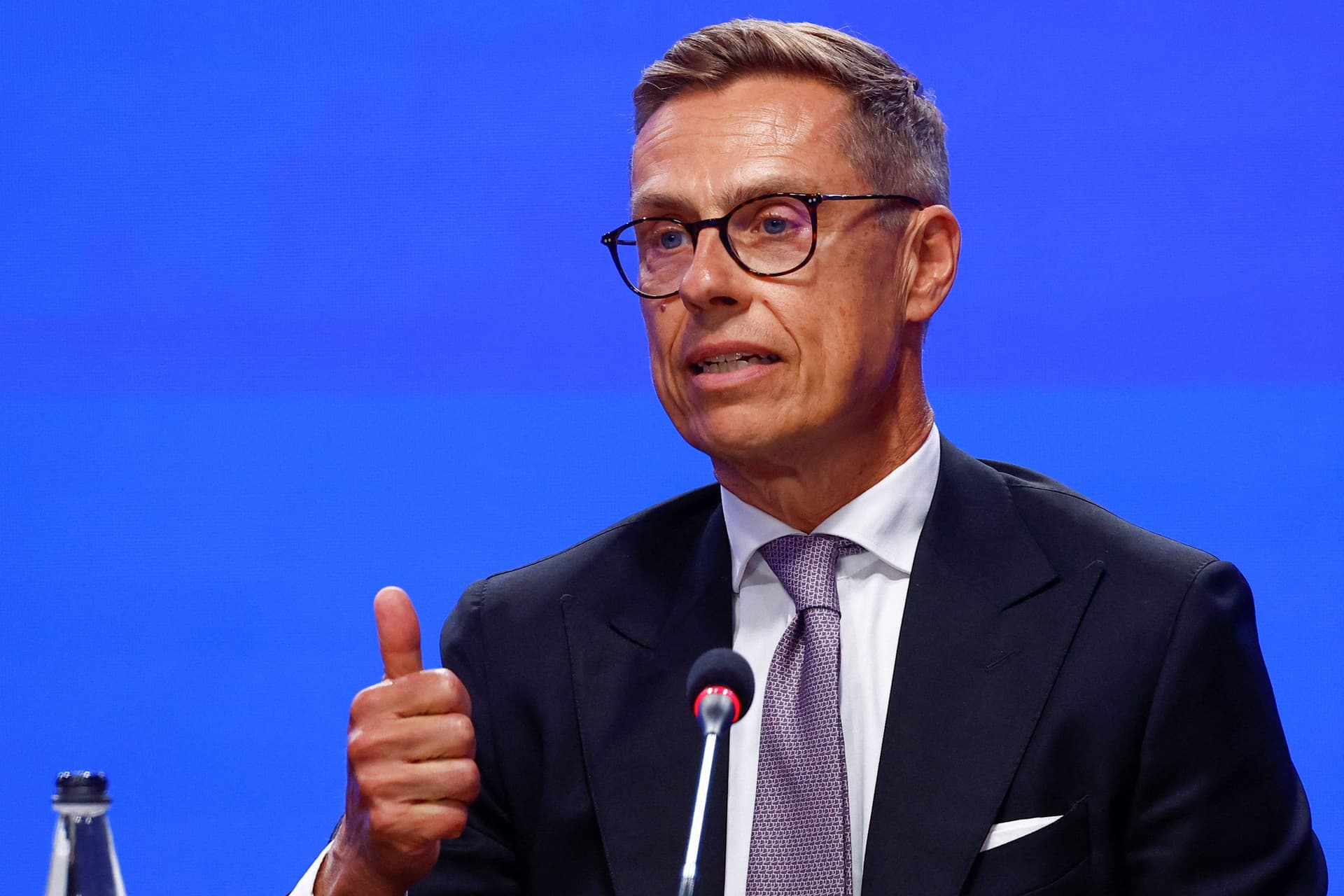
NATO Arctic Security Threat
Russian Foreign Minister Lavrov Warns That NATO Arctic Moves Pose Direct Threat
Anonymous
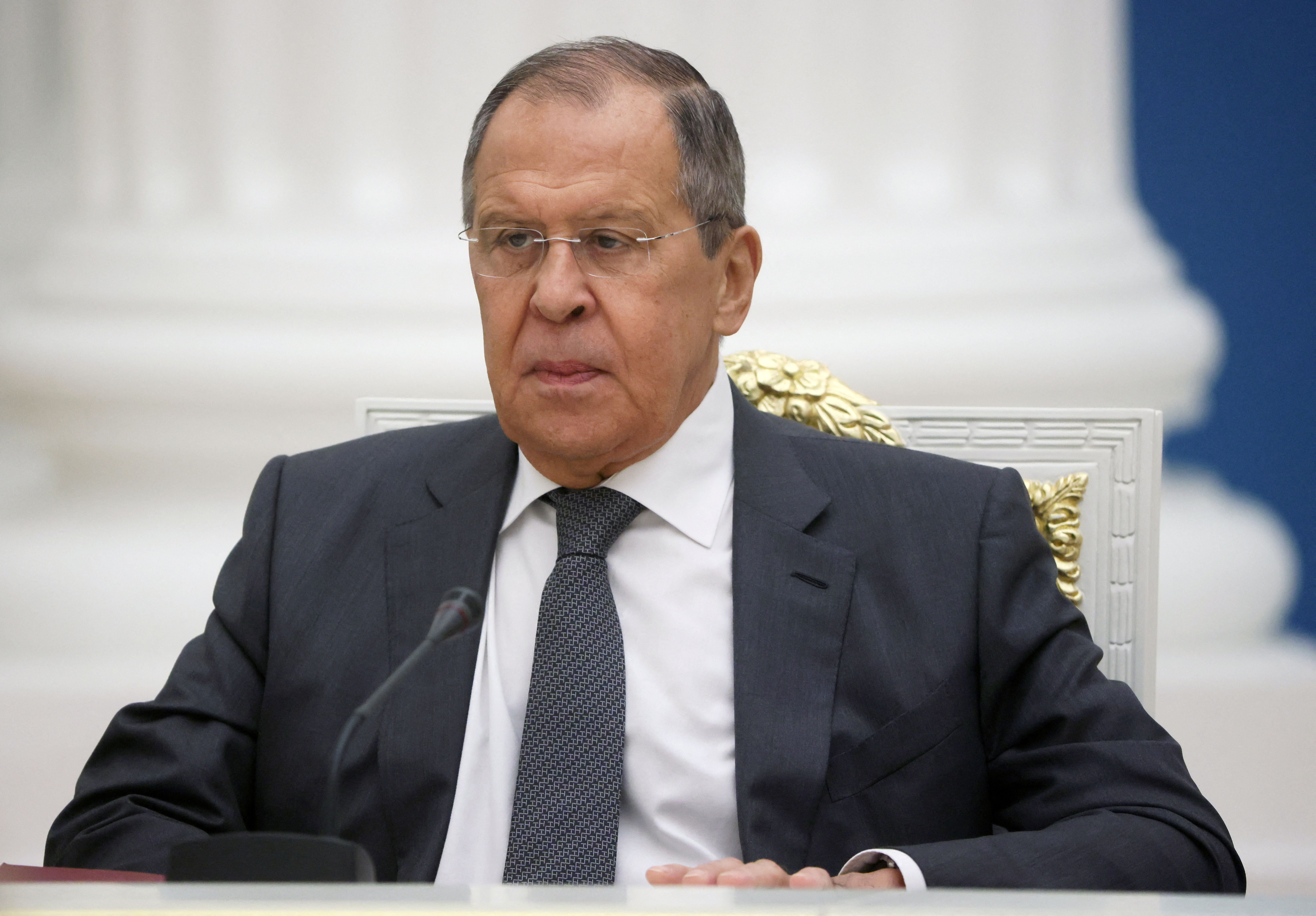
Russia's Foreign Minister Sergei Lavrov warned that NATO's growing presence in the Arctic represents a direct threat to Russian security. The accusation comes as NATO members expand operations in the region following Russia's invasion of Ukraine, including Arctic Sentry, a new mission launched in February to strengthen NATO's foothold in northern Canada WDSM.
Russia views the Arctic as a strategic zone where it operates nuclear-armed submarines and is developing shipping routes to Asia. NATO's increased activity—tied partly to U.S. President Donald Trump's interest in Greenland—has intensified the military standoff in one of the world's most remote and resource-rich regions US News.
Arctic Sentry and NATO's Expanded Footprint
NATO launched Arctic Sentry in February to increase military presence across northern territories. The mission focuses on Canada's Arctic zone, a strategic location Russia sees as part of its sphere of influence WDSM. The operation reflects NATO's shift in priorities following Russia's full-scale invasion of Ukraine in 2022.
Russia's Nuclear Submarine Fleet in Disputed Waters
Russia operates a significant naval presence in the Arctic, including submarines armed with nuclear weapons. The Kremlin views NATO expansion in the region as encroachment on territory where it has long held strategic dominance Yahoo News. Moscow's concern centers on NATO's ability to monitor and potentially counter its submarine operations.
Trump's Greenland Push Adds to Arctic Tensions
U.S. President Donald Trump's push to acquire Greenland has amplified Arctic tensions and accelerated NATO's regional buildup US News. Greenland sits at a critical Arctic crossroads, giving the U.S. leverage over shipping routes and military positioning. Russia sees this geopolitical maneuvering as part of a broader Western strategy to contain Moscow in the Arctic.
Arctic Shipping Routes Become Strategic Battleground
Russia is developing new Arctic shipping routes to connect with Asian markets, viewing them as critical to bypassing Western sanctions and diversifying trade WDSM. NATO's expanded presence threatens to disrupt these plans and limit Russia's freedom to operate in waters it considers its own. The Arctic is rapidly becoming a flashpoint in the broader U.S.-Russia competition for global influence.
Sentiment
NeutralNEGATIVENEUTRALPOSITIVE
Publishers
5
Articles
5
Reach
5
Topics
A
AnonymousAuthor