Middle East Tensions Escalate
US Embassies Issue Warnings Amid Iranian Threats to Strategic Choke Points
Anonymous
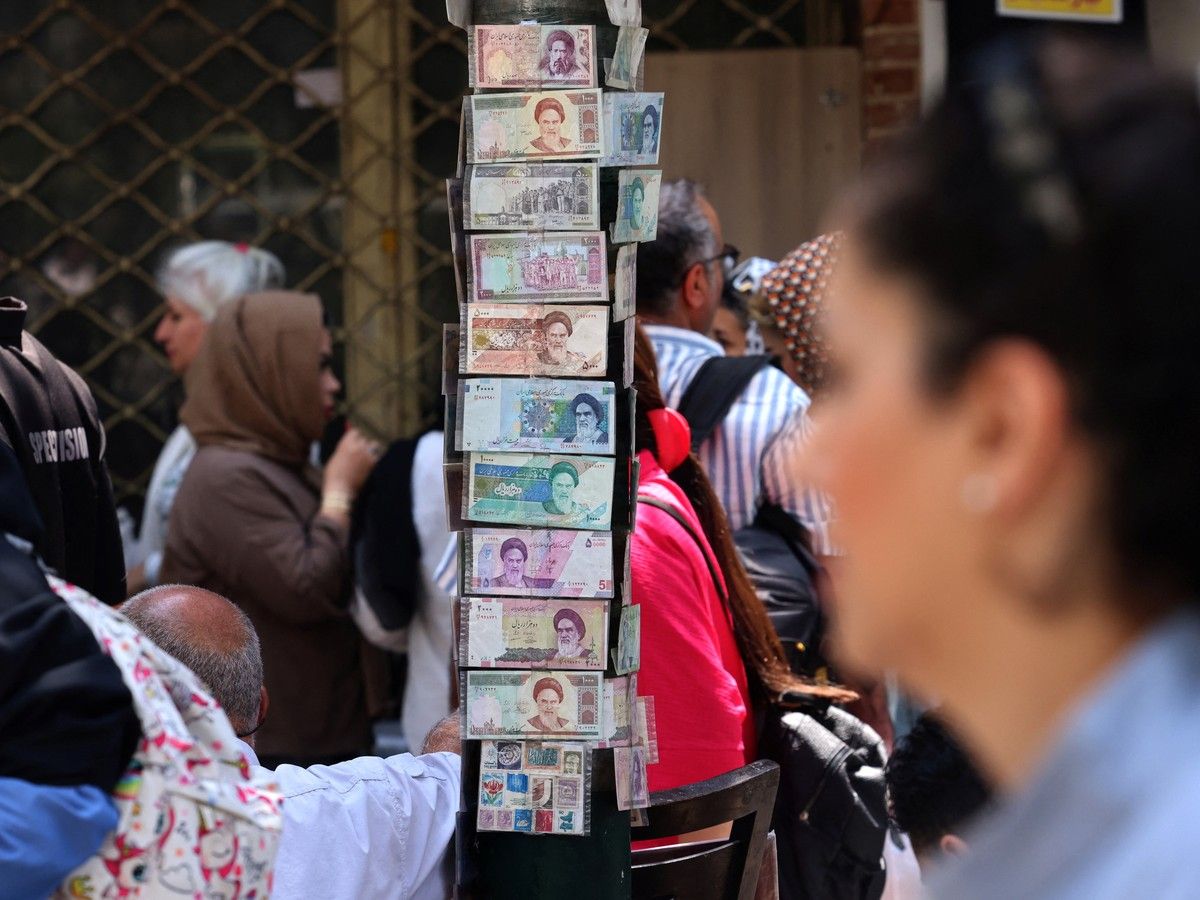
U.S. embassies across the Middle East have warned Americans to expect flight cancellations and airspace closures as tensions between Washington and Tehran sharply escalate. The alerts come after Iran's Supreme National Security Council secretary, Mohammad Bagher Zolghadr, warned that a continued U.S.-led naval blockade could force Iran to close the Strait of Hormuz and other key shipping lanes, according to National Post.
The warnings grow more urgent amid reports that President Trump has ordered the military to prepare strikes against Iran, possibly as soon as this weekend. Brent crude oil has already surged past $90 a barrel — up from below $72 a barrel just last month — as markets brace for a wider conflict, Calgary Herald reported.
Iran Threatens to Shut Strategic Shipping Choke Points
Zolghadr's warning targeted the Strait of Hormuz — a narrow waterway through which roughly 20% of the world's oil supply passes. He said any further U.S. escalation or tightening of the naval blockade would push Iran to close the strait and potentially other key choke points, according to Ottawa Citizen.
A closure of the Strait of Hormuz would be one of the most severe disruptions to global energy supply in decades. The threat alone has been enough to rattle oil markets. Brent crude ended the week above $90 a barrel, a nearly 25% jump from where it stood at the start of last month, Vancouver Sun reported.
U.S. Embassies Issue Urgent Travel Warnings Across the Region
American embassies throughout the Middle East issued urgent alerts telling U.S. citizens to prepare for sudden flight cancellations, airspace closures, and broader travel disruptions. The warnings did not name specific countries but cover the entire region, Daily Herald Tribune reported.
The alerts follow President Trump's announcement that he is weighing new military action against Iran. Vancouver Sun reported that embassies told Americans to stay alert and have contingency plans ready in case commercial flights are grounded with little notice.
Saudi Arabia and Iraq Drawn Deeper Into the Conflict
The war is no longer just a U.S.-Iran standoff. Saudi Arabia has joined the U.S. in striking Iran-backed militias in Iraq after those groups attacked Saudi oil facilities. Iraq's government is now caught in the middle, with fighting spilling across its territory, Cochrane Times Post reported.
The strikes on Saudi oil infrastructure added more pressure to already strained global energy markets. Each new attack on oil facilities pushes prices higher and increases the risk that supply chains will break down further. Analysts warn the situation could deteriorate fast if Iran follows through on its threat to close the strait.
Energy Markets Brace for a Prolonged Supply Shock
Oil prices have swung sharply as the conflict unfolds. Brent crude climbed from below $72 a barrel at the start of last month to above $90 a barrel by the end of this week — a move driven by fears that key shipping routes could be blocked, Brantford Expositor reported.
If Iran closes the Strait of Hormuz, the impact would go far beyond oil. Natural gas, petrochemicals, and other goods flow through the strait daily. Markets are already pricing in the risk. Any military strike this weekend could send prices even higher and trigger emergency responses from major oil-consuming nations.
Sentiment
NeutralNEGATIVENEUTRALPOSITIVE
Publishers
23
Articles
22
Reach
23
A
AnonymousAuthor


