Debt Framework Overhaul
IMF and World Bank Approve Overhaul of Low-Income Debt Sustainability Framework
Anonymous
Key Points
1
The IMF Executive Board decided to keep the harmonized discount rate used in the low-income-country debt sustainability framework and the IMF’s Debt Limits Policy unchanged at 5%.
2
Most IMF executive directors supported temporarily withholding the probability thresholds and country-specific mechanical signals produced by the new model for assessing unsustainable public debt, allowing the Fund to gain experience with the methodology before publishing them.
3
The revised framework will broaden public-debt coverage to scrutinize state-owned enterprises, special-purpose entities and other public-sector liabilities, and countries will receive a confidence rating based on the coverage, quality, transparency and reliability of their debt data.
4
IMF directors called for clear guidance, communication and training before the revised framework is implemented, while cautioning that stronger data requirements should not unfairly penalize countries making genuine efforts to improve reporting.
5
The framework, introduced in 2005, informs not only IMF and World Bank lending decisions but also countries’ fiscal policy and public-debt management; the latest review was the fifth, following reviews in 2006, 2009, 2012 and 2017.
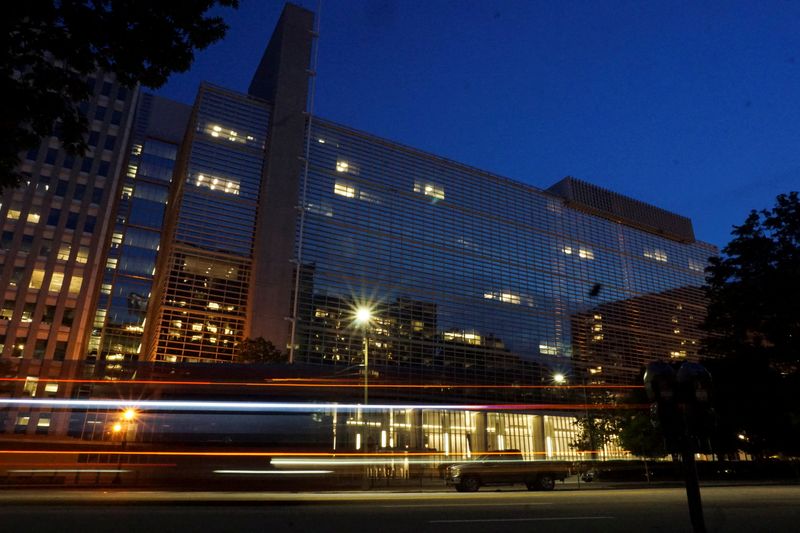
The IMF and World Bank have approved the first major overhaul of their joint debt-assessment system for poor countries in nearly a decade. World Bank The updated framework, set to launch in mid-2027, will track more types of borrowing and better spot debt problems before they spiral. It reflects growing concerns that old tools miss new risks as developing nations take on more domestic and commercial loans.
The changes come after the institutions reviewed the framework for the first time since 2017. IMF Directors agreed to keep the discount rate at 5% but will hold off publishing some new debt-warning signals until they gain more experience. The system will now scrutinize state-owned companies and special entities that governments use to borrow, closing gaps in how debt gets measured.
More Borrowing Types Tracked
Low-income countries increasingly borrow from domestic banks and private lenders, not just foreign governments. World Bank The old framework, introduced in 2005, didn't fully capture these loans. The new system broadens coverage to include domestic debt, commercial borrowing, and loans from state-owned enterprises. This gives a clearer picture of how much governments actually owe.
Better Early Warning Signs for Debt Crises
The revised framework will refine how economists measure whether a country can pay its debts based on income, exports, and other factors. IMF It separates debt stress—when payments get harder—from debt distress—when a country may not pay at all. New stress tests will simulate shocks like commodity-price crashes or pandemics. The IMF directors supported withholding some mechanical warning signals initially, letting economists test the model before publishing results.
Rewarding Countries With Better Data
Each country will receive a confidence rating based on how transparent and reliable its debt data is. World Bank The framework will also examine climate risks and long-term development costs—problems the old system ignored. Directors warned that stricter data rules must not punish countries genuinely trying to improve reporting, acknowledging that many poor nations lack resources for detailed tracking.
A Tool That Shapes Policy Across the Globe
The debt-assessment framework doesn't just guide IMF and World Bank loans. IMF Countries use it to manage their own budgets and borrowing plans. Poor nations increasingly lean on the framework to signal fiscal discipline to investors. The overhaul arrives as global debt levels rise and financing costs climb, making accurate debt assessment critical for economic stability in the world's most vulnerable countries.
Sentiment
Mostly PositiveNEGATIVENEUTRALPOSITIVE
Publishers
15
Articles
59
Reach
74
A
AnonymousAuthor


