BRICS Demands Global Financial Reform
BRICS Ministers Call For Urgent Reforms To IMF And World Bank Governance
Anonymous
Key Points
1
BRICS urged the IMF to implement without further delay the quota increases agreed under its 16th General Review of Quotas and to develop proposals for a meaningful realignment of quotas under the 17th review.
2
The group reaffirmed support for an open, transparent, inclusive, nondiscriminatory and rules-based multilateral trading system with the World Trade Organization at its core.
3
The statement explained that IMF quotas influence both a member’s voting power and the maximum amount of financing it can access, making quota reform central to BRICS’ demands for a fairer distribution of influence.
4
BRICS’ statement did not identify any specific country when criticizing unilateral tariff and non-tariff measures, instead presenting the objection as a broader defense of multilateral trade rules.
5
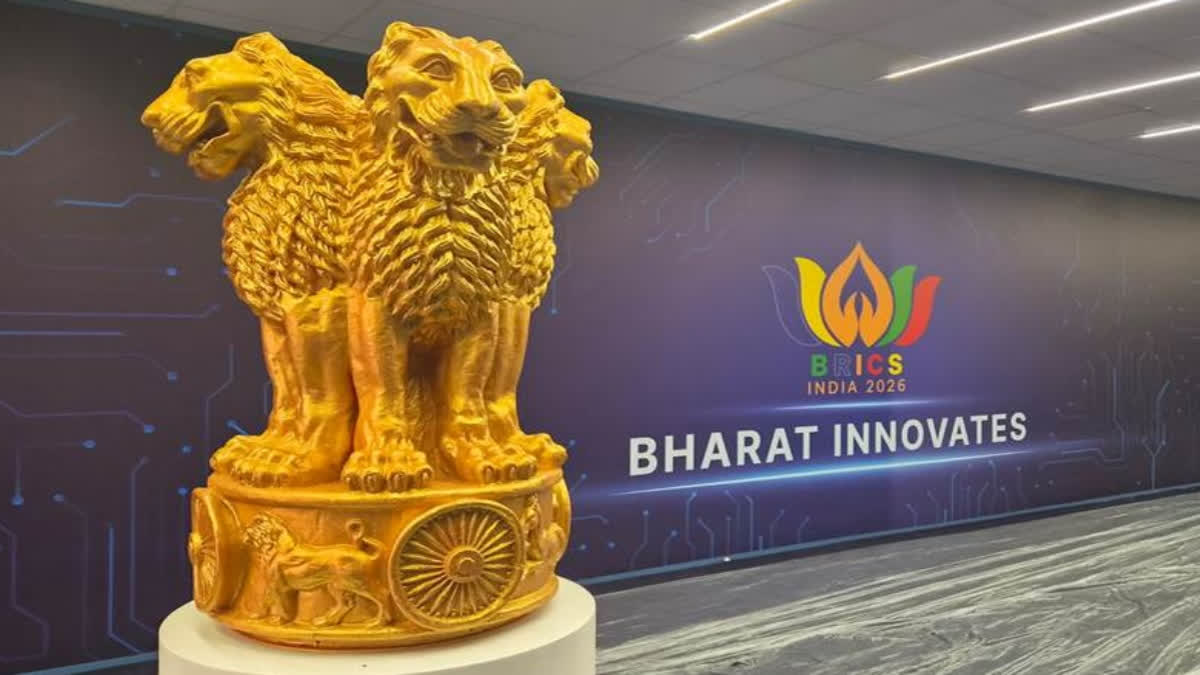
The meeting took place in Mumbai ahead of the BRICS leaders’ summit, with reports highlighting efforts to strengthen financial cooperation as the expanded bloc faces geopolitical and economic fragmentation.
BRICS finance ministers and central bank governors are demanding urgent reforms to the International Monetary Fund and World Bank, saying these institutions do not fairly represent the growing economic power of emerging and developing nations. Times Kuwait reported the group called for changes to voting shares, quota allocations, and leadership selection processes ahead of the BRICS leaders' summit in Mumbai.
The officials also criticized unilateral tariffs and other trade measures as rule-breaking and warned that protectionism, geopolitical tensions, and policy uncertainty threaten global economic stability. ETV Bharat noted BRICS backed expanded use of local currencies and faster cross-border payment systems to reduce dependence on traditional financial infrastructure.
IMF Quotas Hold the Key to Voting Power
BRICS wants the IMF to immediately implement quota increases from its 16th General Review and create new proposals for the 17th review. According to BigGo Finance, these quotas directly determine how much voting power each member country has and the maximum amount of emergency financing they can borrow. The current system, BRICS argues, no longer matches the real economic size of emerging economies.
The group is pushing for what it calls a 'meaningful realignment' of these quotas. NDTV Profit reported that BRICS sees quota reform as essential to achieving fairer influence within global financial institutions that shape lending rules and development policy worldwide.
Leaders Must Be Chosen on Merit and Transparency
BRICS is demanding more inclusive, transparent, and merit-based selection of IMF and World Bank leadership, with greater regional representation. Benin Web TV reported the ministers argued that current selection processes lack transparency and do not represent the geographic and economic diversity of the global economy.
The call for reform extends beyond just numbers. BRICS wants decision-making processes at both institutions to become more open and accountable, allowing emerging economies a real voice in how global financial rules are written and enforced.
Tariffs and Protectionism Threaten Global Trade Rules
BRICS finance ministers issued a broad defense of the multilateral trading system and the World Trade Organization. ETV Bharat reported they criticized unilateral tariffs and non-tariff measures as distortive and inconsistent with WTO rules, though the statement did not name specific countries conducting these policies.
The group warned that rising protectionism, combined with debt burdens and policy uncertainty, poses real risks to growth worldwide. BRICS reaffirmed support for an open, rules-based trading system that applies equally to all nations rather than allowing powerful countries to act unilaterally.
Local Currencies and New Payment Systems
To reduce reliance on dominant global currencies, BRICS backed expanded use of local currencies in trade and financing between member countries. BigGo Finance reported the group also committed to continued development of faster, cheaper cross-border payment systems that could operate independently of traditional Western-controlled infrastructure.
The push includes exploring digital-currency applications and interoperability—allowing different digital payment systems to work together seamlessly. These moves reflect BRICS' broader goal of building financial alternatives that give emerging economies more control over their own money flows and reduce vulnerability to external shocks.
Sentiment
Mostly PositiveNEGATIVENEUTRALPOSITIVE
Publishers
47
Articles
108
Reach
155
A
AnonymousAuthor


