Student Protests and Media Pressure
Indian Youth Protests Demand Accountability Amid Rising Press Freedom Concerns
Anonymous
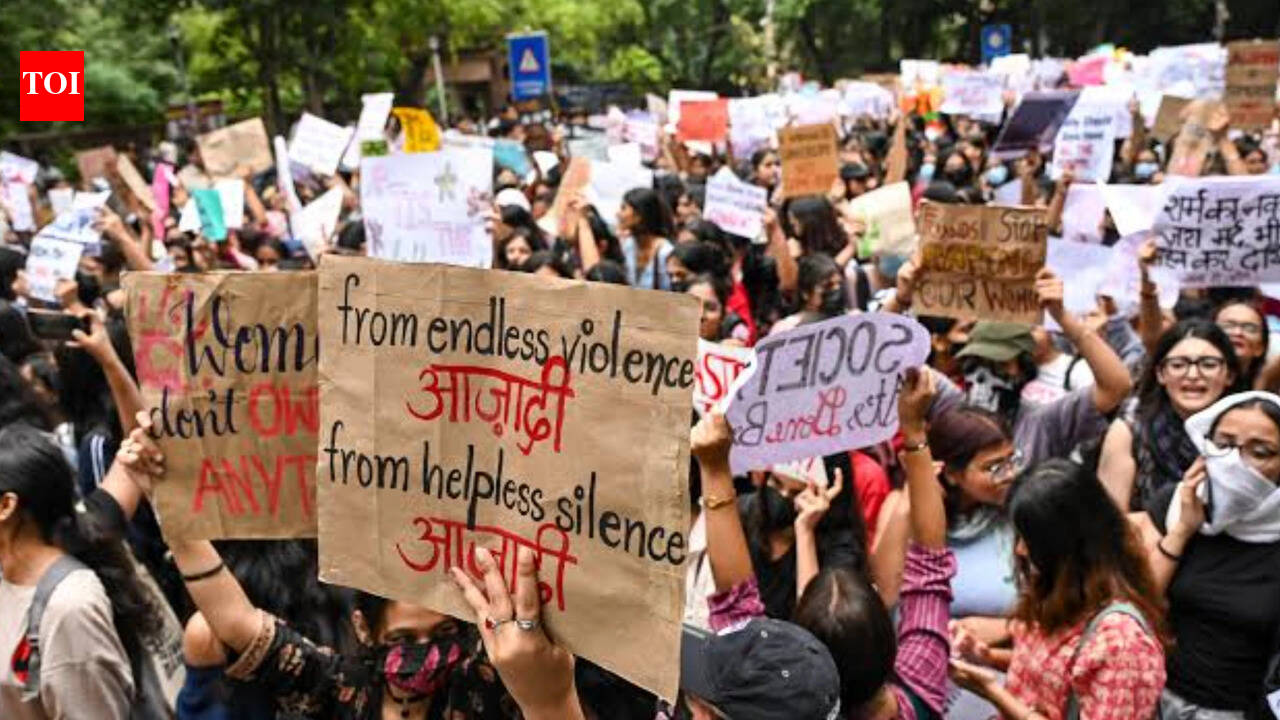
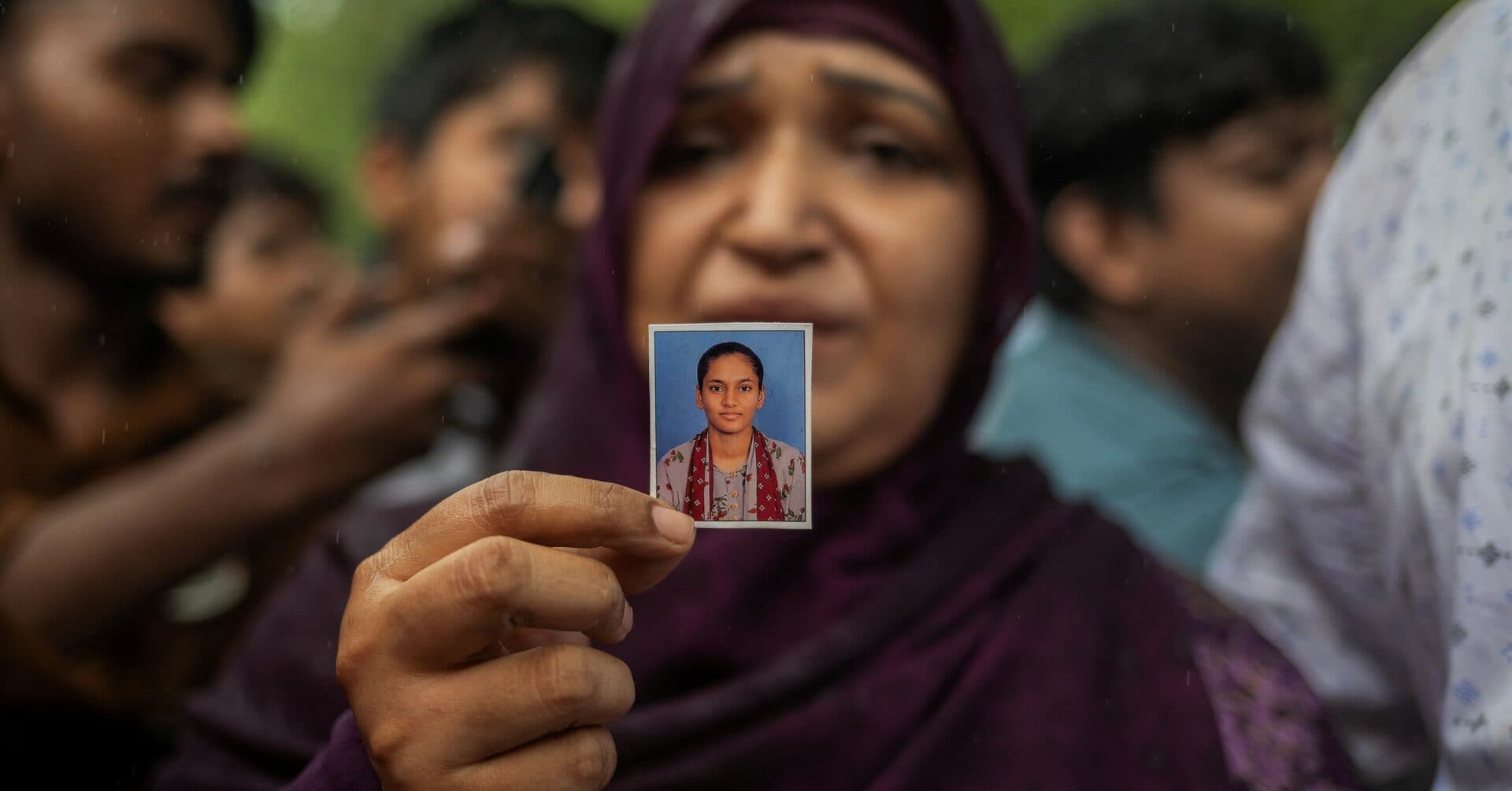
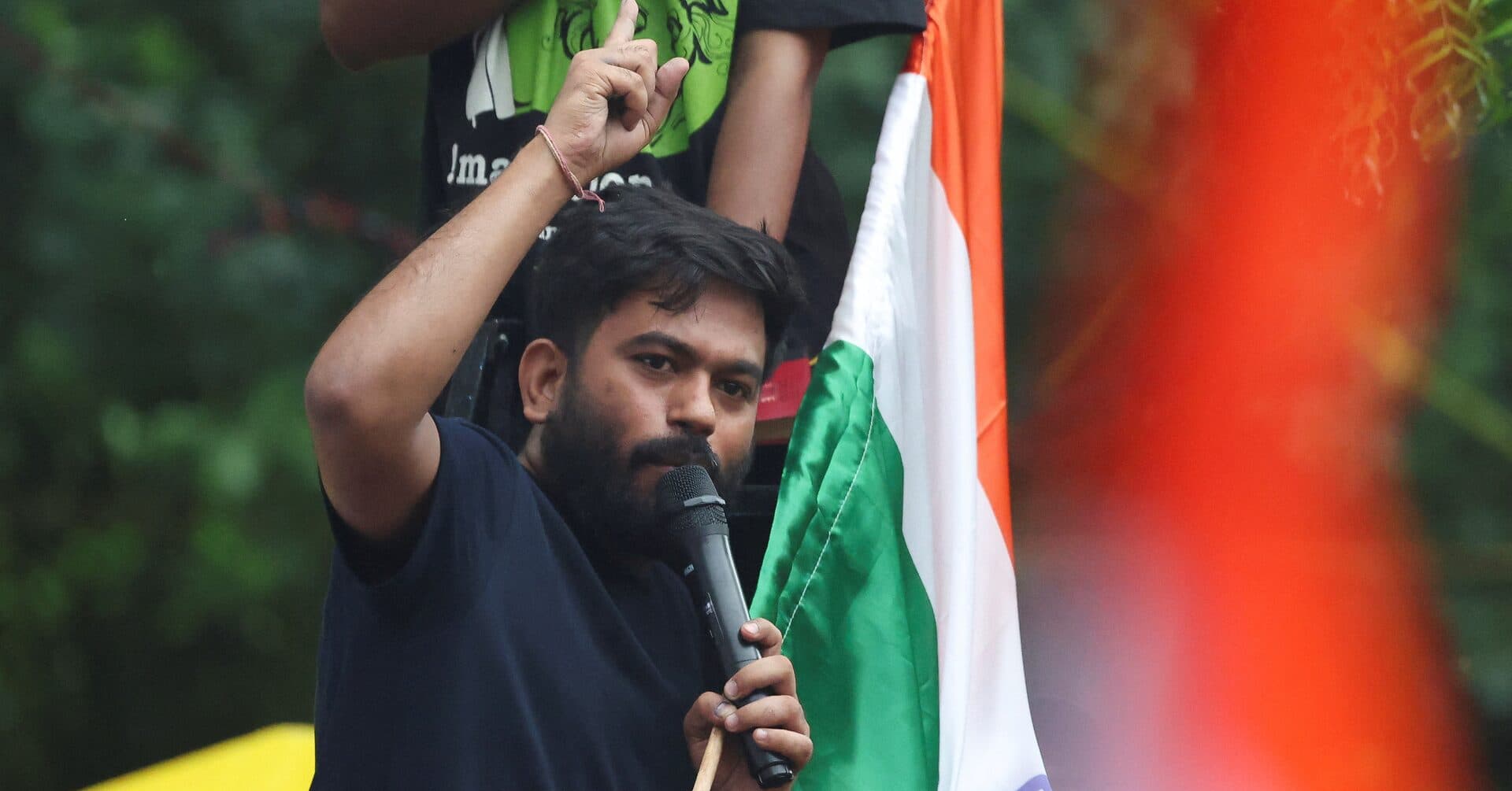
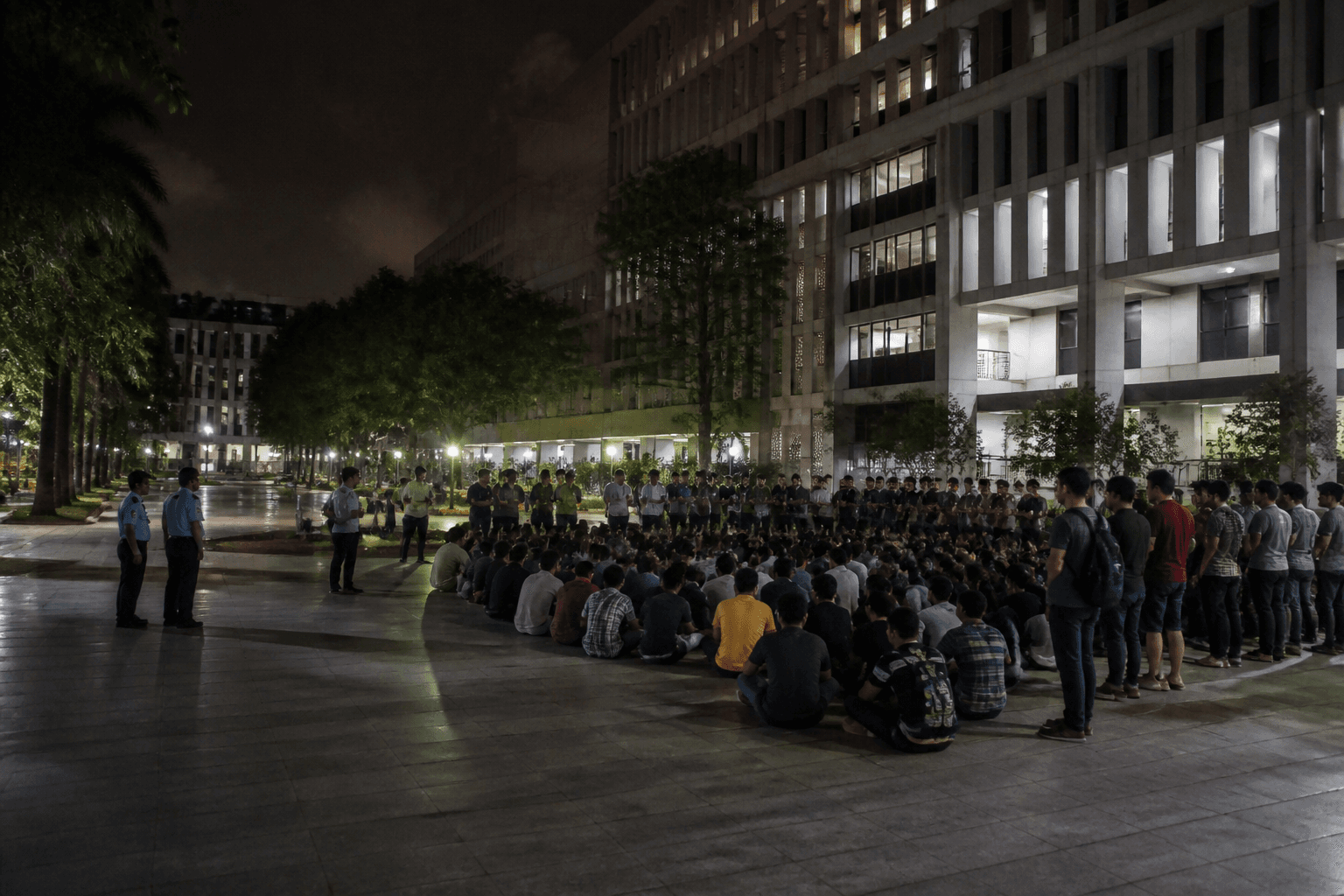
Youth-led protests have long influenced politics and policy, while modern news and social media have changed how movements organize and reach the public. In India, students have mobilized over women’s safety after a gang rape near Delhi’s Aastha Kunj Park, with marchers demanding freedom from gender-based violence; some concealed their faces because they feared their images would be misused online. Separate student protests in New Delhi followed exam controversies and a chief justice’s disparaging comparison of unemployed young people to cockroaches, with demonstrators demanding accountability and the education minister’s resignation. Commentary on the protests describes citizens, creators and young reporters documenting events amid pressure on conventional media, while stressing that online activity cannot replace independent journalism.
Key Points
1
The Delhi women’s-safety march began at Shri Ram College of Commerce before students from Kamla Nehru College and Gargi College joined; many protesters made signs from grocery delivery bags and chart paper.
2
Columnist Ritu Kapur wrote that student Abhijit Dipke, studying in Boston, created the satirical Cockroach Janta Party page in response to the chief justice’s remarks; it attracted more than 22 million followers.
3
Kapur said the exam-material leak led to at least 17 student suicides, while thousands faced uncertainty over reassessed school exam results.
4
According to Kapur’s account, the Jantar Mantar rallies lasted seven weeks and included hunger strikes. On July 20, police used tear gas and batons when protesters attempted to march to parliament; she also described internet shutdowns and restrictions on food and water supplies.
Sentiment
Mostly NegativeNEGATIVENEUTRALPOSITIVE
Publishers
18
Articles
9
Reach
27
A
AnonymousAuthor