Auto Tech Supply Shift
Automakers Rush to Replace Chinese Vehicle Technology Amid New Federal Supply Chain Rules
Anonymous
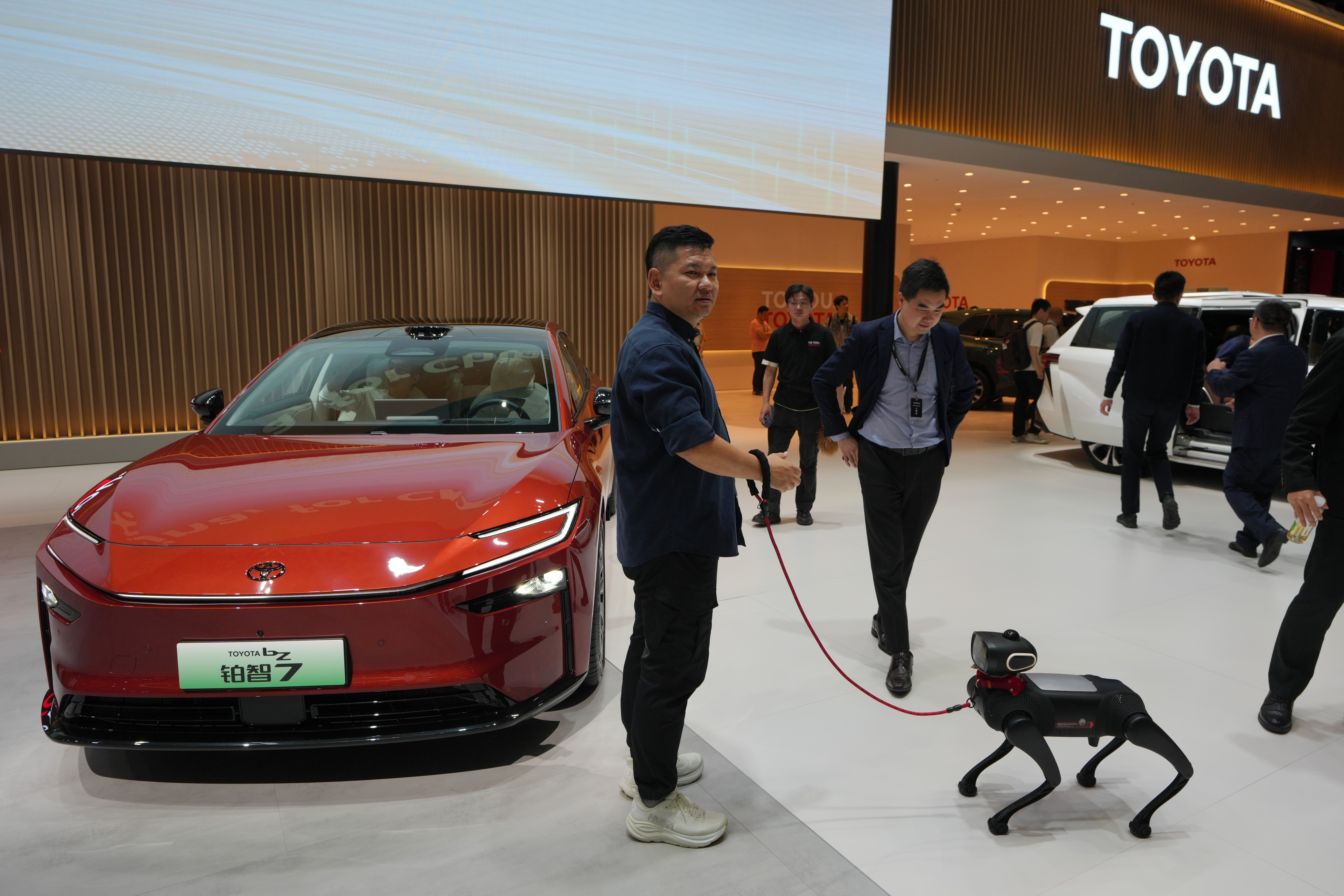
U.S. automakers are rushing to swap out Chinese-made vehicle technology before new federal rules take effect, according to Dothan Eagle. The rules ban certain Chinese connected-car software and hardware from American vehicles, forcing a rapid overhaul of supply chains across the industry.
The push is already reshaping smaller companies. Eagle Wireless, an electronics maker, is actively preparing to replace Chinese vehicle hardware in response to the new ban, News 8000 reported. Compliance deadlines are looming, and suppliers across the country are scrambling to find alternatives.
Federal Rule Bans Chinese Connected-Car Tech
The federal rule at the center of this scramble targets connected-car technology — systems that link vehicles to the internet, GPS networks, and other devices. The rule bars Chinese-made software and hardware from these systems in U.S. cars. Automakers that do not comply face penalties, according to Kearney Hub.
Connected-car systems handle everything from navigation to real-time traffic updates. U.S. officials have raised concerns that Chinese-made components in these systems could pose national security risks. The rule reflects a broader effort by Washington to limit China's role in critical American technology.
Eagle Wireless Leads Smaller Suppliers in Pivot
Eagle Wireless is one of the first companies to publicly prepare for the switch. The electronics maker is working to replace its Chinese-sourced vehicle hardware with alternatives, Crossroads Today reported. The company's move signals how deeply the rule is rippling through even mid-sized suppliers.
Small and mid-sized suppliers often rely heavily on Chinese parts because they are cheap and widely available. Finding new sources — often in the U.S., Mexico, or South Korea — can take months and cost significantly more. That cost pressure is hitting suppliers at every level of the auto industry.
Supply Chain Overhaul Puts Deadlines in Focus
Automakers are not just swapping one part for another. Replacing Chinese tech often means redesigning whole systems to work with new hardware. That takes time — and the compliance clock is ticking, according to Dothan Eagle. Industry experts warn that some manufacturers may struggle to meet the deadlines.
The auto industry's supply chain for connected-car parts is deeply tied to China. Chinese suppliers have dominated the market for years, offering low costs and fast delivery. Building an alternative supply base from scratch is a massive undertaking, and it is happening under serious time pressure.
Broader Push to Cut China Out of U.S. Tech
The connected-car rule is part of a wider U.S. effort to reduce dependence on Chinese technology. Washington has already moved to restrict Chinese chips, telecom equipment, and drones. Vehicles are the latest front in that campaign, according to Star Herald.
For automakers, the stakes are high. Cars are increasingly software-driven machines. The connected systems inside them collect location data, driver behavior, and more. U.S. officials argue that keeping Chinese hardware out of those systems is essential to protecting American privacy and national security.
Sentiment
NeutralNEGATIVENEUTRALPOSITIVE
Publishers
6
Articles
5
Reach
6
A
AnonymousAuthor


