Ukraine Peace Proposal
Russia Urges US Administration to Weigh Battlefield Realities in Ukraine Peace Talks
Anonymous
Key Points
1
Ryabkov questioned whether Washington would remain “within the bounds of reason” and resist political convenience or pressure from opponents of an agreement, leaving several issues about how to end the war unresolved.
2
Witkoff and Kushner’s visit follows a trip to Moscow by CIA Director John Ratcliffe 10 days earlier, where he met with the heads of Russian intelligence agencies.
3
The diplomatic push comes as peace efforts have stalled amid Washington’s war with Iran, while Russia and Ukraine have intensified long-range attacks, pushing civilian casualties to their highest levels since the conflict began.
4
The U.S. envoys are expected to meet Russian President Vladimir Putin in Moscow before traveling to Kyiv on Sept. 6 for talks with Ukrainian President Volodymyr Zelensky.
5
Witkoff and Kushner have previously participated in negotiations over ceasefires in Gaza and Iran and have made several trips to Moscow as part of earlier diplomatic efforts.
Russia is pushing the U.S. to accept what it calls battlefield realities in any Ukraine peace deal, claiming conditions are shifting against Kyiv. Antiwar reported that Deputy Foreign Minister Sergei Ryabkov questioned whether Washington would stay "within the bounds of reason" ahead of planned visits by U.S. Special Envoy Steve Witkoff and Jared Kushner to Moscow and Kyiv. President Trump said the envoys would present a proposal and suggested meaningful progress was possible, though major disagreements over settlement terms remain unresolved.
The diplomatic push comes as peace efforts have stalled amid broader U.S.-Iran tensions. Bloomingbit noted that Russia and Ukraine have intensified long-range attacks, pushing civilian casualties to their highest levels since the war began in 2022. The visits follow a Moscow trip by CIA Director John Ratcliffe just 10 days earlier, when he met with Russian intelligence chiefs.
Trump Envoys Move Between Moscow and Kyiv
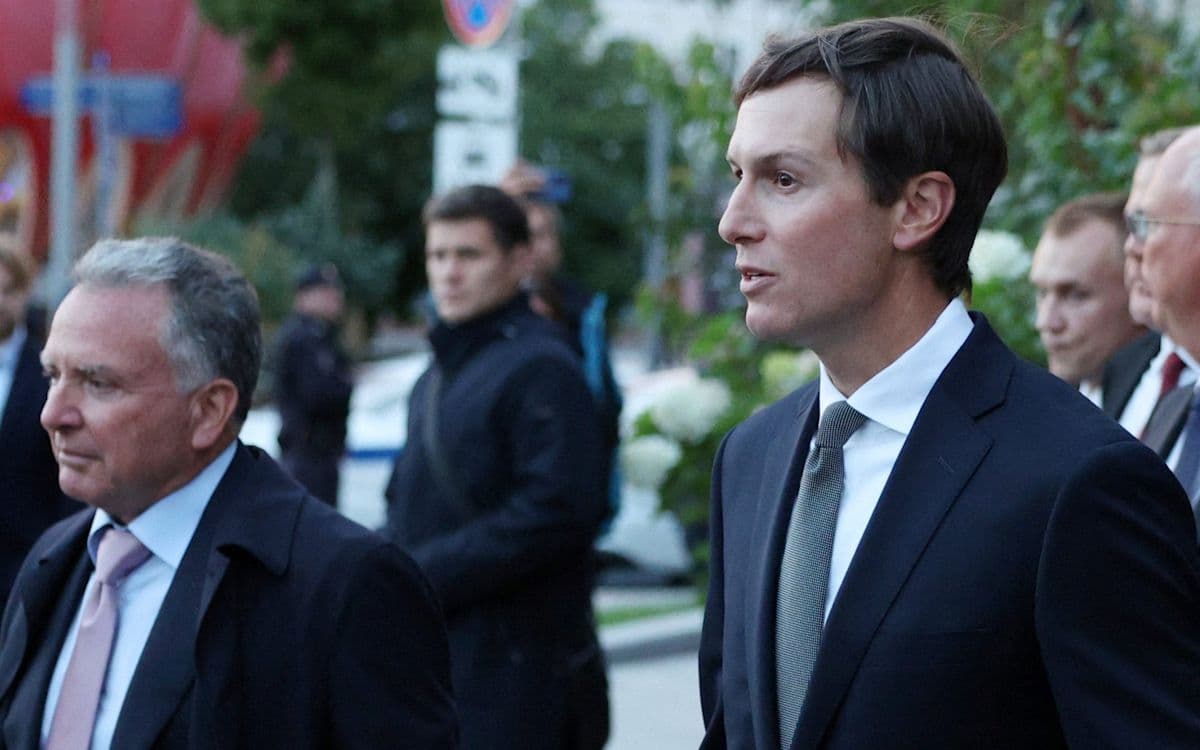
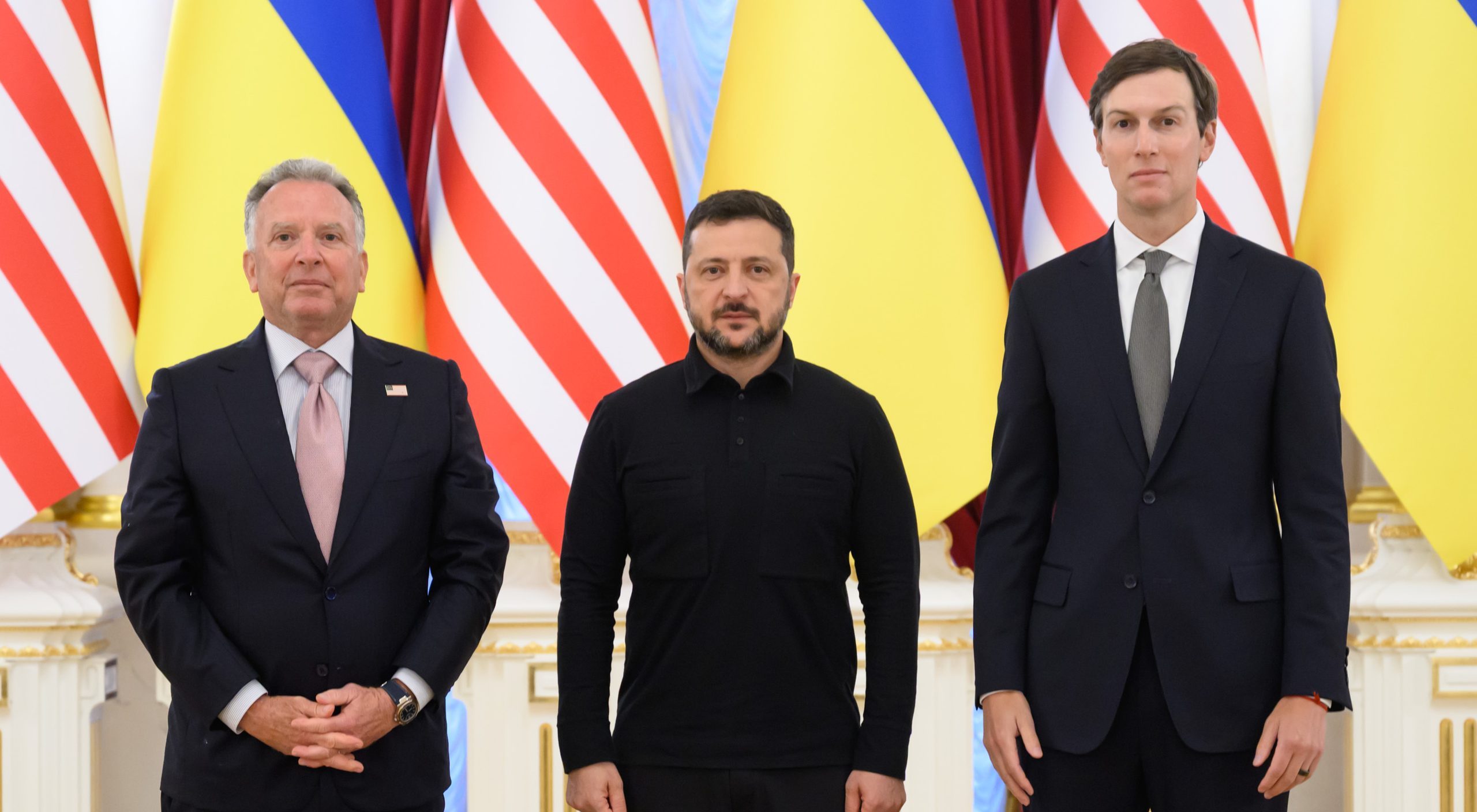
Witkoff and Kushner are expected to meet Russian President Vladimir Putin in Moscow before traveling to Kyiv on September 6 for talks with Ukrainian President Volodymyr Zelensky. Antiwar reported this marks the first time the envoys have visited Kyiv in their diplomatic role. Both men have previously negotiated ceasefires in Gaza and Iran and have made multiple trips to Moscow as part of Trump administration peace efforts.
Everett Post reported that after meeting Zelensky, Witkoff hailed "very meaningful discussions" on the Ukraine-Russia war. The talks followed the Moscow meetings, suggesting the envoys are testing positions with both sides before presenting a unified proposal.
Russia Demands West Face Military Ground Realities
Ryabkov's comments reflect Moscow's strategy of presenting the conflict as militarily decided in Russia's favor. He urged the U.S. to resist "political convenience or pressure from opponents of an agreement" when setting peace terms. This signals Russia intends to use its current battlefield position as leverage in negotiations.
Ukrainian officials, however, worry the war could stretch through another winter without a settlement. Bloomingbit reported that Kyiv is holding follow-up talks with Trump about ending the conflict and securing future military support. The gap between Russian confidence and Ukrainian caution shapes the core disagreement in talks.
Civilian Toll Reaches New Peak Amid Stalled Talks
Long-range attacks by both Russia and Ukraine have driven civilian casualties to their highest point since the conflict began. The intensified strikes underscore the human cost of prolonged negotiations. A settlement remains the most direct path to stopping the civilian deaths, yet disagreements over ceasefire terms and territory have prevented a breakthrough.
Trump has signaled optimism about reaching a deal. He stated the envoys would present a proposal to both sides and suggested "a meaningful chance of progress." Yet both Russia and Ukraine maintain conflicting demands about territory, security guarantees, and NATO membership—issues that could derail talks regardless of diplomatic effort.
Sentiment
Mostly NegativeNEGATIVENEUTRALPOSITIVE
Publishers
39
Articles
159
Reach
198
A
AnonymousAuthor