Iran President Rejects US Regional Policeman Role
Iran President Rejects US Regional Policeman Role
Anonymous
Key Points
1
Iran’s war with the United States began on February 28 after U.S.-Israeli strikes killed Iran’s supreme leader, according to the reports.
2
Before the conflict, the Strait of Hormuz carried roughly one-fifth of the world’s oil; Iran now requires vessels to obtain permission to transit and is considering charging service fees.
3
The reports say ships that fail to comply with Iran’s transit requirements have been targeted by Iranian strikes, while U.S. forces have periodically bombed Iran’s coastline to contest Tehran’s control of the waterway.
4
Pezeshkian said Iran retaliated against the initial strikes with attacks across the region before imposing its blockade of the Strait of Hormuz.
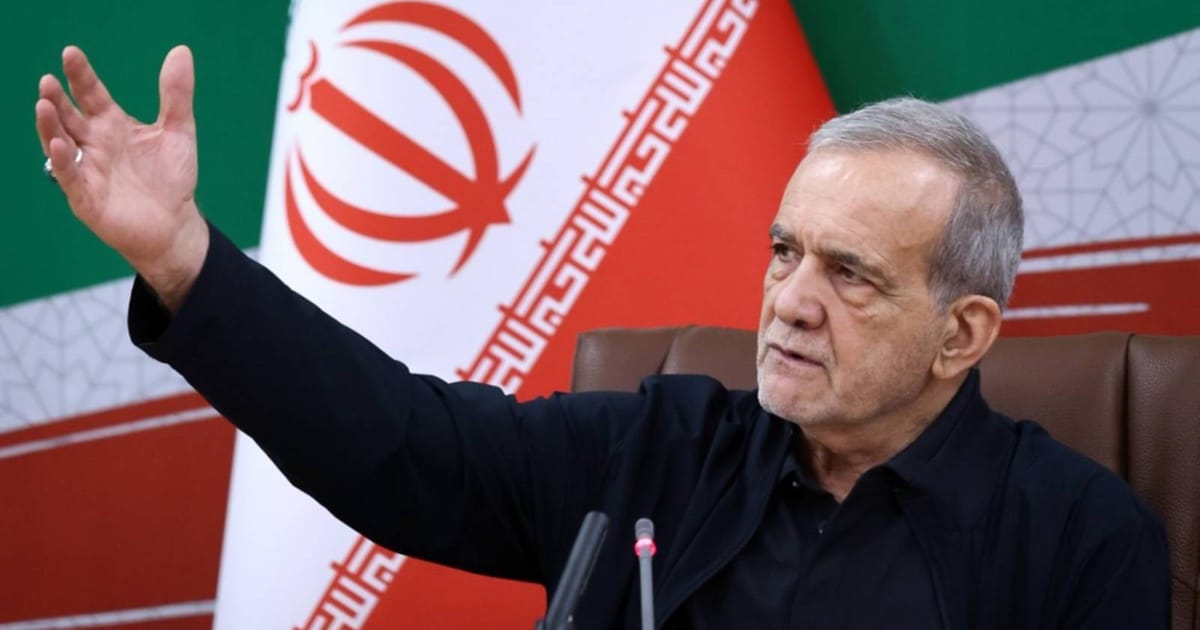
Iranian President Masoud Pezeshkian rejected the U.S. role as a "regional policeman" in the Middle East, arguing that 21st Century Chronicle that regional countries should protect their own security. His comments came during a meeting with Malaysia's Prime Minister at a BRICS summit in India, as Iran and the United States remain locked in conflict over the Strait of Hormuz. Iran has blockaded the waterway since February 28, disrupting global oil markets and pushing crude above $100 per barrel.
The strategic chokepoint normally carries about one-fifth of the world's oil supply. BarristerNG reported that Pezeshkian stated Iran does not seek prolonged war and views peace as its priority, despite the ongoing territorial dispute with Washington over this critical shipping lane.
How the Conflict Over Hormuz Began
The war between Iran and the United States erupted on February 28 after coordinated U.S.-Israeli strikes killed Iran's Supreme Leader. Free Malaysia Today reported that Pezeshkian said Iran responded with regional attacks before imposing its blockade of the Strait of Hormuz. The waterway separates Iran from Oman and connects the Persian Gulf to the Arabian Sea.
Iran's New Rules for Strait Passage
Since seizing control of the Strait, Iran now requires ships to obtain permission before transit and is considering charging service fees. Al Jadeed reported that vessels failing to comply with Iran's requirements have faced Iranian strikes. The blockade has severely disrupted energy markets worldwide.
U.S. Military Contests Iran's Control
The United States has challenged Tehran's blockade by periodically bombing Iran's coastline and challenging transit restrictions. 24 News HD reported that Pezeshkian said the Middle East has no need for U.S. military intervention. The showdown over Hormuz remains the central flashpoint in the broader Iran-U.S. conflict.
Sentiment
Mostly NegativeNEGATIVENEUTRALPOSITIVE
Publishers
16
Articles
15
Reach
31
Topics
A
AnonymousAuthor


