New Visa Curbs Targeting Birth Tourism
Secretary of State Marco Rubio Announces Visa Curbs Targeting Birth Tourism Networks
Anonymous
Key Points
1
Section 212(a)(3)(C) is a foreign-policy provision that allows the secretary of state to deem a person inadmissible when there are reasonable grounds to believe the person’s entry or proposed activities could have potentially serious adverse foreign-policy consequences for the United States.
2
The administration’s latest move follows the Supreme Court’s June rejection of President Trump’s executive order seeking to end automatic birthright citizenship for children of birth tourists and undocumented immigrants, prompting officials to pursue alternative measures.
3
The announcement came hours before Chinese President Xi Jinping’s scheduled White House state visit. Federal efforts have focused particularly on Chinese birth-tourism operations, including cases involving clients traveling to West Coast clinics and Saipan.
4
Rubio said the networks charge foreign nationals tens of thousands of dollars to arrange U.S. births and coach them to lie on visa applications, characterizing the practice as the commercial sale of U.S. citizenship.
5
The State Department’s action is part of a broader sequence of measures: President Trump’s executive order signed on his first day back in the White House directed the Departments of State and Homeland Security to deny visas, revoke travel authorizations and expel people entering the country for birth tourism, though a federal judge later blocked its enforcement.
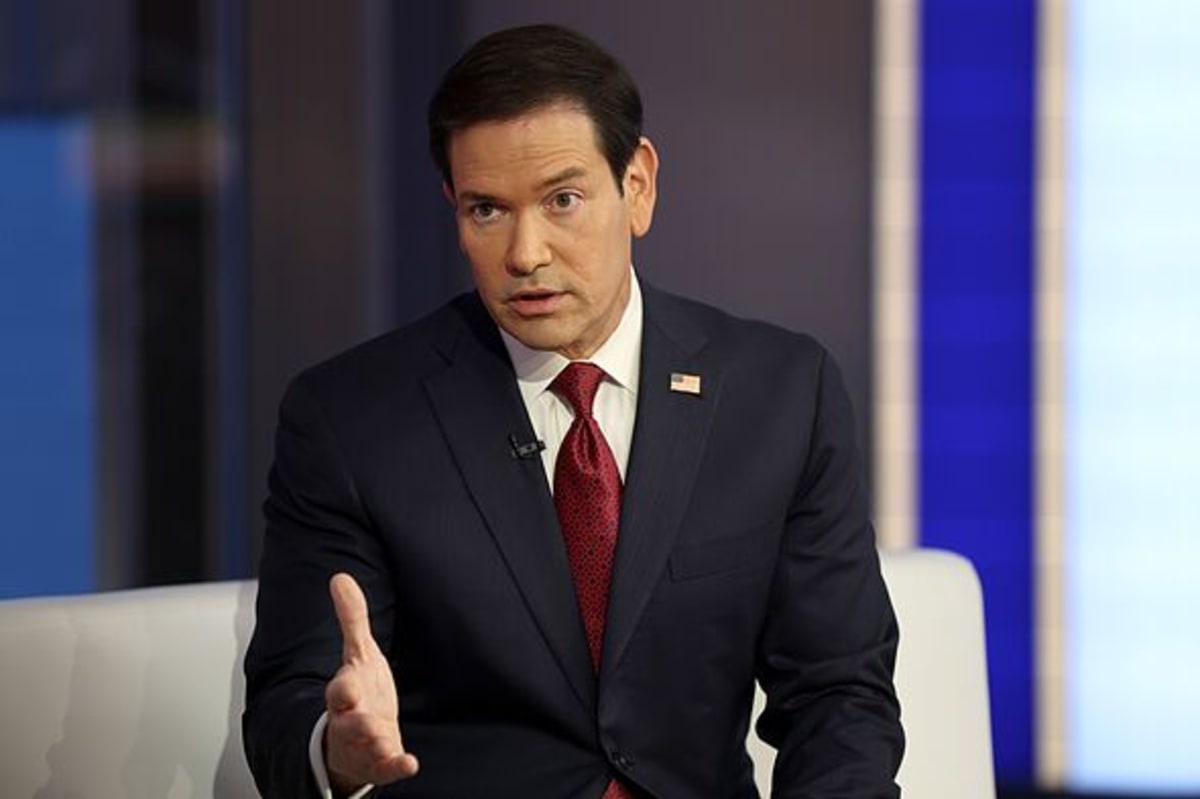
Secretary of State Marco Rubio announced new visa restrictions targeting people who organize or profit from birth tourism, the practice of traveling to the US to give birth so children gain citizenship. Secretary Rubio said the networks charge tens of thousands of dollars and coach foreign nationals to lie on visa applications, calling it the "commercial sale of U.S. citizenship."
The policy uses a foreign-policy rule that lets the State Department block entry when someone's presence could harm US interests. NDTV reported the move targets network owners, visa coaches, and medical providers who facilitate the travel. The announcement came hours before China's president visited the White House, as federal efforts have focused heavily on Chinese birth-tourism operations.
Why Trump's First Birthright Citizenship Ban Failed
President Trump signed an executive order on his first day back in office to deny visas to birth tourists and expel people entering for this purpose. Financial Express reported the order also directed officials to revoke travel authorizations. But a federal judge blocked its enforcement, forcing the administration to find another legal path to restrict the practice.
In June, the Supreme Court rejected Trump's earlier effort to end automatic birthright citizenship for children born to birth tourists and undocumented immigrants. The visa restriction policy announced today uses a different legal tool—a foreign-policy provision—to avoid the same constitutional challenges.
Who Gets Blocked Under the New Rules
The restrictions apply to birth-tourism network owners and managers who advertise and organize the trips. Indica News reported the policy also covers visa "fixers" who coach applicants to commit fraud, foreign medical providers who help arrange the travel, and others who enable the scheme. Some family members of network operators may also face visa bans.
The policy is broad by design, targeting anyone with "reasonable grounds" to believe they facilitate birth tourism. NTD noted the restrictions can block visas, revoke existing travel authorizations, and prevent entry. Rubio framed the action as protecting U.S. citizenship, public benefits, taxpayers, and national security.
China's Birth Tourism Operations Draw Federal Focus
Federal enforcement has concentrated on Chinese birth-tourism networks, which operate clinics on the West Coast and in Saipan. The timing of Rubio's announcement—hours before Chinese President Xi Jinping's state visit—signals the administration's priority in addressing what it sees as a coordinated, profitable scheme from China.
What Birth Tourism Networks Allegedly Do
Birth tourism networks charge foreign nationals tens of thousands of dollars to arrange U.S. births and obtain citizenship for their children. AOL reported that Rubio alleges the networks coach applicants to lie on visa forms about their intent to visit. The secretary called the entire operation "the commercial sale of U.S. citizenship," treating it as fraud rather than simply using a legal right to birthright citizenship.
Sentiment
Mostly NegativeNEGATIVENEUTRALPOSITIVE
Publishers
29
Articles
41
Reach
70
A
AnonymousAuthor


