Lake Helen Boil-Water Notice Continues
Lake Helen Boil-Water Notice Continues
Anonymous
Key Points
1
Lake Helen identified the affected site as the city well at 215 W. John Street. The well has been removed from service and will remain offline until follow-up tests determine it is free of contamination; residents with questions can contact US Water Services at 866-753-8292, while people with health concerns are advised to consult a doctor.
2
Residents interviewed in Lake Helen said officials told them laundry, showers and yard care were permitted, but using the dishwasher was not; one resident also said the city’s free bottled-water distribution was particularly important for neighbors who could not afford bottled water.
3
Before lifting Spring Lake’s advisory, officials checked chlorine residuals throughout the system and obtained two negative samples from an affected home, followed by 10 additional systemwide samples—all negative for total coliform bacteria and E. coli.
4
During Spring Lake’s advisory, residents were instructed to boil water for at least one minute or use bottled water for drinking, food preparation, ice, brushing teeth, infant formula, washing produce and dishes, and pet water; they were also told to discard ice made with tap water since Sept. 8.
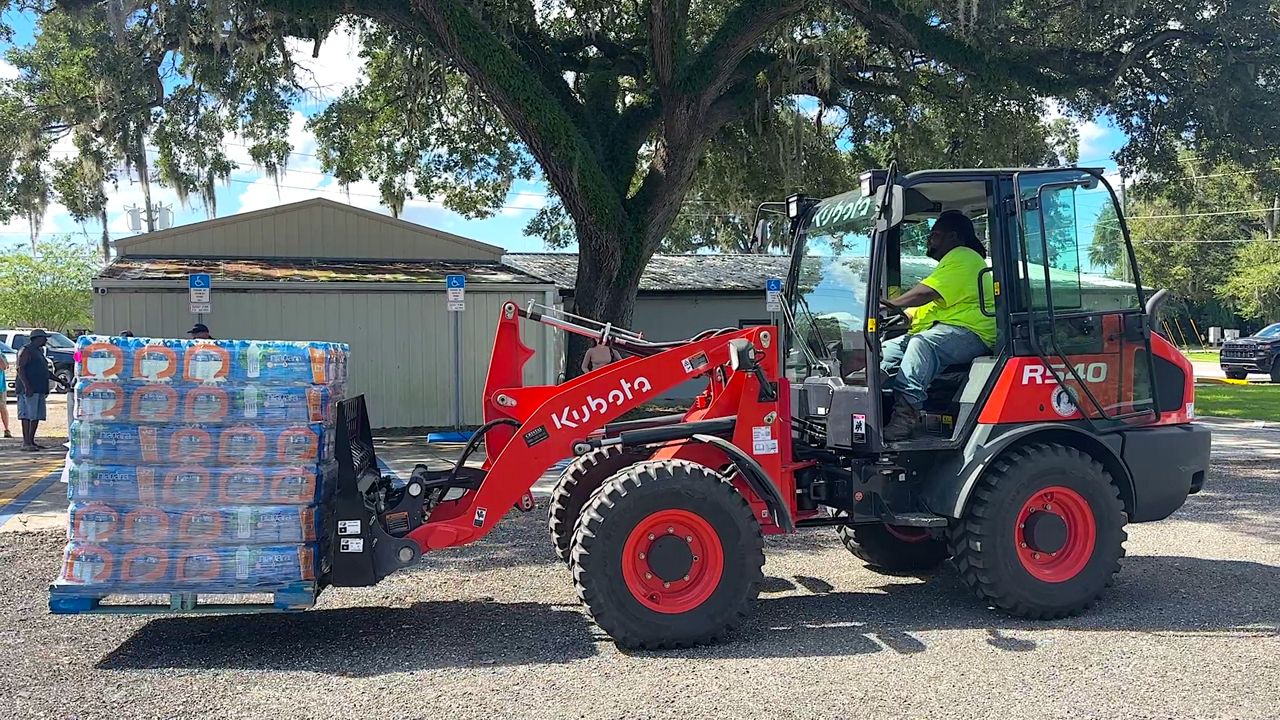
Lake Helen, Florida, is under a citywide boil-water notice after a routine sample from Well No. 2 tested positive for E. coli on September 12. WESH reported the notice has now entered its third day. The city has taken the well offline and is distributing free bottled water to roughly 3,000 residents while officials conduct follow-up testing.
The disruption could continue through Thursday, according to city officials. Residents must boil water for drinking and food preparation, but bathing, laundry, and yard work are generally safe if water is not swallowed. WESH noted that officials previously reversed course on their guidance after initially saying boiling was unnecessary.
Well No. 2 Offline Pending Negative Test Results
City officials identified the contamination source as the well at 215 W. John Street. The well remains offline until follow-up tests confirm it is free of E. coli and other bacteria. Residents with questions can contact US Water Services at 866-753-8292, while those with health concerns should consult a doctor.
City Commissioner Questions Water Service Provider Communications
A city commissioner criticized US Water Services for providing conflicting and inaccurate information throughout the crisis. Earlier guidance stated that boiling was unnecessary after samples from other wells and the distribution system tested negative for bacteria. The city later reversed this position and issued the mandatory boil-water notice.
Free Bottled Water Distributed to Affected Residents
Lake Helen is providing complimentary bottled water to about 3,000 potentially affected residents. One resident said the city's distribution was especially important for neighbors who could not afford to buy bottled water themselves. Residents were told that using dishwashers was prohibited, but laundry, showers, and yard care were permitted as long as water was not ingested.
Spring Lake Lifts Similar Advisory After Negative Tests
In a separate incident, Spring Lake, North Carolina, lifted its boil-water advisory after additional testing showed no contamination. Officials checked chlorine residuals throughout the system and obtained two negative samples from an affected home, followed by 10 systemwide samples—all negative for total coliform bacteria and E. coli. During the advisory, residents were instructed to boil water for at least one minute, discard ice made since September 8, and use bottled water for drinking, food prep, teeth brushing, and pet water.
Sentiment
Mostly NegativeNEGATIVENEUTRALPOSITIVE
Publishers
17
Articles
17
Reach
34
Topics
A
AnonymousAuthor


