Boil Advisories Affect Communities in Three States
Boil Advisories Affect Communities in Three States
Anonymous
Key Points
1
Kansas health guidance says residents should discard existing ice and avoid using household automatic icemakers during the advisory; tap water that appears dirty should be flushed until it runs clear, and food-contact surfaces can be disinfected with a gallon of clean tap water mixed with one teaspoon of unscented household bleach.
2
In Groveland, the pump failure occurred shortly after 5 a.m. at the Sunshine Water Plant, affecting pressure along the Wilson Lake corridor; crews were still working at 6:45 a.m. to restore pump operations and normal pressure.
3
Lake Helen officials said no positive E. coli test had been found in the distribution system and that the affected well showed no obvious damage or holes in drone footage; the cause of the contamination remained unknown.
4
Effingham County scheduled the South Brook Subdivision outage from 10 p.m. Wednesday to 5 a.m. Thursday and said the system would be thoroughly flushed after well-component replacement before returning to full service. The county also cited CDC guidance to use boiled or bottled water for pets, baby formula, washing food and making ice.
5
The Pomona advisory also applies to restaurants, which were told to follow precautions such as discarding ice and disinfecting food-contact surfaces; the notice will remain in effect until the waterline-break problem is repaired.
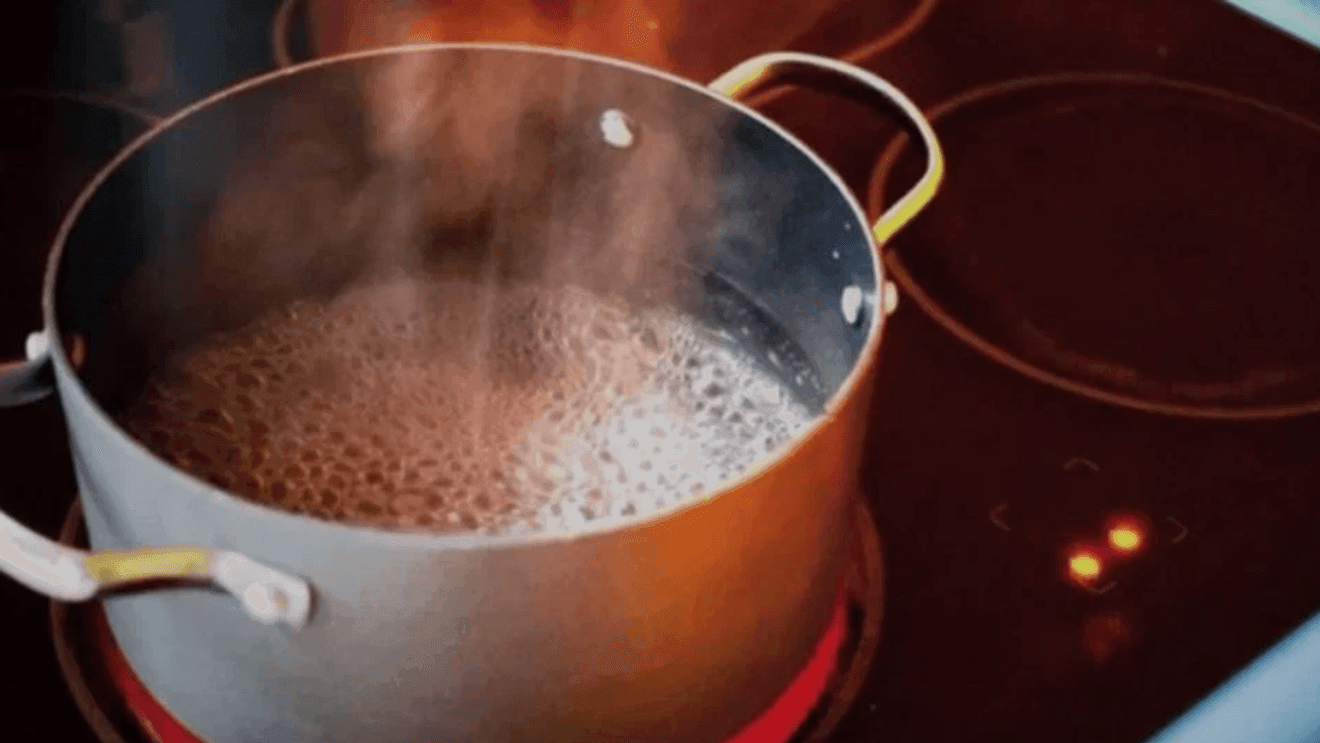
Boil-water advisories are affecting hundreds of thousands of residents across Kansas, Florida, and Georgia due to power failures, pump breakdowns, and bacterial contamination. Kansas.com reports that Wichita issued an advisory after its water treatment plant lost power, potentially affecting about 17% of Kansas's population. In Florida, Groveland and Lake Helen both issued advisories—one from a pump failure, the other after E. coli was detected in a well. Residents are urged to use boiled or bottled water for drinking, cooking, and food preparation until officials confirm the water is safe.
Wichita's Power Loss Triggers Mass Advisory
Wichita's water treatment plant lost power on Wednesday morning, causing system pressure to drop dramatically. The power failure forced the city to issue a boil-water advisory affecting nearly all of its customers. Kansas.com states the advisory impacts about 17% of Kansas's entire population. The Kansas Department of Health and Environment must approve lifting the advisory after laboratory testing confirms the water is safe to drink again.
Florida Communities Battle Pump Failures and E. Coli
Groveland, Florida, issued a boil advisory for northern neighborhoods after the Sunshine Water Plant experienced a pump failure shortly after 5 a.m. The failure caused water pressure to drop along the Wilson Lake corridor. Crews were working to restore pump operations and normal service pressure throughout the morning.
Lake Helen, Florida, must maintain its boil advisory for several more days after E. coli was detected in one well. Officials said no positive E. coli test appeared in the distribution system, and drone footage showed no obvious damage to the well. The city requires two consecutive days of negative laboratory tests before lifting the notice. The cause of the contamination remains unknown.
Planned Maintenance and Waterline Breaks in Georgia and Kansas
Effingham County, Georgia, announced a planned overnight outage and boil advisory for South Brook Subdivision during well-component replacement. The outage ran from 10 p.m. Wednesday to 5 a.m. Thursday. After replacement, the system will be thoroughly flushed before returning to full service. County officials cited CDC guidance requiring residents to use boiled or bottled water for pets, baby formula, washing food, and making ice.
Pomona, Kansas, issued a boil advisory after a waterline break caused water pressure to drop. The advisory applies to all residents and restaurants in the affected area. Restaurants were instructed to discard ice and disinfect food-contact surfaces. The notice will remain in effect until crews repair the waterline break.
Safety Steps for Residents During Boil Advisories
Residents in affected areas should discard any existing ice and avoid using automatic icemakers during advisories. Tap water that appears dirty should be flushed until it runs clear. Food-contact surfaces can be disinfected with a gallon of clean tap water mixed with one teaspoon of unscented household bleach. The precautions apply to drinking, cooking, brushing teeth, and preparing baby formula or pet food until officials confirm the water is safe.
Sentiment
Mostly NegativeNEGATIVENEUTRALPOSITIVE
Publishers
73
Articles
47
Reach
120
Topics
A
AnonymousAuthor


