Surveillance Privacy Debate
St. Clair Shores covers Flock cameras and pauses use over privacy and data concerns.
Anonymous
Key Points
1
St. Clair Shores approved a five-year contract with Flock in April 2025, before the council voted to cover the cameras.
2
Council members said residents’ feedback changed some supporters’ views. Council Member Linda Bertges called covering the cameras a “drastic measure” intended to show residents the city was listening.
3
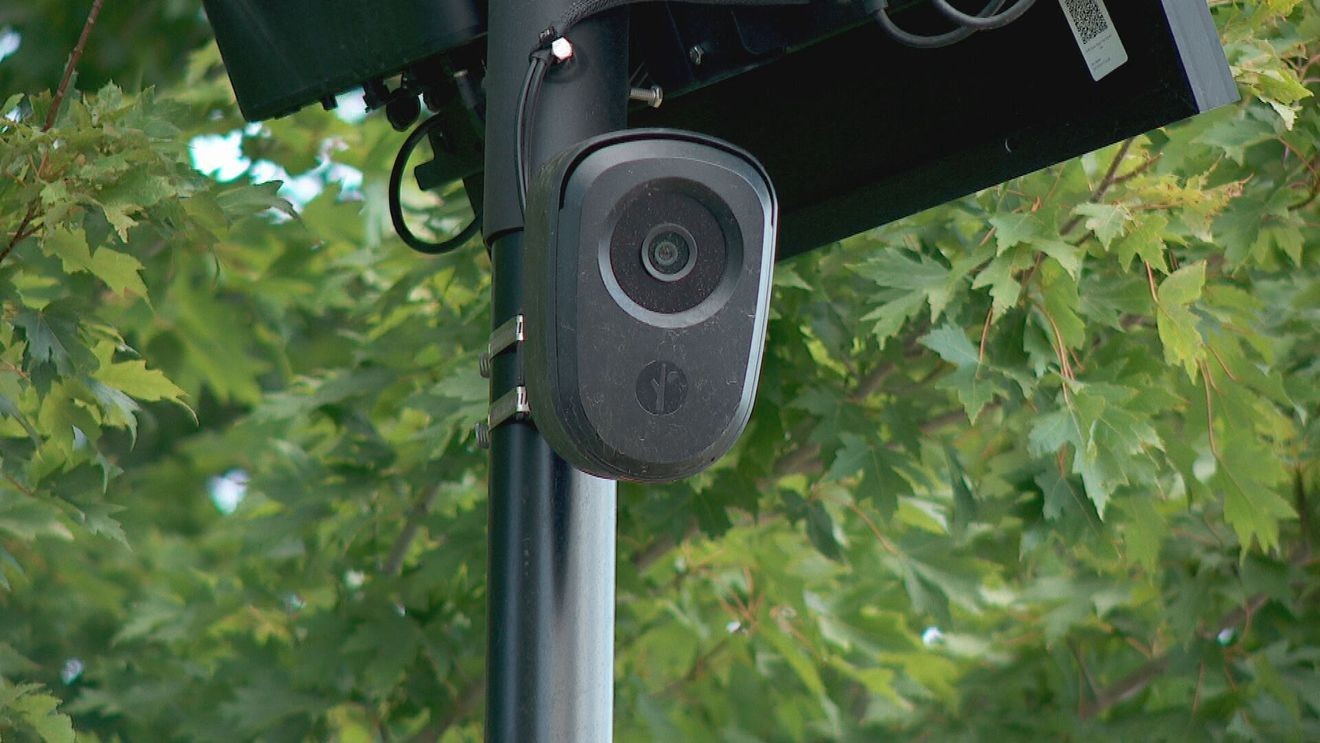
Police Chief Jason Allen said the cameras capture still images of vehicles—including make, model, color and license plate—and do not use facial recognition, monitor people or detect speeding. He said they face inward and photograph the rear of vehicles entering the city.
4
Resident opinions were divided: Ron Rose said the cameras might help bring justice after a serious crime, while Ron Colasanti said he distrusted how police might use the collected information.
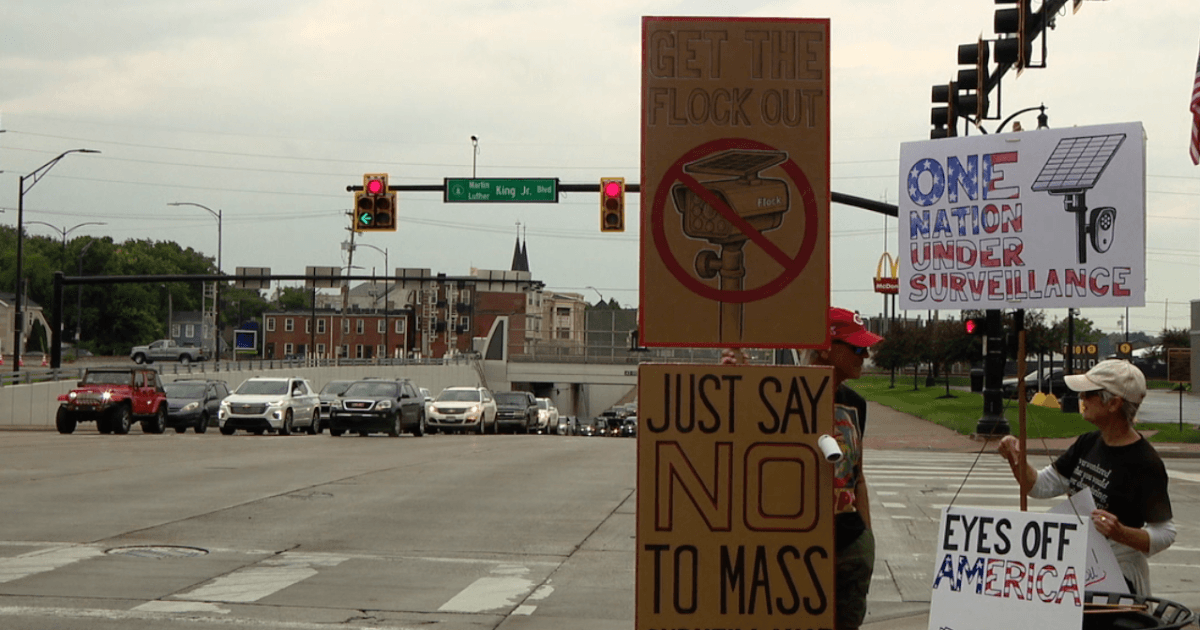
St. Clair Shores, Michigan, has covered all 12 of its Flock license-plate reader cameras and paused their use for six months after residents raised alarm over privacy, data misuse and tracking concerns WJR. The city council voted unanimously in September 2026 to bag the cameras—a step council members called a "drastic measure" to show residents they were listening. Police say the cameras helped produce over 40 arrests and recover stolen vehicles, with strict audit controls, but the city plans to revisit its contract in March 2027 WJR.
The pause reflects a national backlash. A U.S. Senate Judiciary subcommittee hearing in September featured testimony from an ACLU representative, a security researcher, and a woman who spent 13 days jailed after a Flock camera falsely linked her vehicle to a crime WJR. Similar debates are now playing out in Watsonville, California; League City, Texas; Willmar, Minnesota; and Laredo, Texas, as municipalities grapple with whether the surveillance benefits justify the privacy risks WJR.
Why St. Clair Shores Hit Pause
In April 2025, St. Clair Shores approved a five-year contract with Flock Safety for 12 automated license-plate reader cameras, funded through drug forfeiture accounts. Months later, dozens of residents flooded council meetings demanding the program be suspended. They worried the cameras could track innocent people, be misused by officers, or share data across police jurisdictions without public oversight WJR.
On September 21, the council voted unanimously to physically cover all cameras and pause operations for six months. Council Member Linda Bertges called it a "drastic measure" meant to signal the city was "really hearing" residents WJR. Police Chief Jason Allen defended the cameras as tools that capture only still rear-view images—not facial recognition or speed data—with all searches logged and audited monthly WJR.
Senate Panel Hears Stories of Wrongful Arrests
On September 23, a U.S. Senate Judiciary subcommittee held a hearing titled "Always Watching: Flock's Nationwide AI Surveillance Network." Lindsey Isaacs testified that a Flock camera falsely identified her vehicle as connected to a fatal Florida crash. She spent 13 days in jail on eight felony charges before the error was discovered WJR. The subcommittee also heard from ACLU officials and security researchers warning of unchecked data sharing across state and local police agencies WJR.
Flock Safety CEO Garrett Langley declined to testify in person. In a letter read by Senator Josh Hawley, Langley acknowledged that Flock "conducts very little oversight of client searches and instead relies on its clients to police themselves." Senator Dick Durbin warned about federal agencies potentially bypassing local privacy laws by gaining access to Flock data through administrative subpoenas WJR.
Other Cities Reassess Their Camera Networks
St. Clair Shores is not alone. League City, Texas, is forming a citizen-led committee to review its Flock cameras CommunityImpact. Willmar, Minnesota, is reviewing its contract over concerns the system tracks people not suspected of crimes. Watsonville, California, is also reconsidering its contract, though police there say audits found zero officer misuse WJR.
In Laredo, Texas, the city approved moving toward a nonbinding referendum on continuing Flock funding if state support becomes unavailable after Governor Greg Abbott paused state grant money WJR. Officials plan public information sessions, though they note a referendum would not resolve existing contract obligations and could cost about $170,000. No vote date has been set WJR.
The Core Tension: Safety vs. Surveillance
Police departments defend Flock as a vital tool. The St. Clair Shores cameras produced over 40 arrests and helped recover stolen vehicles WJR. Chief Allen stressed that the cameras do not monitor individuals and that all database searches require legitimate case numbers and monthly audits. Law enforcement argues the system is an objective force multiplier WJR.
Privacy advocates counter that Flock creates an unconstitutional, warrant-less dragnet. They worry about inter-agency data leaks, officers stalking ex-partners, tracking people seeking out-of-state reproductive care, and false-positive misidentifications like Lindsey Isaacs experienced. The debate hinges on whether the benefits justify cataloging the daily movements of millions of innocent drivers WJR.
Sentiment
Mostly NegativeNEGATIVENEUTRALPOSITIVE
Publishers
44
Articles
101
Reach
145
A
AnonymousAuthor