Belarus Potash Trade Deal
Trump Pursues Belarus Potash Deal to Lower Fertilizer Costs for U.S. Farmers
Anonymous
Key Points
1
In March 2026, the U.S. Treasury’s sanctions office removed Belaruskali and the Belarusian Potash Company from its sanctions list after negotiations with Minsk and the release of 250 prisoners, removing a major legal obstacle to potential purchases.
2
A significant logistical hurdle remains: Belarusian potash shipments through Lithuania’s Klaipėda port were halted after sanctions were imposed in 2022, and Lithuania’s foreign minister said Vilnius had no intention of discussing a resumption of supplies.
3
Washington has reportedly asked Ukraine, Poland and Lithuania to consider easing restrictions and restoring transit routes for Belarusian potash, potentially allowing shipments to reach the United States while bypassing Russia.
4
The diplomatic rapprochement also produced a separate humanitarian concession in December 2025, when Belarus released 114 civilians, including five Ukrainians, following negotiations facilitated by the Trump administration.
5
Belarus’s strained relationship with Washington dates back decades: Alyaksandr Lukashenka expelled the U.S. ambassador in the 1990s after dissolving parliament and seizing executive power, and expelled another ambassador in 2008 after Washington tightened sanctions over human-rights abuses.
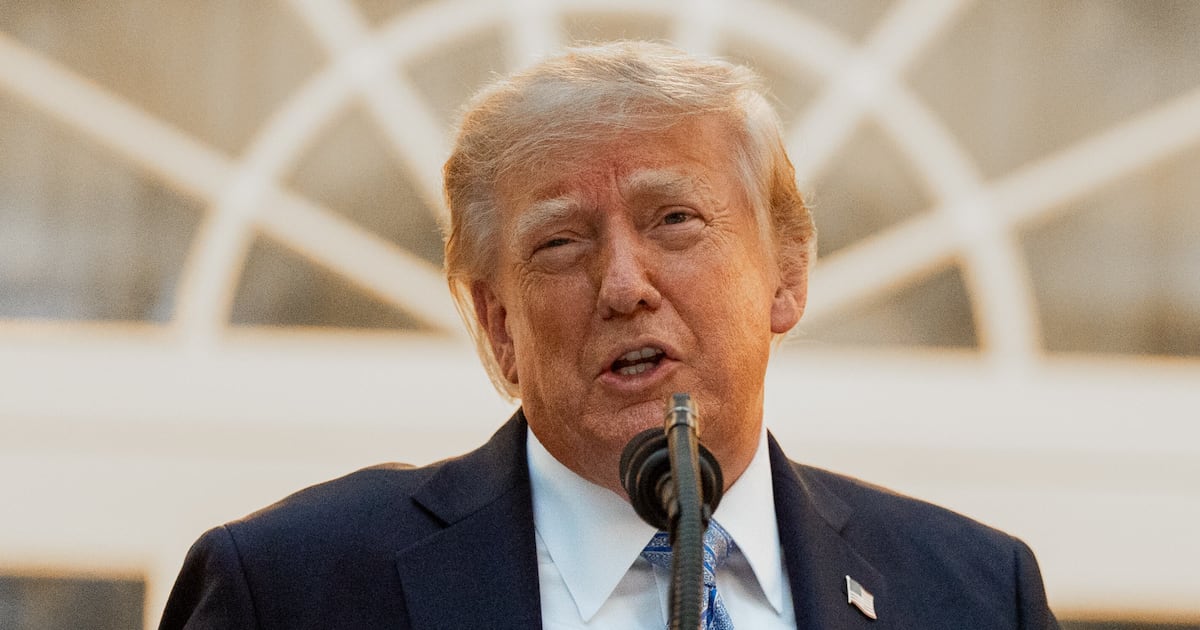
President Donald Trump is negotiating a major deal to buy potash from Belarus at substantially lower prices than Canada charges, he announced on September 21, 2026. Kyiv Independent The move aims to ease fertilizer costs for American farmers caught in an escalating U.S.-Canada trade war marked by 50% tariffs. However, the deal remains preliminary with no announced purchase volume, price or delivery timeline.
The initiative represents a dramatic diplomatic shift. In March 2026, the U.S. Treasury removed Belarusian potash companies from sanctions after Reuters reported negotiations yielded the release of 250 political prisoners. But major obstacles remain: Denver Gazette Lithuania blocked potash shipments through its Klaipėda port in 2022 and refuses to reopen transit routes, calling any agreement with the authoritarian Lukashenka regime a security threat.
Trump's Prisoner-Release Diplomacy Clears Legal Barriers
Special Envoy John Coale negotiated three rounds of prisoner releases between December 2025 and September 2026. In December, Belarus freed 114 civilians including five Ukrainians. By March 26, Kyiv Post reported that after 250 more prisoners were released, the U.S. Treasury removed Belaruskali and the Belarusian Potash Company from sanctions, eliminating the main legal obstacle to American purchases. In September, Coale secured 25 additional prisoner releases in exchange for lifting sanctions on two more Belarusian firms.
Human rights groups express concern about this pattern. Lawfare noted that despite prisoner releases, Lukashenka continues arresting dissidents, using political captives as bargaining chips for economic relief. Critics question whether humanitarian concessions will alter Belarus's military alignment with Russia or merely fund the regime without changing its behavior.
Canada's Potash Dominance Now Faces U.S. Alternatives
Canada is the world's largest potash exporter, controlling 33% to 39% of global supply—roughly 22.9 million to 25 million metric tons annually. Canadian Press The U.S. imports over 80% of its potash from Canada, a market worth $4.2 billion yearly. Belarus ranks third globally at 15.9% of supply, making it a theoretically viable alternative source for American farmers seeking cheaper fertilizer.
Saskatchewan's potash sector views the Trump initiative as an existential threat. Premier Scott Moe warned that weaponizing resource exports would force Washington toward alternatives like Belarus. Ontario Premier Doug Ford suggested cutting off potash exports entirely to pressure the U.S., accelerating the shift to Belarusian suppliers that Trump now pursues.
Lithuania Blocks the Crucial Baltic Transit Route
Belarusian potash shipments normally exit through Lithuania's Klaipėda port, but CTV News reported that route was halted after 2022 sanctions. Lithuania's foreign ministry rejected U.S. pressure to reopen it, stating that restoring supplies to a Russian ally is "morally unacceptable." Special Envoy Coale pressed the Baltic nations to reconsider, but Vilnius refused, citing national security concerns tied to Belarus's role in Russia's Ukraine invasion.
Logistics experts warn that workarounds eliminate price advantages. Global News noted that shipping through congested Russian rail lines or long ocean routes would erase any cost savings over direct Canadian rail transport to the U.S. Without Baltic access, the deal's economic case weakens significantly, leaving unclear how Belarusian potash would reach American farms affordably.
A Risky Realignment With an Authoritarian Regime
This deal reverses decades of strained U.S.-Belarus relations. Lukashenka expelled U.S. ambassadors in the 1990s and again in 2008 following human rights sanctions. Insauga reported Trump's framing as strictly economic—lowering agricultural inflation for American farmers. But critics worry the move rewards authoritarianism without guaranteeing behavioral change or breaking Belarus's military bond with Moscow.
The Trump administration emphasizes pragmatism: lower fertilizer costs for farmers and freed political prisoners as humanitarian wins. Yet European allies and NATO members view sanctions relief as moral hazard. UNITED24 Media warned that reopening trade channels offers Minsk hard currency without necessarily weakening its alignment with Russia, potentially weakening Western isolation efforts against both regimes.
Sentiment
Mostly NegativeNEGATIVENEUTRALPOSITIVE
Publishers
28
Articles
56
Reach
84
A
AnonymousAuthor


