Wildfire and Dust Warnings
Canary Islands Issue Extreme Wildfire and Calima Warnings for Visiting Travelers
Anonymous
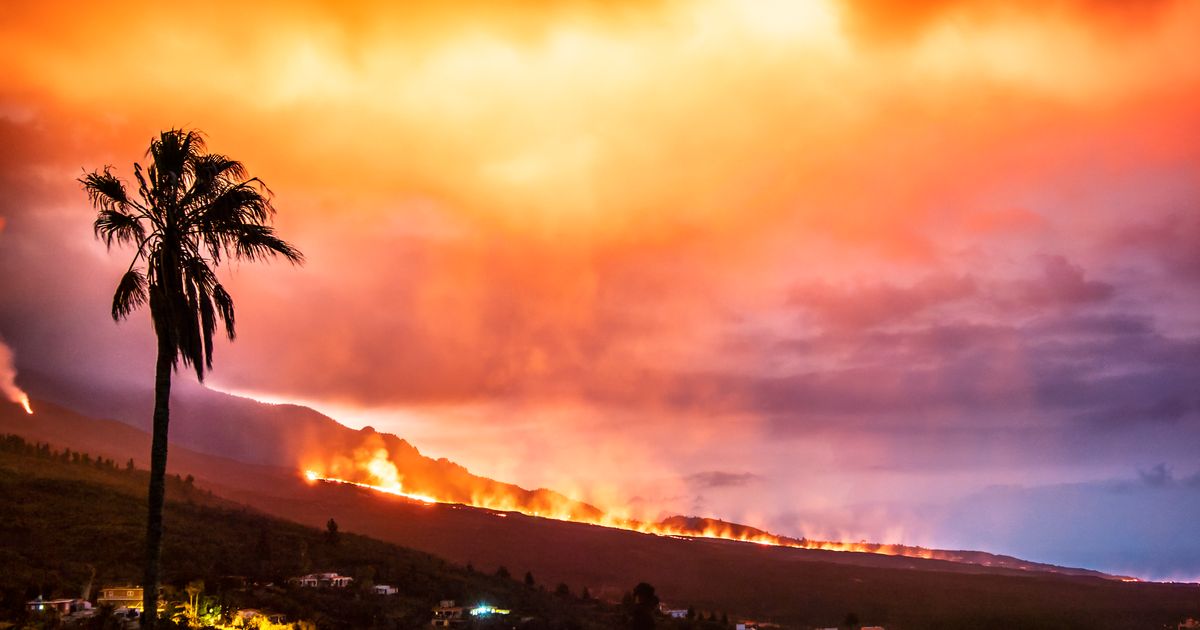
Travelers to Spain’s Canary Islands should monitor local emergency updates as high temperatures, dry conditions and wind have pushed wildfire danger to very high or extreme levels in parts of the archipelago. Authorities have introduced or may expand preventive restrictions, particularly in rural, forested and highland areas, where fires can spread quickly and access rules, road closures or excursions may change with little notice. A separate calima episode beginning September 14 is bringing Saharan dust, reduced visibility and poorer air quality, with Lanzarote and Fuerteventura among the areas likely to be most affected; temperatures remain elevated in several southern and inland zones. The conditions may disrupt hiking, sightseeing and outdoor activities and could contribute to flight or ferry delays, although there is no indication of a blanket travel ban or widespread flight cancellations. Visitors should check airline and local authority updates, avoid strenuous activity during the hottest periods, and follow official instructions if fires or other emergencies develop; under UK passenger rules, eligible travelers generally retain rerouting or refund rights if weather-related cancellations occur.
Key Points
1
The Canary Islands’ emergency bulletin placed a calima pre-alert across the entire archipelago from 00:00 on September 14, 2026; the highest dust concentrations were forecast at low elevations in Lanzarote and Fuerteventura.
2
Tenerife has used “Grado 1” extraordinary preventive measures during high-risk periods, restricting activities and ignition sources around rural and forest interfaces.
3
A municipal update for Santiago del Teide warned that heat and calima could produce highs of about 32–33°C in southern and western uplands and summit areas, with dust often more pronounced inland and at viewpoints than along the coast.
4
The Canary Islands receive more than six million visitors from the United Kingdom each year, making the wildfire risk particularly relevant to travelers departing from UK airports.
5
For UK passengers facing a qualifying long delay, airlines generally must provide food and drink after the applicable threshold and overnight accommodation when required; travelers delayed more than five hours may also choose not to travel and request a refund.
Sentiment
Mostly NegativeNEGATIVENEUTRALPOSITIVE
Publishers
8
Articles
17
Reach
25
A
AnonymousAuthor


