Aspirin Dementia Link
Genetic Analysis Links Low-Dose Aspirin to Lower Dementia Risk in Older Adults
Anonymous
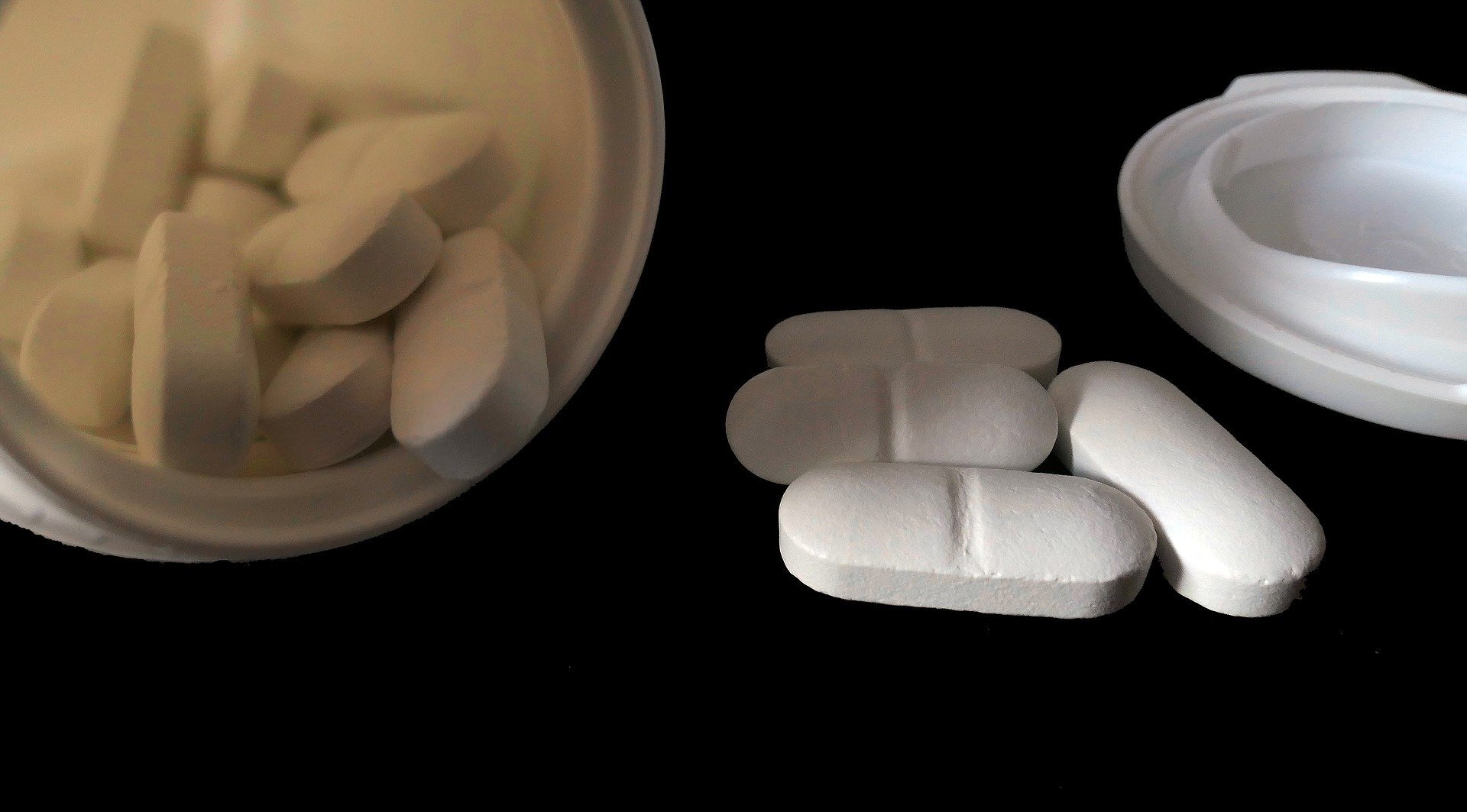
A Monash University analysis of genetic data from more than 13,500 older adults in the ASPREE trial found that low-dose aspirin was associated with about a 70% lower dementia risk among participants whose genetic scores placed them in the top fifth for platelet count: dementia occurred in 1% of aspirin users versus 3.3% of those given a placebo. The researchers said the result suggests genetic factors may help identify people who could benefit, despite earlier trials finding no overall dementia-prevention benefit from aspirin. The apparent benefit came with a higher risk of serious bleeding: major bleeding affected 4.4% of aspirin users in this genetic group, compared with 2.1% of placebo recipients. The findings are an association in a specific subgroup, not evidence that older adults generally should take aspirin to prevent dementia.
Key Points
1
Earlier evidence was largely negative: a major 2020 study of more than 19,000 older adults found no cognitive benefit from daily aspirin after nearly five years of follow-up.
2
The genetic association appeared tied to platelet biology, rather than to the well-known risk factors for Alzheimer’s disease and dementia.
3
Dementia Australia estimates that 446,500 Australians are living with dementia in 2026, and projects that the number will exceed one million by 2065.
Sentiment
Mostly PositiveNEGATIVENEUTRALPOSITIVE
Publishers
5
Articles
8
Reach
13
Topics
A
AnonymousAuthor


