Enterprise Satellite Connectivity
AT&T Teams Up With Amazon Leo to Deliver Enterprise Satellite Connectivity
Anonymous
Key Points
1
Amazon Leo reportedly has 392 satellites in space, including 315 in their intended operational orbits, and has secured industry contracts such as a partnership with Delta Air Lines.
2
Amazon has been conducting enterprise customer tests since November 2025, while Amazon Leo executive Chris Weber said the constellation had deployed enough satellites to begin “initial service” in July.
3
Amazon’s Leo Ultra enterprise terminal is designed as a full-duplex phased-array antenna capable of download speeds of up to 1 Gb/s and can be installed on buildings or positioned on the ground.
4
The Federal Communications Commission granted Amazon a conditional waiver removing the requirement that half of its planned Leo constellation be in orbit by July 30, after previously rejecting the company’s request for a two-year extension.
5
The alliance builds on an earlier AT&T-Amazon cloud arrangement that connects AWS infrastructure with AT&T’s wireline and wireless networks, providing a broader foundation for routing satellite traffic into AT&T’s network.
AT&T Business and Amazon are teaming up to offer Amazon Leo satellite internet as a managed service bundled with fiber and 5G networks. Yahoo Finance reports that AT&T has become Amazon's first major U.S. telecom partner to deliver satellite broadband on a single bill to enterprise and public-sector customers. The deal lets businesses get backup connectivity, rural coverage, and disaster recovery through one provider instead of juggling separate services.
Amazon Leo is still ramping up. Pulse2 notes the constellation has 392 satellites in orbit, with 315 already in their final operational positions. Amazon began enterprise testing in November 2025 and expects commercial availability this year. AT&T has not yet announced pricing or exact launch dates for the new service.
How AT&T and Amazon Leo Team Up
The partnership lets AT&T customers tap satellite links through a single managed interface. Instead of buying Starlink separately and managing two networks, businesses get unified billing and one support team. Yahoo Finance explains that AT&T will deliver the service using its own terminals, making setup easier for enterprise clients. The satellite connection works as a backup when fiber or 5G goes down.
Amazon Leo's Hardware and Speed
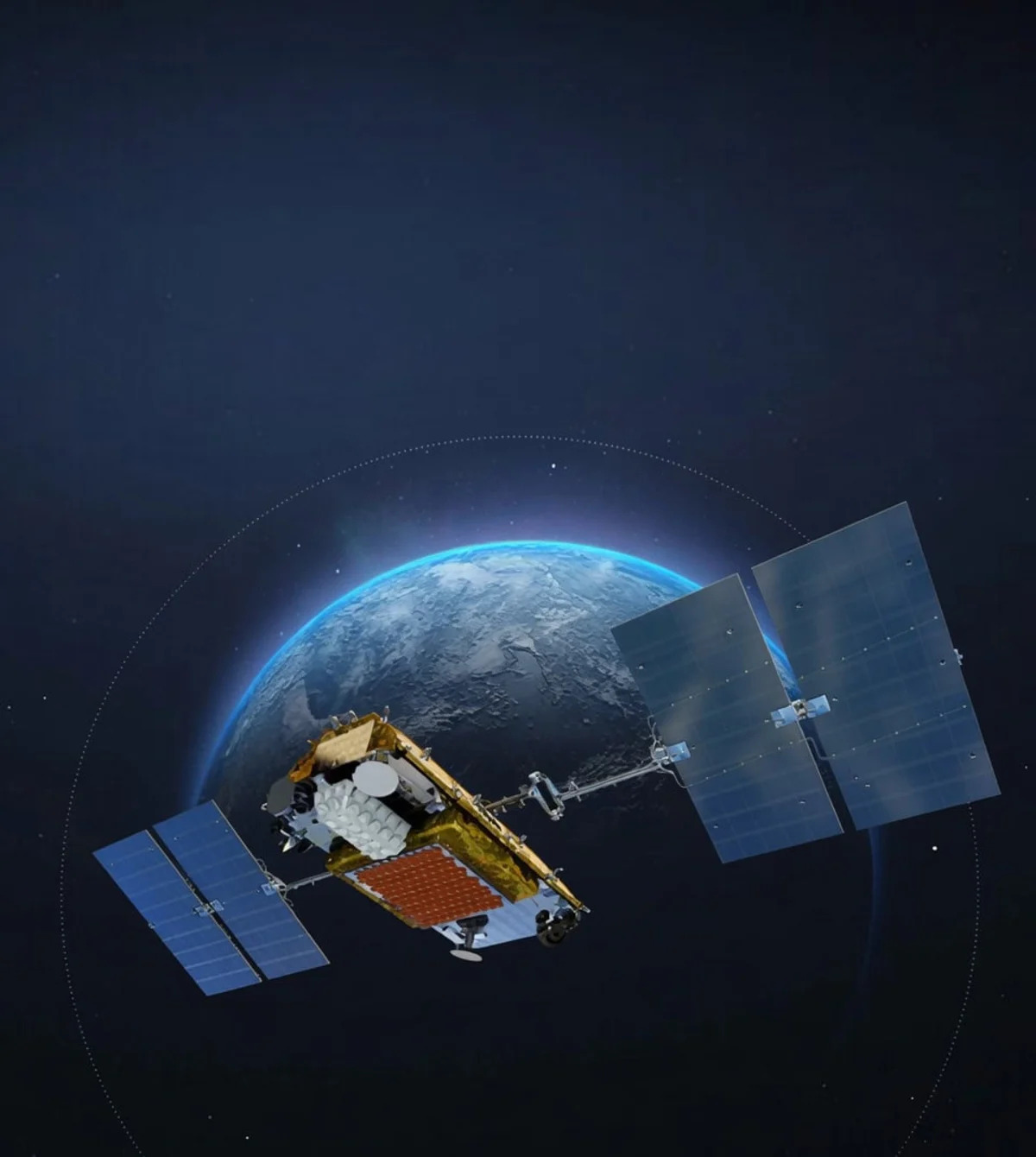
Amazon's Leo Ultra terminal uses a phased-array antenna that works in both directions at once. It can hit download speeds up to 1 gigabit per second, which rivals many home broadband services. The device installs on building rooftops or sits on the ground, giving customers flexibility. Pulse2 reports the terminal design targets both enterprise and public-safety users needing fast, reliable backup links.
Amazon Leo vs. Starlink in Orbit
Amazon Leo already has 392 satellites circling Earth, with 315 positioned where they need to be. Pulse2 notes that Amazon has landed customer deals, including a contract with Delta Air Lines. Meanwhile, Coinpaper highlights that AT&T's backing signals growing competition against SpaceX's Starlink, which has dominated the satellite broadband market. Amazon's push into enterprise markets could reshape how businesses handle network resilience.
FCC Clears the Path for Amazon Leo Launch
The Federal Communications Commission granted Amazon a conditional waiver, dropping a requirement that half its constellation be in orbit by July 30. Amazon's Leo executive Chris Weber said the network had enough satellites by July to start early service. Pulse2 reports that the waiver removes a major regulatory hurdle, allowing Amazon to ramp up commercial operations without hitting the original deadline. The move gives Amazon room to grow its business without legal pressure.
Sentiment
Mostly PositiveNEGATIVENEUTRALPOSITIVE
Publishers
13
Articles
23
Reach
36
A
AnonymousAuthor


