Smart-Glasses Veto
California Governor Gavin Newsom Vetoes Controversial Smart-Glasses Recording Regulation Bill
Anonymous

Key Points
1
The bill set penalties of up to $1,500 and a year in county jail for certain violations. It also would have barred, starting January 1, 2028, the sale or manufacture of covered devices without a sufficiently prominent recording indicator, with civil penalties of up to $2,500 for knowing violations.
2
The bill passed the Legislature largely along party lines: every Republican in the state Senate opposed it, while only one Republican in the Assembly voted for it.
3
A Swedish news outlet reported that Meta subcontractors in Kenya could access private recordings to help train the company’s AI; users later sued Meta, according to SFGATE.
4
Meta sold more than 7 million pairs of its wearable glasses in the previous year, illustrating the scale of the market at the center of the privacy debate.
California Governor Gavin Newsom vetoed Senate Bill 1130 on September 30, a measure designed to regulate smart glasses and other wearable recording devices. Mixed-News reported the bill would have made it a crime to disable recording indicators on camera glasses. Newsom acknowledged disturbing misuse of the technology but argued the bill's definitions were too broad and could create unintended legal problems.
The veto frustrated privacy advocates who pushed for protections as wearable cameras proliferate. Newsbytes noted Newsom contended that existing California law already protects against unlawful recording, making the new bill unnecessary. The bill's sponsor, state Senator Eloise Gómez Reyes, said she plans to reintroduce the measure next year.
What the Bill Would Have Done
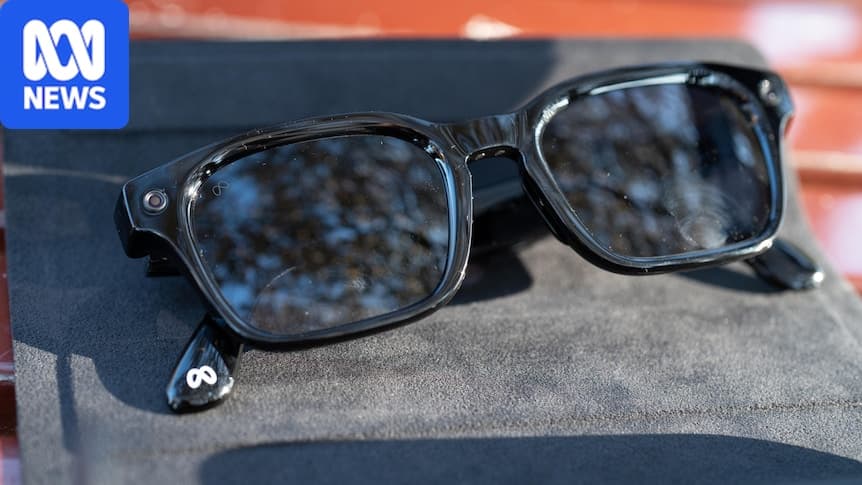
SB 1130 required smart glasses and similar wearable devices to have a visible, obvious recording indicator. Mixed-News explained that disabling or obscuring this light would have become a crime. Violations carried steep penalties: up to $1,500 in fines and one year in county jail for individuals.
Starting January 1, 2028, manufacturers could not sell or make covered devices without a sufficiently prominent recording indicator. Mixed-News reported civil penalties of up to $2,500 applied for knowing violations. The bill also banned recording in places where people reasonably expect privacy—bathrooms, locker rooms, and similar spaces.
Growing Market for Wearable Cameras
Smart glasses have exploded in popularity. Meta, which makes the Ray-Ban smart glasses, sold more than 7 million pairs in the previous year alone. The surge reflected how quickly the technology entered everyday life—and why privacy concerns grew urgent. Lawmakers struggled to keep regulation ahead of adoption.
Recent scandals fueled pressure for stricter rules. Newsbytes noted that a Swedish news outlet revealed Meta subcontractors in Kenya could access private recordings to train the company's artificial intelligence. Users later sued Meta over the practice, highlighting how wearable camera data could be exploited without clear consent or safeguards.
Why Newsom Rejected the Measure
Newsom's veto emphasized flawed drafting rather than disagreement with the goal. Newsbytes reported the governor said the broad definition of covered devices could cause confusion. He worried the bill might criminalize conduct not intended by lawmakers, creating legal traps for businesses and individuals.
The governor also argued existing state law sufficed. California's invasion of privacy statutes already criminalize secret recording in many contexts. Mixed-News noted Newsom believed those laws provided adequate protection without the risks of poorly drafted new language. The veto stalled momentum for the bill, which passed largely along party lines—every Republican state senator opposed it.
Next Steps for Privacy Advocates
Gómez Reyes criticized the veto and pledged to return with a revised measure. She argued Californians need privacy rules that keep pace with advancing technology. Lawmakers will likely redraft the bill to narrow definitions and address the governor's drafting concerns.
The dispute reflects a broader tension: how to protect privacy without stifling innovation or creating legal chaos. Newsbytes suggested future bills may take a narrower approach, targeting specific abuse patterns rather than sweeping device categories. The outcome will shape how California regulates wearable surveillance in years ahead.
Sentiment
Mostly NegativeNEGATIVENEUTRALPOSITIVE
Publishers
14
Articles
29
Reach
43
A
AnonymousAuthor