Smart-Glasses Bans Expand Across Australian Schools, Pools
Smart-Glasses Bans Expand Across Australian Schools, Pools
Anonymous
Key Points
1
Western Australia’s directive prohibits not only wearing and using smart glasses but also storing them on school sites. It also applies when students and staff represent their schools off-site, and schools will use existing policies and procedures to enforce the change consistently.
2
The WA ban builds on the state’s existing “off and away all day” mobile-phone policy, introduced in 2020, and its requirement that students keep smartwatches in airplane mode during the school day.
3
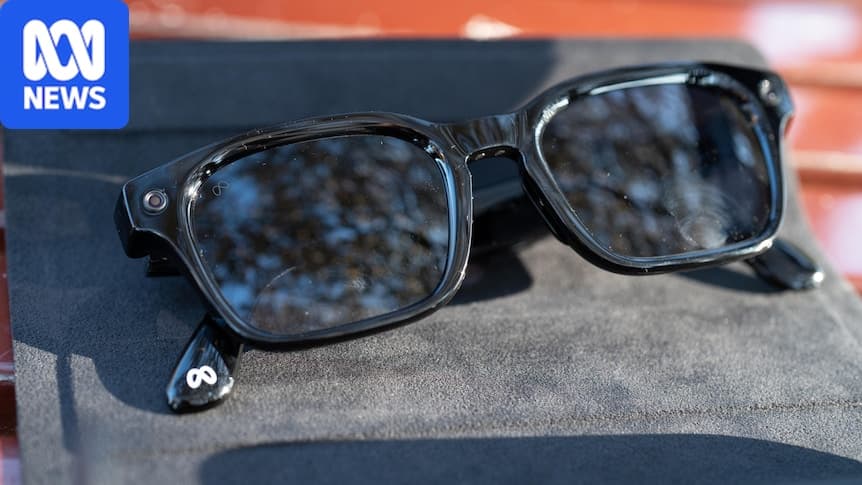
Sydney’s policy covers wearable recording devices beyond smart glasses, and includes disability-related carve-outs. The glasses can resemble ordinary sunglasses, with only a small recording-indicator LED, and have attracted content creators seeking hands-free filming.
4
Newcastle’s proposed motion is being advanced by councillors Deahnna Richardson, Declan Clausen, Peta Winney-Baartz, Paige Johnson and Elizabeth Adamczyk, and asks the council to work with operators, licensees and lessees of council-owned facilities, including Beresfield childcare centre, swimming centres, ocean baths and sporting change rooms.
5
City of Sydney Greens councillor Matthew Thompson said, “If you feel like someone’s always watching you, it’s because they are,” citing reports of women being targeted, harassed and recorded without consent overseas as a reason for the ban.
Australian schools and public facilities are cracking down on smart glasses over fears of secret recording and harassment. Western Australia will ban the devices at all public schools starting Term 4, while Newcastle councils are weighing similar restrictions at swimming pools, childcare sites and sporting venues WA Schools Ban. The City of Sydney has already prohibited smart glasses and other wearable recording devices from its council spaces, joining a growing movement to protect privacy City of Sydney Ban.
The glasses can look like ordinary sunglasses but contain hidden cameras capable of livestreaming without anyone's knowledge. Councils are grappling with balancing privacy rights against disability access, since the technology can be life-changing for people with visual impairments. Canadian cities are also reassessing filming rules as the devices spread Privacy Concerns.
Western Australia's Sweeping School Prohibition
Education Minister Sabine Winton announced what she calls Australia's most comprehensive smart glasses ban. The directive bans wearing, using, and storing the devices at all public schools. The ban covers students, staff, families, visitors and contractors WA Ban Details. It also applies when students and staff wear school uniforms off-site, requiring consistent enforcement through existing school policies WA Ban Details.
This follows WA's 2020 "off and away all day" mobile-phone policy, which required students to hand over phones during the school day. Schools already require smartwatches to be placed in airplane mode. Principals may grant limited exceptions for students with medical needs or assistive-technology requirements WA Rules.
Sydney and Newcastle Expand Privacy Protections
The City of Sydney banned smart glasses and all wearable recording devices from pools, gyms, libraries, childcare facilities and other council spaces. The policy includes disability carve-outs to protect people who rely on the technology Sydney Policy. Greens Councillor Matthew Thompson said, "If you feel like someone's always watching you, it's because they are," citing overseas reports of women being targeted and harassed Sydney Concern.
Newcastle councillors are advancing a similar proposal covering swimming centres, ocean baths, childcare sites and sporting change rooms. The motion asks the council to work with facility operators and lessees on implementation Newcastle Motion. Several other Australian councils have adopted comparable restrictions as concern spreads about covert recording and harassment Privacy Movement.
Why Smart Glasses Pose Hidden Recording Risks
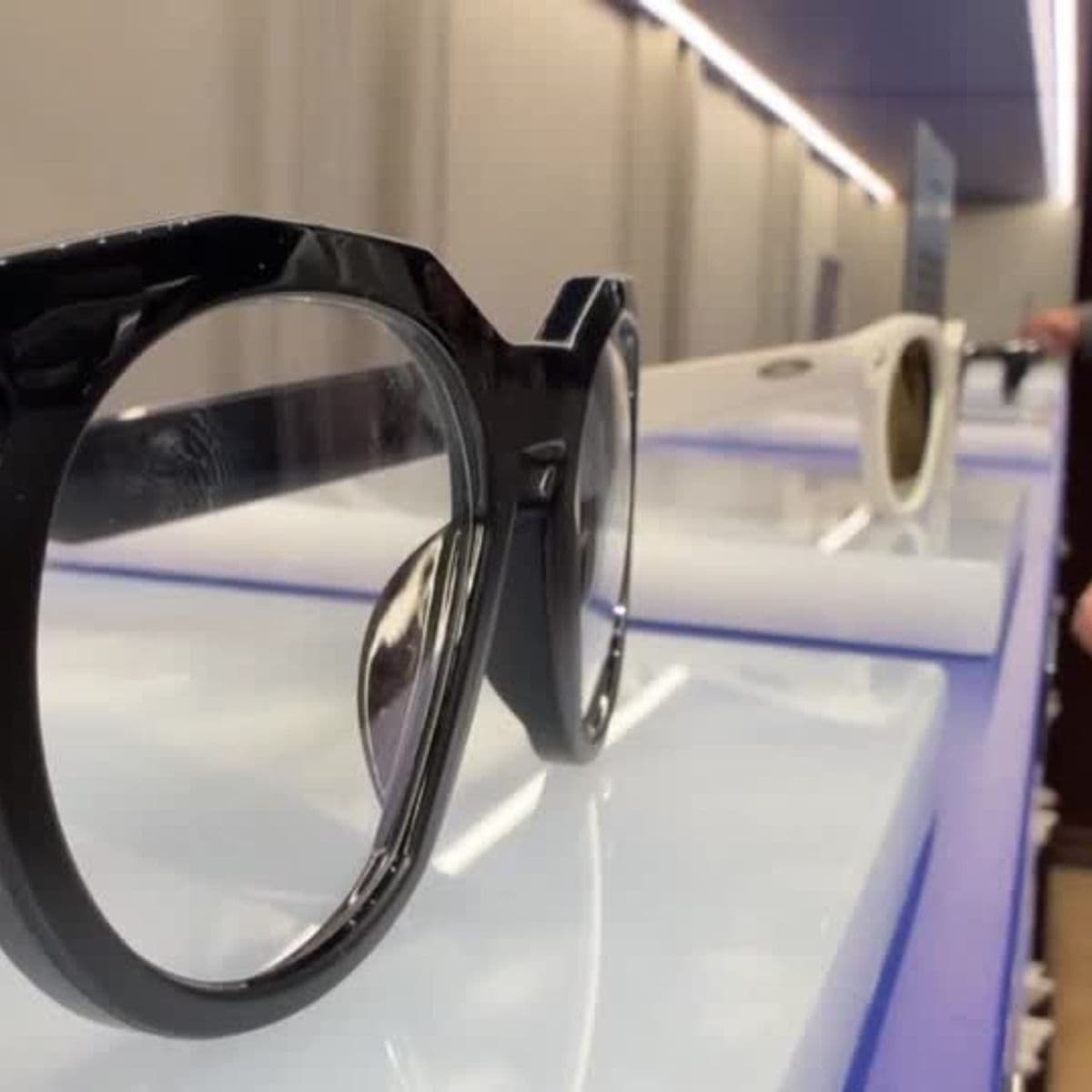
Ray-Ban Meta and similar smart glasses resemble ordinary sunglasses but contain built-in cameras that can record and livestream video from the wearer's perspective. The devices often have only a tiny LED light to indicate recording, making covert filming easy Recording Risk. Content creators have embraced the glasses for hands-free filming, raising privacy concerns in public spaces Recording Risk.
Privacy advocates warn the glasses pose heightened risks for vulnerable groups, particularly women. Reports from overseas show the technology being used for harassment and non-consensual recording Privacy Disaster. Australian councils acknowledge the privacy threat outweighs current legal frameworks, prompting bans rather than waiting for new regulations Privacy Disaster.
Global Movement Toward Regulating Wearable Cameras
Australia's approach echoes moves in other countries. London bars, theaters and restaurants have faced backlash over smart glasses use, with venues tightening policies to prevent covert filming London Response. Canadian cities are reassessing whether existing public-filming rules adequately address the technology, with some municipalities banning glasses capable of secret recording Canada Response.
Councils face a delicate challenge: protecting privacy while respecting disability rights. People with visual impairments rely on smart glasses to navigate and access information. Most bans include exemptions, but balancing security with accessibility remains an ongoing tension Disability Balance.
Sentiment
Mostly NegativeNEGATIVENEUTRALPOSITIVE
Publishers
16
Articles
29
Reach
45
Topics
A
AnonymousAuthor