UN Hormuz Resolution
France drafts a new UN Security Council resolution to reopen the Strait of Hormuz.
Anonymous
Key Points
1
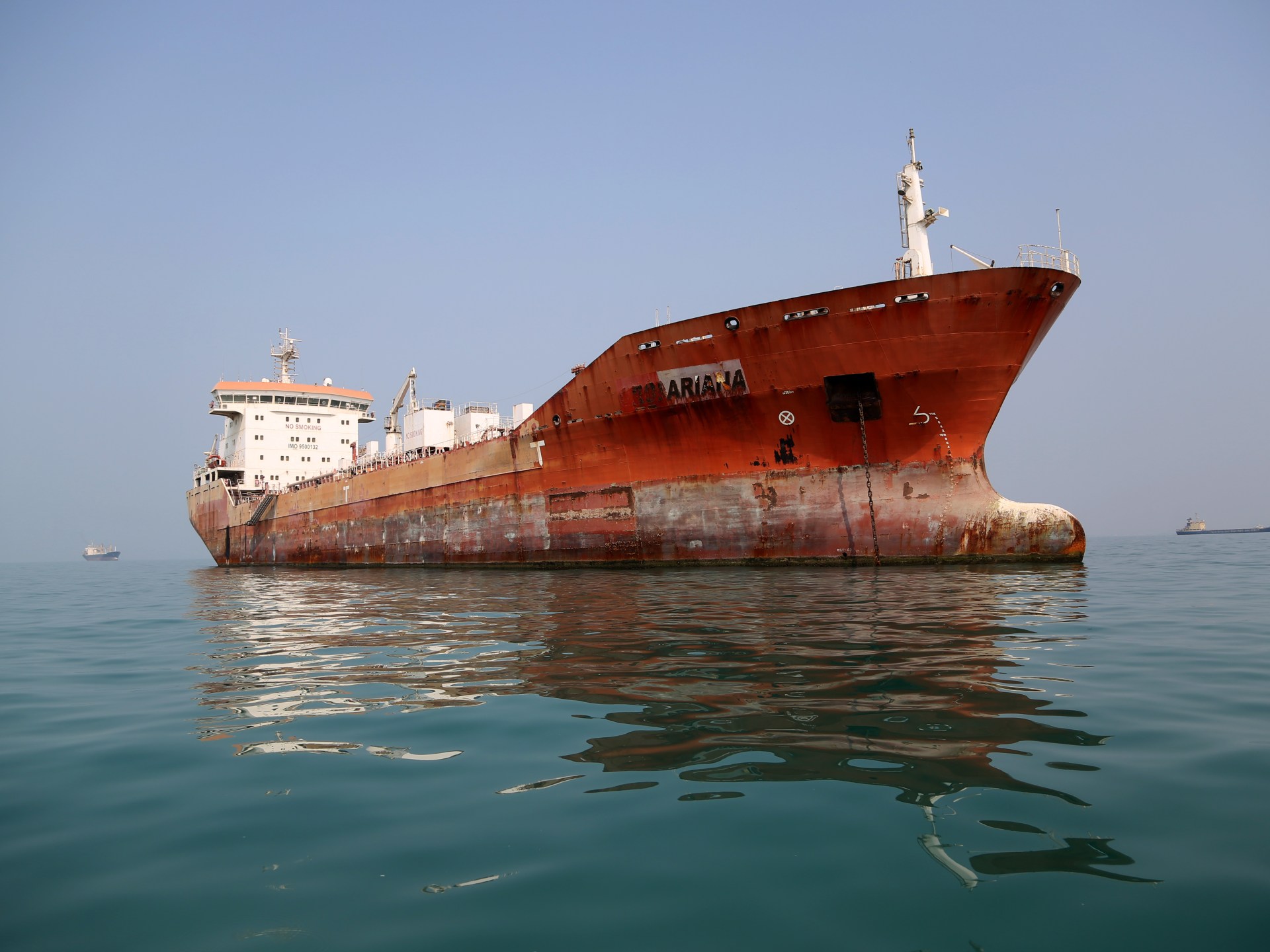
The Strait of Hormuz carries roughly 20% of the world’s oil, meaning a prolonged disruption could affect energy markets, supply chains and government finances well beyond the Persian Gulf.
2
France’s proposed resolution would rely on navigational rights under the U.N. Convention on the Law of the Sea and would avoid invoking Chapter VII of the U.N. Charter, which would make the text less punitive and potentially more acceptable to Russia and China.
3
After meeting current President Donald Trump, President Emmanuel Macron said that “several options were discussed” and that diplomatic measures might permit more container ships and oil tankers to transit even without a comprehensive agreement.
4
France has identified specific Saudi facilities it could help protect, including energy installations in Yanbu and the East-West Pipeline; Saudi Arabia said the pipeline was shut after drone attacks launched from Iraq, while Houthi attacks had targeted Aramco facilities in Yanbu.
5
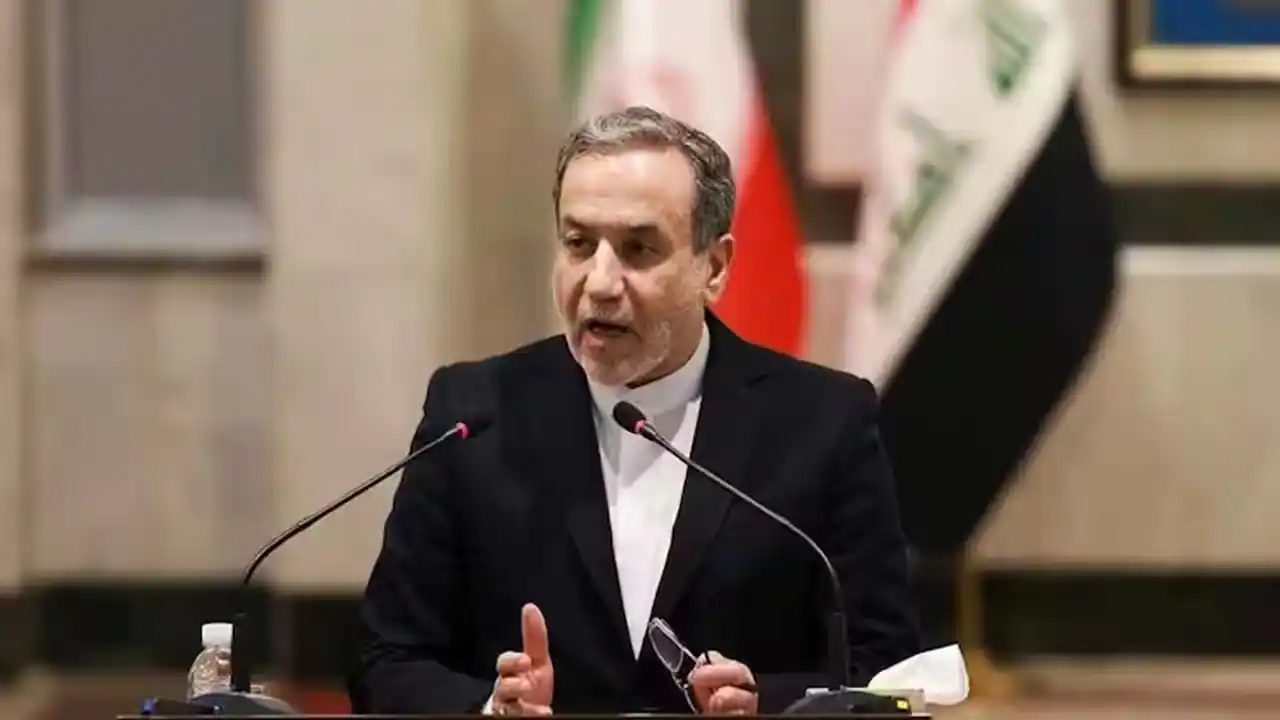
The senior Iranian official described the U.N. General Assembly as a “golden opportunity” for diplomacy, linking a possible reopening of the strait within a week to Washington easing military pressure and lifting its blockade.
France is drafting a United Nations Security Council resolution with the United States to reopen the Strait of Hormuz, the world's most critical oil shipping route. The Inquirer reported that Iran's foreign minister proposed a seven-day plan to restore passage if Washington eases military pressure and lifts its blockade, signaling potential room for negotiation.
The strait carries roughly 20% of the world's oil supply, making any prolonged closure a threat to energy markets and global supply chains. French President Emmanuel Macron told Times of India that diplomatic measures might allow more container ships and oil tankers to transit even without a comprehensive deal.
Why France Chose a Non-Punitive Path
France deliberately avoided invoking Chapter VII of the UN Charter, which permits military enforcement. Al Jazeera noted that the new draft relies instead on freedom of navigation under the Convention on the Law of the Sea. This softer approach aims to secure support from Russia and China, who vetoed earlier, more aggressive proposals.
Iran's Seven-Day Offer Signals Diplomatic Opening
English Nepal News reported that Iranian Foreign Minister Syed Abbas Araghchi proposed a seven-day roadmap to end the conflict and reopen the strait. The plan hinges on Washington lifting its blockade and reducing military pressure. U.S. officials have signaled openness to these diplomatic discussions, creating potential momentum for talks.
France Offers Defensive Shield for Saudi Oil Infrastructure
France identified specific Saudi facilities it could help protect without entering Yemen's conflict with Houthis. These include energy installations in Yanbu and the East-West Pipeline. Daily Hunt noted that Saudi officials reported the pipeline was shut after drone attacks launched from Iraq, while Houthi forces had targeted Aramco facilities. France's approach keeps this defensive mission separate from broader regional disputes.
High Stakes for Global Energy and Trade
A prolonged closure of the Strait of Hormuz would disrupt energy markets and supply chains far beyond the Persian Gulf. Unblocking the passage directly addresses oil price volatility and skyrocketing maritime insurance premiums affecting energy importers worldwide. Diplomats expect France to circulate a formal draft to Security Council members soon. Success depends on whether China and Russia view the non-punitive approach as genuinely neutral.
Sentiment
Mostly NegativeNEGATIVENEUTRALPOSITIVE
Publishers
41
Articles
241
Reach
282
Topics
A
AnonymousAuthor