Rare US State Visit
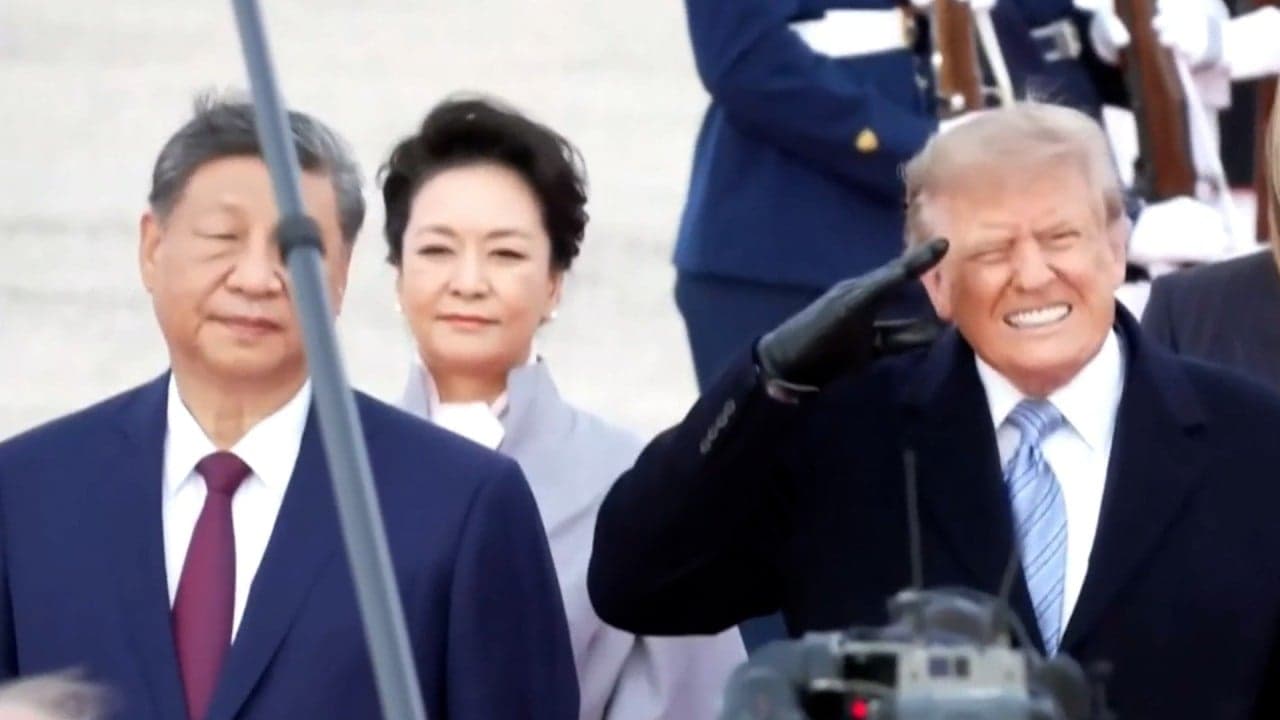
Chinese President Xi Jinping begins rare US state visit with personal welcome from Trump.
Anonymous
Key Points
1
The visit is Xi Jinping’s first state visit to the U.S. capital in more than a decade, according to The Associated Press.
2
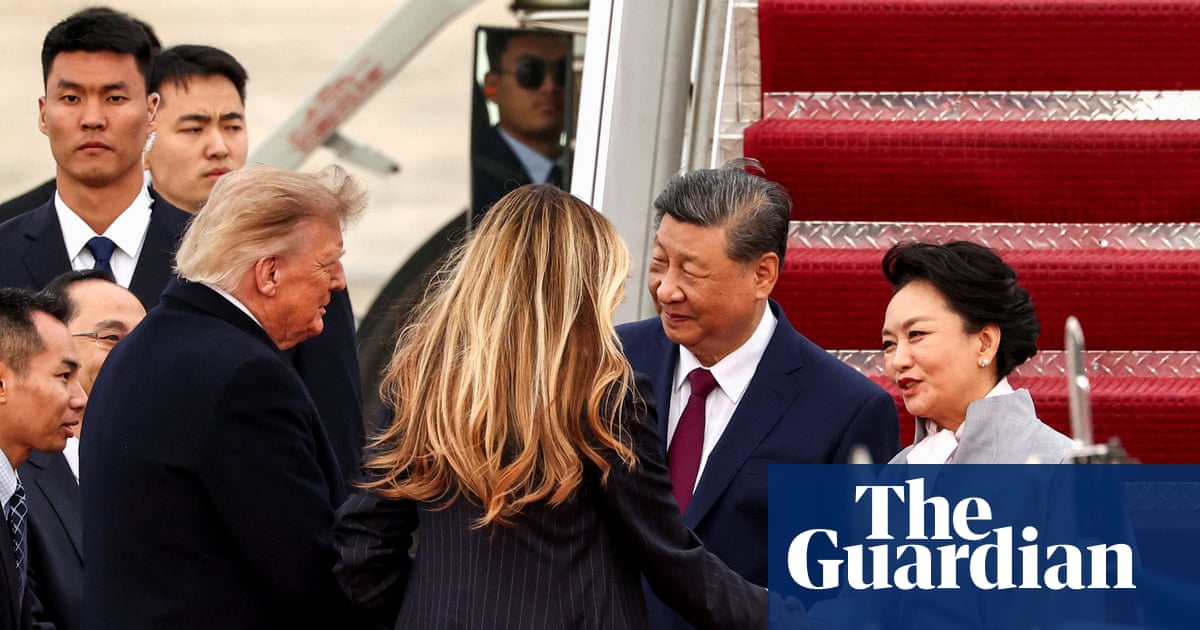
First lady Melania Trump joined current President Donald Trump at Joint Base Andrews for the arrival ceremony with Xi and Peng Liyuan.
3
Trump has publicly called Xi a “great leader” and described their relationship as warm, portraying Xi as a friend while, according to the AP report, giving him a pass on many issues.
4
Xi traveled with a senior delegation that included Cai Qi, a member of the Communist Party’s Politburo Standing Committee and director of the party’s General Office, and Wang Yi, a Politburo member and China’s foreign minister.
5
Sen. Roger Wicker specifically proposed discussing “the purposes of China’s massive military buildup” at the state dinner, adding a more concrete example to his criticism of the welcome.
Chinese President Xi Jinping arrived in Washington for a three-day state visit, receiving an unusually personal welcome from President Donald Trump at Joint Base Andrews—not the White House. Associated Press reported this was Xi's first state visit to the U.S. capital in over a decade. Trump, who called Xi a "great leader" and described their relationship as warm, broke decades of protocol to greet the Chinese leader himself, becoming the first president since 1962 to welcome a foreign leader at the Maryland military base.
The high-profile ceremony, attended by First Lady Melania Trump and Xi's wife Peng Liyuan, signals a shift in U.S.-China diplomacy amid ongoing tensions over trade, artificial intelligence, Iran, and Taiwan. Fox News highlighted the historic nature of Trump's greeting. Yet even as Trump courts Xi personally, Republican lawmakers are pushing him to address China's military expansion and strategic challenges during the state dinner and broader talks.
A Ceremonial Welcome Breaks 60 Years of Tradition
Trump's decision to greet Xi at Joint Base Andrews marked a dramatic departure from standard presidential protocol. Fox News noted this was the first time since 1962 that a sitting president had personally welcomed a foreign leader at the military installation. The move mirrors ceremonial treatment Trump himself received during his May visit to China, effectively returning the gesture of respect to Beijing.
The arrival ceremony included a formal state dinner, designed to signal warmer ties at a moment when the two superpowers remain locked in competition. First Lady Melania Trump's presence underscored the personal nature of the greeting—a stark contrast to the typical bureaucratic handoffs that characterize most state visits. Trump's public portrayal of Xi as a friend and "great leader" suggests he intends to use personal rapport as a diplomatic tool.
Xi's Senior Delegation Includes Key Communist Party Leaders
Xi traveled with a powerful delegation that included Cai Qi, a member of the Communist Party's Politburo Standing Committee and director of the party's General Office. Wang Yi, a Politburo member and China's foreign minister, also joined the entourage. The high-ranking composition of the delegation reflects Beijing's investment in the visit and signals that major decisions could emerge from the three days of talks.
Republicans Push Trump to Address Military Buildup
Despite Trump's friendly tone toward Xi, Republican lawmakers are urging him to raise serious concerns during the visit. Sen. Roger Wicker, chairman of the Senate Armed Services Committee, criticized what he called a lavish welcome and specifically proposed discussing "the purposes of China's massive military buildup" at the state dinner. Wicker and other GOP figures worry Trump may give Xi a pass on critical security issues.
Trump has indicated Iran will be a topic of discussion during the summit, according to reporting from pool journalists covering the visit. The tensions between diplomatic warmth and strategic competition underscore a central challenge for the Trump administration: how to maintain personal rapport with Beijing while pressing on issues where U.S. and Chinese interests fundamentally clash.
Sentiment
Mostly NegativeNEGATIVENEUTRALPOSITIVE
Publishers
86
Articles
494
Reach
580
A
AnonymousAuthor