Trade and Security Summit
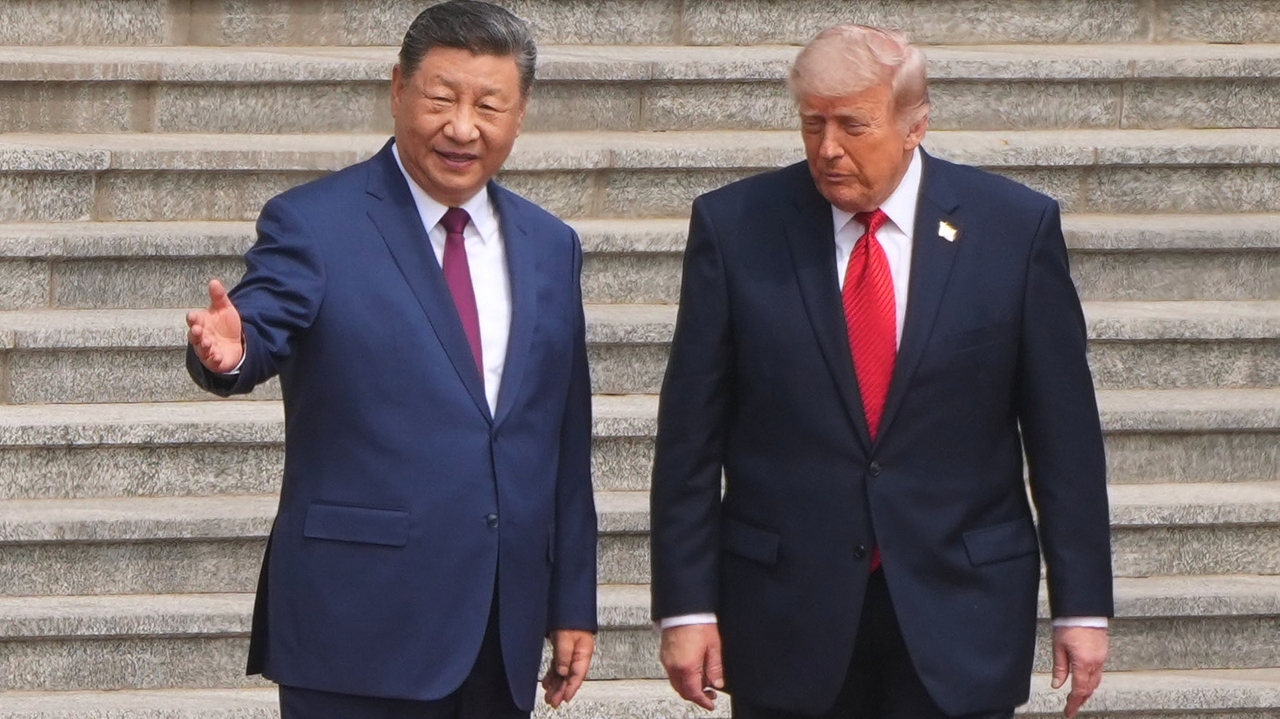
Trump and Xi Meet in Washington for High-Stakes Trade and Security Talks
Anonymous
Key Points
1
Xi Jinping is expected to arrive with his wife, Peng Liyuan, at Joint Base Andrews for a red-carpet welcome, followed by a State Arrival Ceremony involving 479 military personnel across the White House grounds.
2
Business expectations have diminished: Chinese CEOs are not expected to accompany Xi, reducing the likelihood of major commercial agreements during the visit.
3
Beijing has widened controls on exports of precursor chemicals used to make illegal drugs, an issue that remains a persistent source of frustration for Washington despite the broader trade truce.
4
Trump is expected to seek the release of Gulshan Abbas, who has been imprisoned in China for eight years after being accused of participating in a terrorist organization following her sister’s criticism of China’s treatment of Uyghurs.
5
The summit is taking place against a broader U.S. manufacturing-dependence debate: DJI reportedly controls more than 90% of the American commercial-drone market, while a U.S.-China commission found that China had met or exceeded many goals of its Made in China 2025 industrial strategy.
President Donald Trump will host Chinese President Xi Jinping in Washington from September 23 to 25 for high-stakes talks on trade, technology, and security. Xi arrives with strengthened leverage: China's projected trade surplus exceeds $1 trillion, and Beijing has expanded exports of rare earths and advanced manufacturing. The summit aims to extend a fragile U.S.-China trade truce, though fundamental disputes over Taiwan, artificial intelligence controls, and human rights remain unresolved.
The visit carries enormous symbolic weight. A 479-member military honor guard will greet Xi and First Lady Peng Liyuan at Joint Base Andrews, with fighter jets overhead. Yet commercial expectations are low—no Chinese CEOs are accompanying Xi, signaling limited appetite for sweeping business deals. Instead, analysts expect the summit to manage tensions rather than achieve breakthroughs.
Xi Arrives With Economic Advantage and Political Goals
China's economic position has strengthened dramatically. According to analysis, Beijing's projected annual trade surplus exceeds $1 trillion, giving Xi considerable negotiating leverage. Meanwhile, China controls more than 90% of the U.S. commercial-drone market through manufacturer DJI. Xi is expected to seek relief from American technology restrictions on rare-earth exports and semiconductor manufacturing while urging Trump to ease tariffs on non-sensitive goods.
Beijing has also widened controls on chemical precursors used to make illegal fentanyl—a longtime U.S. complaint. However, enforcement gaps remain. Washington views the chemical restrictions as incomplete and expects to push harder during the summit. Xi, meanwhile, prefers to limit discussions of Taiwan and China's support for Iran, preferring instead to emphasize stability and mutual economic benefit.
Trump Seeks Release of Detained American and Tech Dominance
A central human rights objective is securing the release of Dr. Gulshan Abbas, a 64-year-old Uyghur-American physician detained in China for eight years. Abbas was imprisoned after her sister publicly criticized China's treatment of Uyghurs. Sam Brownback, former U.S. Ambassador for International Religious Freedom, stated that "the Chinese government is at war with faith," urging Trump to prioritize political detainees over commercial deals.
Trump also aims to safeguard American artificial intelligence dominance and restrict exports of advanced chips to China. Beijing has announced $300 billion in capital for state AI data center investments, raising U.S. concerns about strategic technology leaks. The administration seeks to enforce technology controls while negotiating narrow tariff relief—a difficult balance that critics say requires a tougher stance on China's industrial overcapacity and intellectual-property theft.
Modest Commercial Expectations Despite Strategic Importance
No Chinese CEO delegation accompanied Xi, a sharp signal that major commercial breakthroughs are unlikely. Instead, expect targeted agreements on non-strategic tariffs and limited goods. The White House is hosting a State Dinner on September 24 with top American executives—including Jeff Bezos, Elon Musk, and Tim Cook—but symbolic gestures matter more than signed contracts in this phase.
Analysts expect the summit to function as a "compliance checkpoint" rather than a diplomatic reset. Improved relations could eventually boost business confidence, airline connectivity, and tourism. However, fundamental disagreements over manufacturing supply chains, Taiwan's status, and technology theft will persist. The three-day visit is designed to prevent escalation—not to resolve decades of strategic competition.
Sentiment
Mostly NegativeNEGATIVENEUTRALPOSITIVE
Publishers
31
Articles
155
Reach
186
A
AnonymousAuthor


