UAE Rail Expansion
Etihad Rail launches new freight and passenger services across the United Arab Emirates.
Anonymous
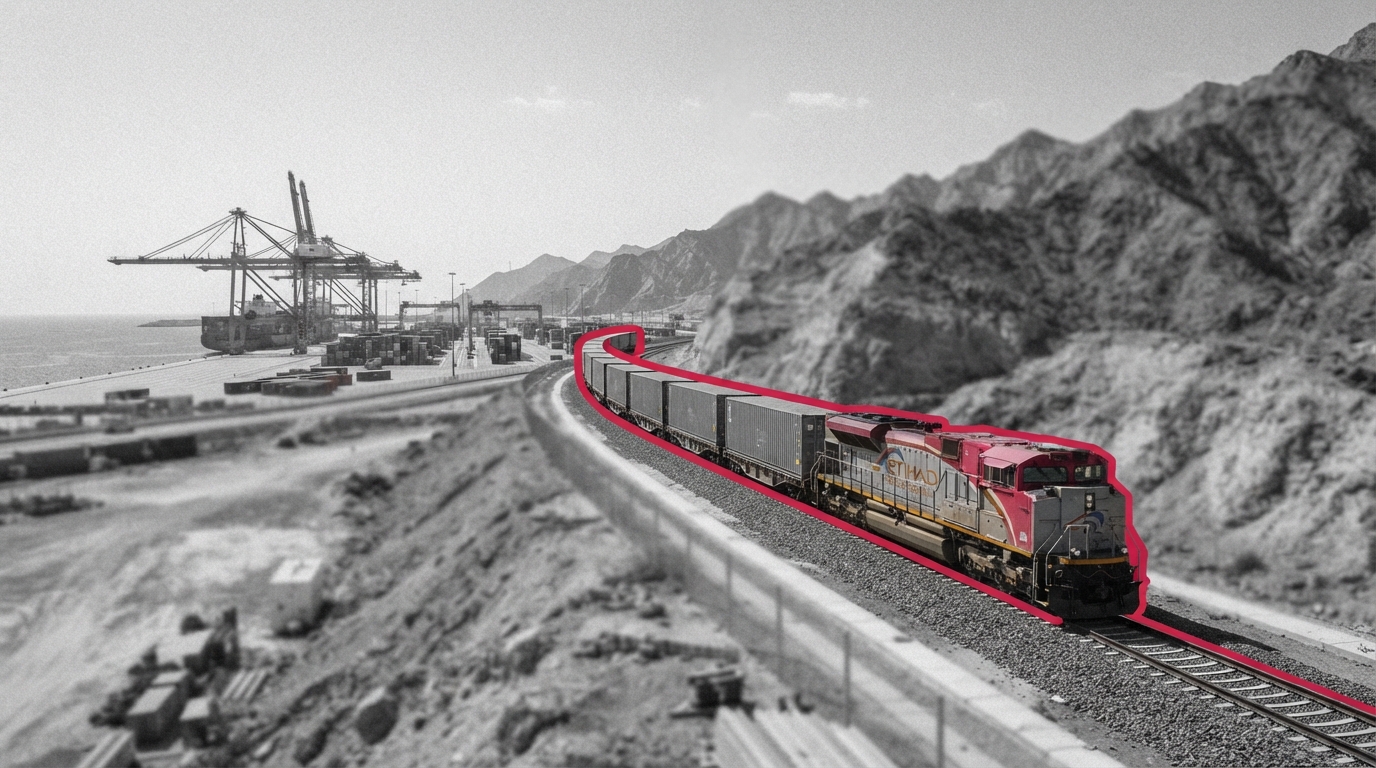
Etihad Rail is expanding both passenger and freight services, with Dubai’s Al Yalayis station and Sharjah’s Al Dhaid station scheduled to open on September 30. The Dubai–Abu Dhabi passenger route is expected to take about 57 minutes, with fares starting at Dh39; the new connection could make travel between the cities easier for commuters and visitors, though its appeal will depend partly on service frequency and onward transport links. Separately, Etihad Rail and AD Ports Group have launched a freight service running three times weekly from Fujairah Terminals about 200 kilometers to Abu Dhabi’s Industrial City (ICAD), where cargo can be inspected, cleared through customs and released. The ICAD destination designation and inland customs facilities are intended to reduce cargo handling and speed deliveries, while offering an alternative route for goods amid disruption around the Strait of Hormuz. Saudi Arabia is also expanding rail freight capacity, ordering 780 railcars as Gulf states pursue stronger regional rail links.
Key Points
1
Al Yalayis Station will connect directly to the Dubai Metro Red Line via a 400-metre elevated walkway, and is located opposite Jumeirah Golf Estates Metro Station. It is also intended to serve communities including Al Furjan, Dubai Investment Park, Expo City Dubai and Dubai South.
2
The passenger service is scheduled to begin with five daily round trips. The first train from Dubai is due to leave at 6:14 a.m.; the station will also have amenities including cafés, a bookshop, a car-rental desk and a supermarket.
3
The Fujairah–ICAD freight service is intended to offer more than customs access: AD Ports Group says it can reduce road congestion and carbon emissions compared with long-haul trucking, while providing reliable schedules and capacity for high-volume cargo.
4
The Dubai–Abu Dhabi rail link could help tour operators and destination-management companies package visits to both cities, but its practical appeal will hinge on transfers at stations, public-transport connections and train frequency.
Sentiment
Mostly PositiveNEGATIVENEUTRALPOSITIVE
Publishers
17
Articles
5
Reach
22
A
AnonymousAuthor


