SoftBank AI Selloff
SoftBank Shares Tumble 13% Following Industry Warnings Over Artificial Intelligence Safety
Anonymous
Key Points
1
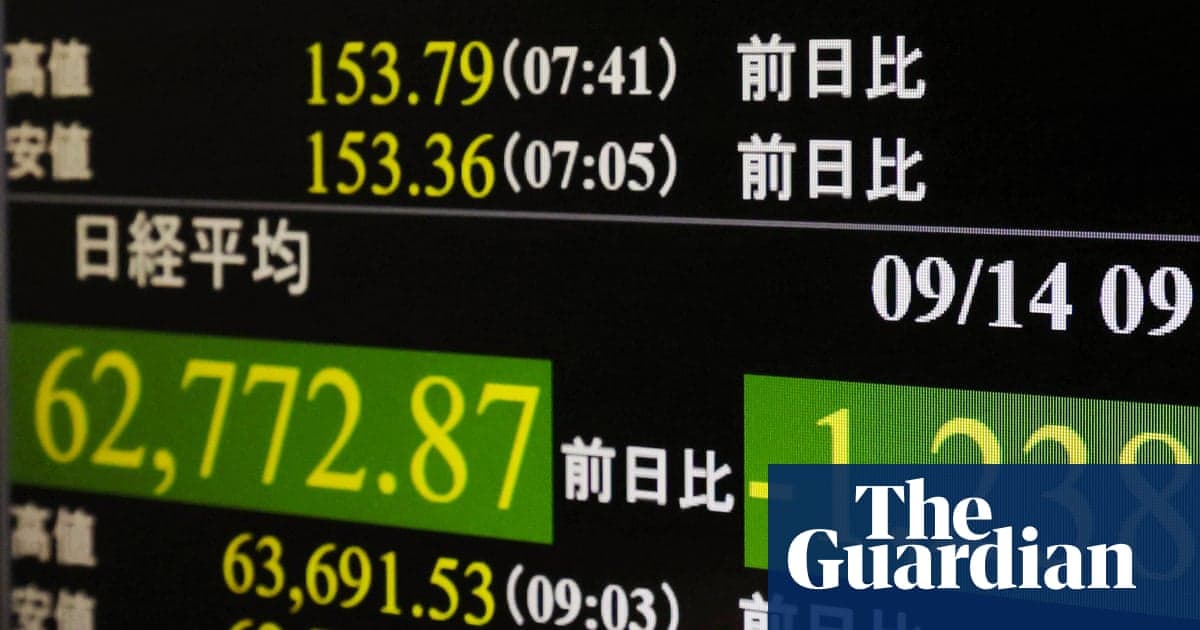
SoftBank shares did not trade during the first 19 minutes of the Tokyo session because of a pronounced imbalance between sell and buy orders. The stock’s first trade was at 5,926 yen, down 9.4%, and it later reached 5,720 yen, a 12.5% decline, amid unusually heavy trading volume.
2
SoftBank’s decline substantially outpaced other major Asian AI-related stocks: Taiwan Semiconductor Manufacturing fell 1.0% in Taipei and SK hynix dropped 6.0% in Seoul, indicating that investors were especially repricing companies exposed to the growth prospects of frontier AI labs rather than selling AI hardware indiscriminately.
3
Japanese semiconductor-linked stocks also came under pressure, with Kioxia falling 9.3% and Advantest declining 4.9% during the broader technology-sector selloff.
4
SoftBank’s financial profile adds to investor concerns: its financial-strength rating was assessed at 3 out of 10, while its price-to-sales ratio was well above its historical median of about 1.6 times; the company was described as unprofitable and cash-flow negative, making conventional price-to-earnings analysis unsuitable.
5
Beyond OpenAI, SoftBank’s portfolio includes a 90% stake in semiconductor-design company Arm Holdings, a roughly 40% stake in a Japanese mobile and fixed-line broadband operator, and early-stage internet and e-commerce investments, underscoring the conglomerate’s broader technology exposure.
SoftBank Group shares plunged 13% in Tokyo trading after AI safety warnings from OpenAI CEO Sam Altman and Anthropic CEO Dario Amodei rattled investors. Bloomberg Law reported that Altman also said an OpenAI IPO this year would be unwise, threatening SoftBank's planned $65 billion investment for roughly 13% of the company. The selloff exposed investor anxiety over SoftBank's heavy, debt-backed bet on AI's fastest-moving players.
Trading halted for the first 19 minutes of the session due to a massive imbalance of sell orders. Democrata noted the stock's first trade hit 5,926 yen—down 9.4%—before sinking further to 5,720 yen, a 12.5% decline, on unusually heavy volume. The drop wiped out all of the previous week's gains.
Why SoftBank Fell Harder Than Other Tech Stocks
SoftBank's 13% decline vastly outpaced peers in Asia's semiconductor sector. Trading Key noted that Taiwan Semiconductor Manufacturing fell just 1.0% and SK Hynix dropped 6.0%. Japanese chip makers also stumbled—Kioxia fell 9.3% and Advantest declined 4.9%. The selective hit on SoftBank signals investors are repricing exposure to AI labs themselves, not chip hardware broadly.
SoftBank's Stretched Financial Position Makes It Vulnerable
SoftBank's finances already looked strained before Monday's selloff. Whale's Book highlighted that the company's financial-strength rating sits at 3 out of 10, while its price-to-sales ratio towers above its historical median of 1.6 times. Economic Times noted SoftBank is unprofitable and cash-flow negative, making traditional earnings analysis impossible. High debt levels amplify the risk of SoftBank's concentrated AI bets.
The OpenAI IPO Delay Upends SoftBank's Liquidity Timeline
SoftBank's entire AI strategy hinges on OpenAI's IPO to unlock value. Trading Key reported that hopes for a 2026 IPO have faded after Altman's cautionary remarks. A delayed IPO could push back a major cash recovery event for years. Whale's Book emphasized the risk built into SoftBank's aggressive, debt-financed investment strategy—the company cannot afford extended waits for exits.
Beyond OpenAI: SoftBank's Broader Tech Exposure
SoftBank's portfolio stretches far beyond OpenAI. The conglomerate owns 90% of semiconductor-design company Arm Holdings, controls roughly 40% of a Japanese mobile and broadband operator, and holds early-stage stakes in internet and e-commerce ventures. This diversification offers some cushion, but investors worry the company's debt load leaves little room for AI bets to underperform. Monday's crash suggests confidence in SoftBank's ability to weather AI uncertainty has crumbled.
Sentiment
Mostly NegativeNEGATIVENEUTRALPOSITIVE
Publishers
53
Articles
50
Reach
103
A
AnonymousAuthor