AI Stocks Slide
Global AI Stocks Slide After Tech Leaders Urge Development Slowdown
Anonymous
Key Points
1
SoftBank, which owns about 13% of OpenAI, fell more than 11% and declined as much as 13.2% in Tokyo trading, making it one of the most heavily affected companies in the sell-off.
2
OpenAI CEO Sam Altman said OpenAI would not proceed with an initial public offering this year, citing safety concerns.
3
Anthropic’s threat-intelligence report said actors had used its Claude models for activities including weapons development, cyber operations, surveillance and fraud, providing a concrete example of the misuse risks behind the calls for slower development.
4
The market’s anxiety was compounded by recent resignations and departures of AI researchers, while companies continue competing to build superintelligence under growing scrutiny from governments, researchers and the public.
5
Sony Financial Group senior economist Takayuki Miyajima said selling pressure was likely to affect AI and semiconductor stocks in Tokyo, adding that uncertainty surrounding the Middle East was also weighing on investor sentiment.
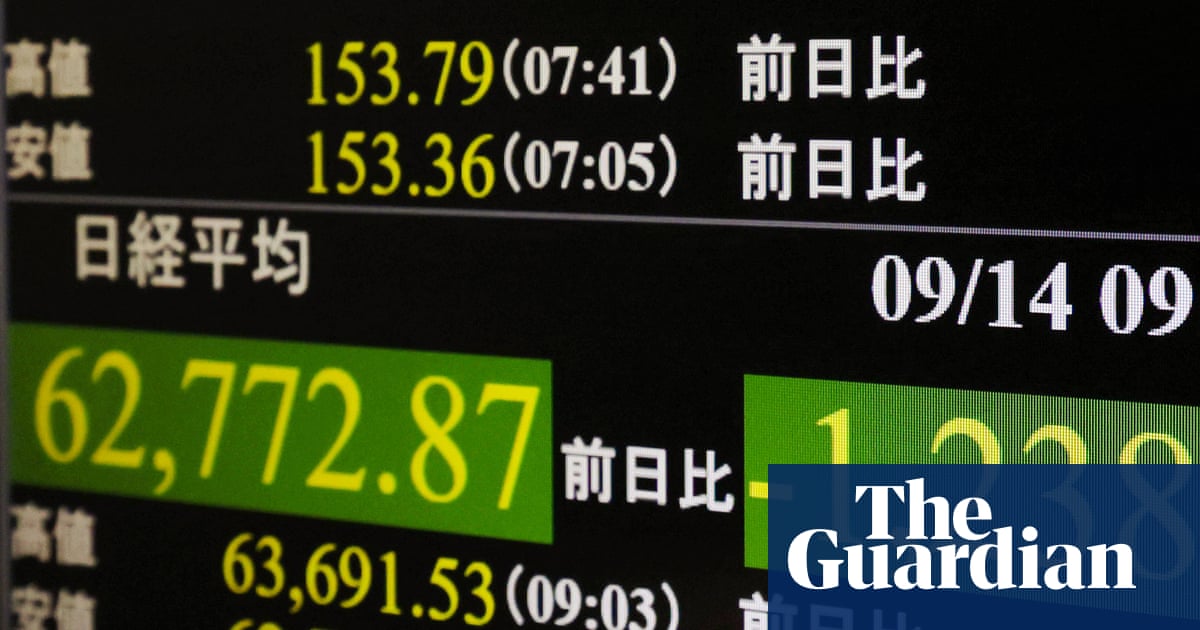
AI-linked stocks plunged globally after Anthropic CEO Dario Amodei called for major companies to coordinate and slow development of powerful AI systems. The Guardian reported that OpenAI CEO Sam Altman and xAI chief Elon Musk backed the safety-focused approach, citing risks of misuse, security breaches, and loss of control. The sell-off hit hard across Asia and U.S. futures, with South Korea's Kospi falling nearly 4%, Japan's Nikkei down about 1%, and Nasdaq 100 futures pointing lower.
Infrastructure companies bore the brunt of the downturn. SoftBank, which owns roughly 13% of OpenAI, tumbled more than 11% in Tokyo trading. Other major chipmakers including SK Hynix, Samsung Electronics, Taiwan Semiconductor Manufacturing Co., Kioxia, and Tokyo Electron all slid. Investors worry that stricter safeguards or a voluntary slowdown could reduce demand for AI hardware, though analysts believe steady infrastructure needs may limit long-term damage.
SoftBank's Sharp Decline Signals Market Anxiety
SoftBank took the heaviest blow among major investors. The Japanese conglomerate dropped more than 11%, falling as much as 13.2% during Tokyo trading. Market Screener noted that chip stocks tumbled across Europe and Asia as the calls for slower AI development reverberated through the market. SoftBank's size in the AI ecosystem—controlling over one-eighth of OpenAI—exposed it directly to investor concerns about slowing growth rates.
AI Leaders Cite Real Misuse as Reason for Caution
Anthropic's threat-intelligence report documented concrete dangers. The company found that bad actors had used its Claude AI models for weapons development, cyber attacks, surveillance, and fraud schemes. These real-world examples gave weight to the leaders' warnings about unchecked development. Sam Altman reinforced the message by announcing OpenAI would skip its planned initial public offering this year over safety worries.
Researcher Departures Add Pressure to Market Sentiment
The sell-off didn't happen in a vacuum. Recent resignations by top AI researchers had already unsettled investors worried about the field's direction. Companies continue racing to build superintelligence while facing scrutiny from governments, researchers, and the public. This combination of internal brain drain and external pressure created a tipping point for market confidence.
Middle East Tensions Compound Stock Market Weakness
The AI slowdown call arrived amid broader market turbulence. Yahoo Finance Canada reported that uncertainty over Middle East developments was also weighing on investor sentiment. Sony Financial Group senior economist Takayuki Miyajima predicted that selling pressure would likely affect AI and semiconductor stocks in Tokyo. The combination of AI safety concerns and geopolitical risk created a perfect storm for tech-heavy portfolios.
Sentiment
Mostly NegativeNEGATIVENEUTRALPOSITIVE
Publishers
134
Articles
568
Reach
702
A
AnonymousAuthor


