Deported Dissident Jailed Again
U.S. Deportation of Former Political Prisoner Results in Immediate Imprisonment in Nicaragua
Anonymous
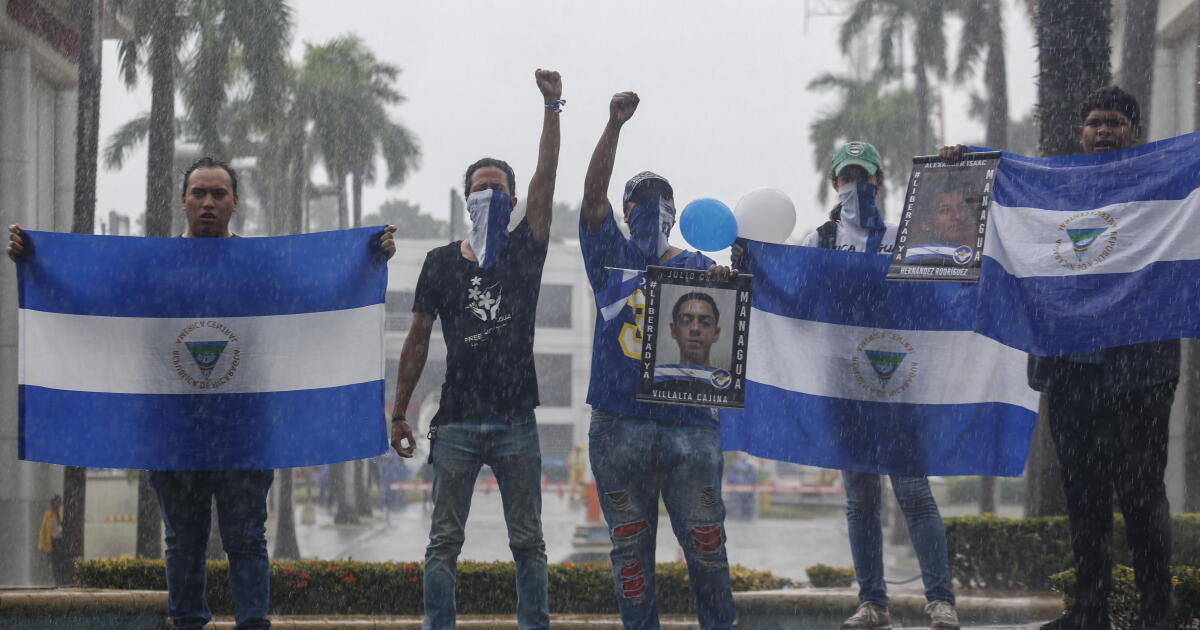
Jeffrey Jarquín, a former political prisoner who said he was tortured for leading protests against Nicaragua's authoritarian government, was arrested and locked up immediately after the U.S. deported him. Los Angeles Times reported that Jarquín had spent years in Modelo prison for participating in pro-democracy marches violently crushed by President Daniel Ortega before his release in 2019.
The deportation raises serious questions about U.S. policy. Human rights advocates warn that sending people back to countries where they face torture or persecution may violate international law, which bans such returns — known as "refoulement." The Trump administration has sanctioned Ortega and his family, calling his government a "brutal dictatorship."
A Activist Imprisoned Twice by the Same Regime
Jarquín first faced Ortega's brutality during the 2018 pro-democracy uprising. He joined mass protests against the government and was arrested for it. Los Angeles Times documented that he was held in Modelo prison, where he says he endured torture for his activism against the authoritarian regime.
After his 2019 release, Jarquín fled to safety in Costa Rica. He eventually made his way to the United States and applied for political asylum — a protection specifically designed for people fleeing persecution. But the U.S. denied his claim and sent him back to the danger he had escaped.
Why U.S. Deportation Breaks International Law
International law forbids nations from returning people to places where they face torture, execution, or serious persecution. This rule is called the principle of "non-refoulement." Sending Jarquín back to Nicaragua — where he already suffered imprisonment and alleged torture — appears to violate this fundamental protection.
Experts in human rights law say the Trump administration's deportation decision ignores warnings from advocates about these legal obligations. Jarquín's case shows how U.S. immigration policy can contradict its own stated values about fighting authoritarianism and defending freedom.
The Trump Administration's Tough Stance on Nicaragua
The Trump administration has taken an aggressive approach toward Ortega's government. It has imposed sanctions on Ortega and family members, freezing their assets and banning them from U.S. trade. Officials have publicly denounced the regime as one that is "stealing, lying and murdering."
Yet these tough words don't match the administration's actions toward Nicaraguan asylum seekers like Jarquín. By deporting him directly into the hands of the government it criticizes, the U.S. appears to undermine its own anti-corruption messaging and puts vulnerable people at severe risk.
Sentiment
NeutralNEGATIVENEUTRALPOSITIVE
Publishers
10
Articles
10
Reach
11
A
AnonymousAuthor


