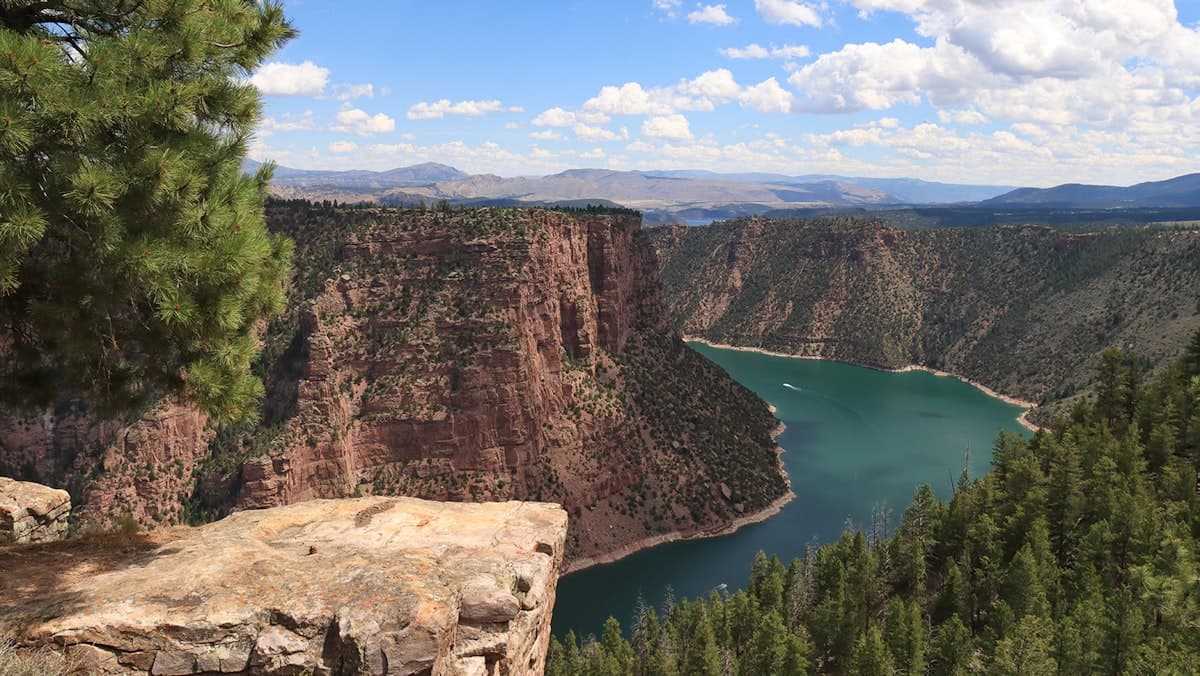
Climate-Driven Snow Drought
Worst Snowpack on Record Forces Western Ranchers to Haul Water Amid Climate Change
Anonymous
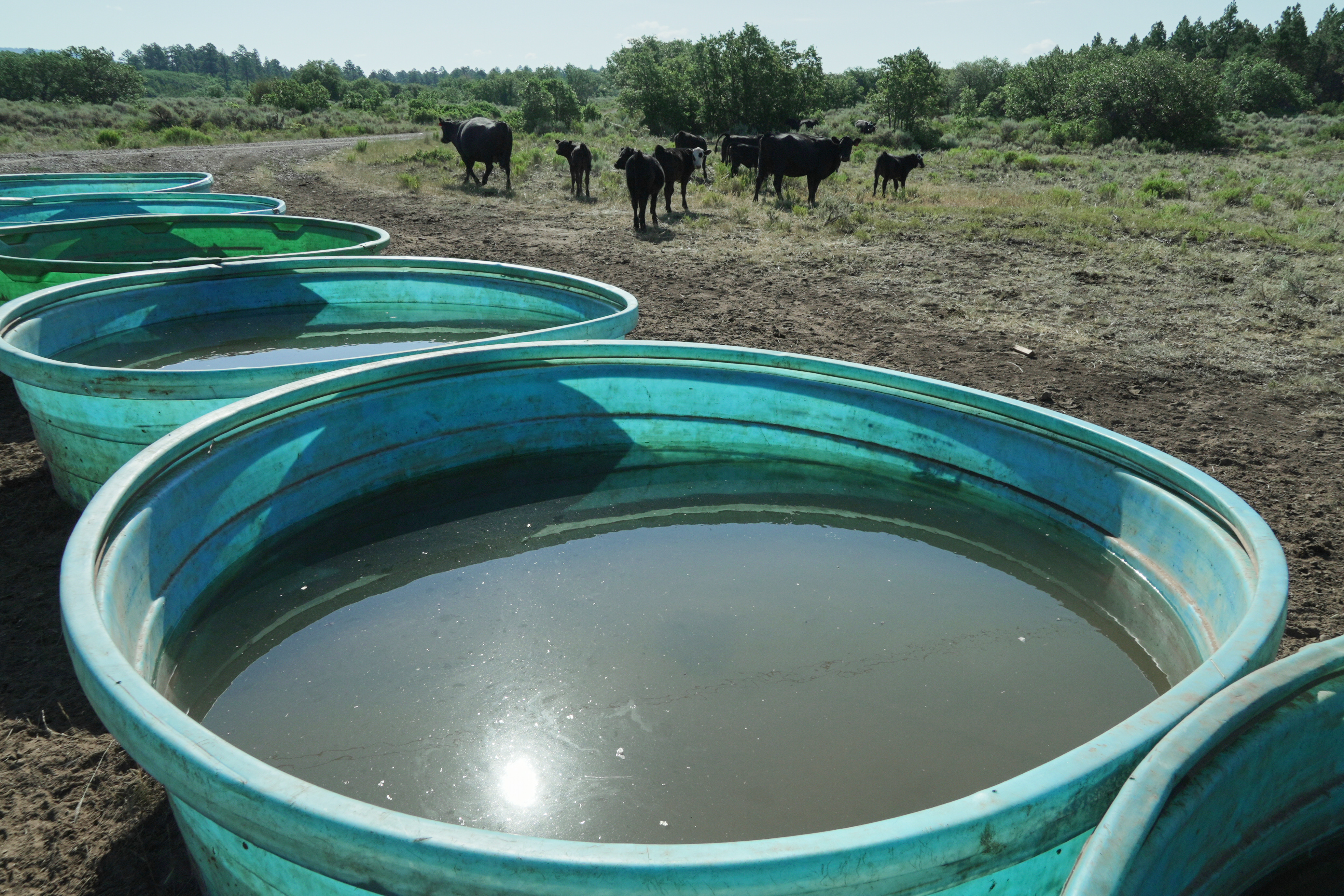
Ranchers across the U.S. Rockies are hauling water by truck every day just to keep their cattle alive. This year brought the worst snowpack ever recorded in the Upper Colorado River Basin, covering Wyoming, Colorado, Utah, and New Mexico, according to AP News.
A new study confirms that human-caused climate change made this kind of extreme snow drought about 14 times more likely. What was once a rare crisis is becoming a regular cost of doing business on the range.
Record-Low Snowpack Leaves Cattle Without Water
Snow in the mountains normally melts slowly, filling streams and ponds that cattle drink from all spring and summer. This year, that snow was barely there. The Upper Colorado River Basin hit its lowest snowpack on record, leaving pastures dry and water sources empty, Durango Herald reported.
Without natural water sources, ranchers must load tanks onto trucks and drive across rough terrain to bring water to their herds. It is a time-consuming and expensive job that now happens every single day for many families, according to News4Jax.
Family Ranches Fight to Stay Alive Amid Drought
Many of these operations are multigenerational family ranches. Owners are not just trying to make money. They are trying to keep a way of life alive, Tri-City Record reported. At the same time, their herds help feed America's beef supply, adding national stakes to a local struggle.
The extra work and cost grind ranchers down over time. One bad year is hard. Multiple dry years in a row can push a family operation to the breaking point. Ranchers say the compounding effect of lesser droughts year after year is just as dangerous as one extreme event, according to Click Orlando.
USDA Offers Help, But Limits Exist
Ranchers can apply for federal aid through the U.S. Department of Agriculture. The program helps cover above-normal costs for water hauling and extra feed caused by drought conditions, Beaumont Enterprise reported. It does not cover everything, but it can take some pressure off.
The catch is that the relief is designed for one-time emergencies. When droughts stack up year after year, the aid program struggles to keep pace with the ongoing damage. Ranchers still absorb much of the loss themselves, according to Click on Detroit.
Climate Change Makes Extreme Snow Droughts Far More Likely
Scientists say this is not a fluke. A study cited by AP News found that rising greenhouse gas emissions made a snow drought this severe 14 times more likely than it would have been in a stable climate. The odds of another extreme year grow as emissions continue to rise.
That means ranchers will need to plan for water hauling not as a rare emergency but as a permanent part of ranch life. Without major cuts in emissions, experts warn that what felt like a once-in-a-generation drought could become a once-a-decade reality, according to Durango Herald.
Sentiment
NeutralNEGATIVENEUTRALPOSITIVE
Publishers
7
Articles
6
Reach
7
A
AnonymousAuthor