Football Wagering Markets
Robinhood Expands Into Wagering Markets For Professional And College Football Games
Anonymous
Key Points
1
The Southern Miss–Troy market offers separate Over and Under contracts tied to a specified score line; a contract pays $1 if its prediction is correct, and users may close a position before the market resolves. Additional fees apply.
2
For the New Orleans–Atlanta and Houston–Dallas quarter markets, if the quarter ends tied and a tie/draw outcome is listed, that outcome resolves to “Yes” while the other outcomes resolve to “No.”
3
Robinhood warns that liquidity may be low while the pro-football events are live and that trading is temporarily paused during scheduled maintenance periods.
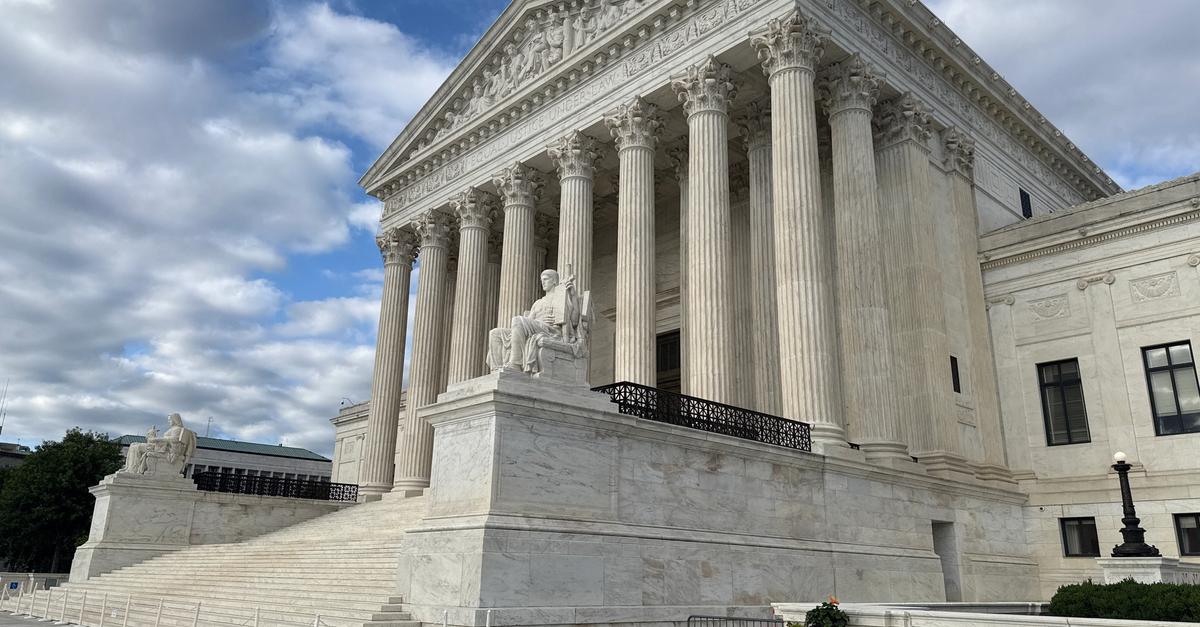
SCOTUSblog has launched its first Supreme Court forecasting contest in partnership with Good Judgment Inc, inviting readers to predict how the nation's highest court will rule on the most important cases. The contest marks a new way for legal observers to engage with SCOTUS decisions and test their understanding of the justices' likely positions.
How the SCOTUS Forecasting Contest Works
The contest invites participants to make formal predictions about Supreme Court decisions on major cases. Users enter their forecasts and track their accuracy as the Court issues rulings. SCOTUSblog partnered with Good Judgment Inc, a forecasting platform known for prediction markets, to build the contest framework.
Why SCOTUSblog Created the Contest
Legal analysts and court watchers have long debated how justices will vote on contentious cases. By creating a formal forecasting contest, SCOTUSblog lets readers move beyond speculation. The contest gives the legal community a structured way to measure prediction accuracy and learn patterns in Supreme Court decision-making.
Who Can Participate and What They'll Predict
Any reader can join the contest. Participants make predictions on outcomes in major Supreme Court cases—from constitutional questions to statutory interpretation. SCOTUSblog curates the cases featured based on their importance and public interest. Forecasts are tracked and scored against actual rulings when the Court decides each case.
The Broader Trend of Prediction Markets
Forecasting contests have grown in popularity as tools for testing expert judgment. Similar prediction markets exist in finance, politics, and sports. By bringing this model to Supreme Court decisions, SCOTUSblog taps into a broader movement toward evidence-based prediction and crowd wisdom on high-stakes outcomes.
Sentiment
Mostly NegativeNEGATIVENEUTRALPOSITIVE
Publishers
130
Articles
169
Reach
299
A
AnonymousAuthor


