Deadly Methanol Outbreak
Suspected Methanol Poisoning From Local Herbal Drink Kills 48 in Nigeria
Anonymous
Key Points
1
The reported cases were concentrated in Ondo State’s Odigbo and Irele local government areas, with officials estimating that 182 people were affected overall.
2
A trader in Odigbo told The Associated Press that Monkey Tail is sold in two versions: an original version considered safe and another version considered unsafe; the trader spoke anonymously because of fear of arrest.
3
A 32-year-old patient, Sola Adebayo, told local television that after drinking about two shots, he lost his vision the following day: “On Saturday, I noticed that I could not see.”
4
Ondo State Health Commissioner Banji Ajaka said the poisoning can progress rapidly, with the kidneys failing, eyesight being lost and the brain damaged depending on the amount consumed.
5
Local media reported that the first death occurred nearly three weeks before the Canadian travel warning, while locally made alcohol remains common in rural Nigeria because it is cheaper and poorly regulated; NAFDAC said sachet and small-container alcohol is particularly accessible to children and young people.
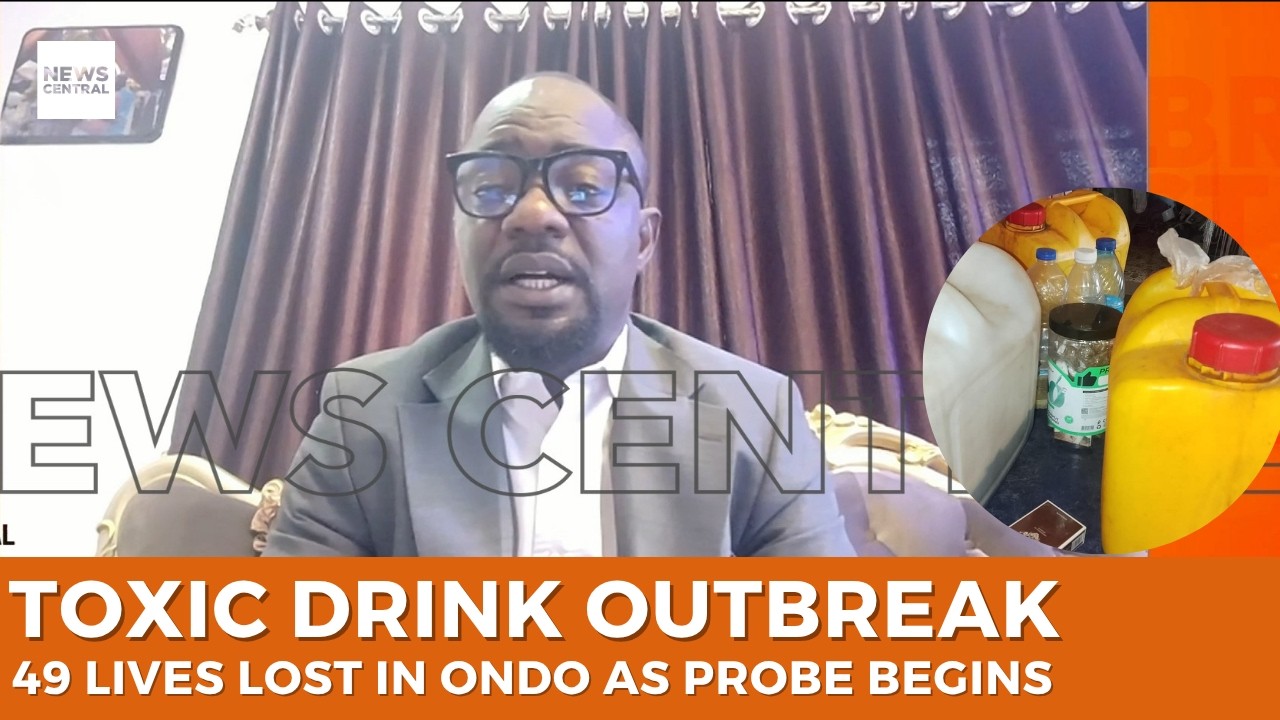
At least 48 people have died in Nigeria's Ondo State from methanol-laced alcohol, prompting Canada, UK, and Australia to issue urgent travel warnings. The poisoning outbreak affected roughly 180 people across Odigbo and Irele local government areas, with investigators suspecting methanol was mixed into a locally brewed herbal drink called "Monkey Tail." Canada advised travelers to buy alcohol only from licensed stores and seek immediate medical care if symptoms appear.
Methanol poisoning causes blindness, organ failure, and death within hours of consumption. Ondo State health officials confirmed the first death occurred nearly three weeks before the warnings, while Nigeria's food regulator banned sachet and small-container alcohol sales due to easy access by children and young people in rural areas.
Two Versions of Monkey Tail Created Deadly Confusion
Ondo State's "Monkey Tail" herbal drink exists in two versions—one considered safe and another unsafe—creating a deadly trap for unsuspecting drinkers. Associated Press spoke with an anonymous Odigbo trader who described how the two versions circulate in local markets. The contaminated version mixed methanol into the original formula, likely to boost potency or cut costs.
Nigerian police arrested 15 people connected to the suspected contamination. The investigation remains ongoing as authorities work to identify which batches contained methanol and trace the distribution networks that spread the poisoned alcohol across the region.
Vision Lost and Organs Failing in Hours
Sola Adebayo, 32, drank about two shots of the tainted alcohol and lost his vision the next day. "On Saturday, I noticed that I could not see," he told local television. Ondo State Health Commissioner Banji Ajaka explained that methanol poisoning progresses rapidly—kidneys fail, eyesight vanishes, and the brain suffers damage depending on how much was consumed.
Methanol is a toxic alcohol found in industrial products and antifreeze. Unlike ethanol (regular drinking alcohol), the human body cannot process methanol safely. Even small amounts can cause permanent blindness within 24 hours and death within 48-72 hours if untreated.
Cheap, Unregulated Alcohol Thrives in Rural Nigeria
Locally made alcohol remains widespread in rural Nigeria because it costs far less than licensed beverages and faces almost no regulation. Nigeria's National Agency for Food and Drug Administration and Control (NAFDAC) identified sachets and small plastic containers as particularly dangerous—they're cheap enough for children and young people to afford.
The outbreak exposed a critical gap in Nigeria's alcohol safety system. NAFDAC has now banned sachet and small-container alcohol sales nationwide, but enforcement in rural markets remains challenging. Canada, UK, and Australia recommended travelers stick to beverages from established hotels and restaurants with proper licensing.
Sentiment
Mostly NegativeNEGATIVENEUTRALPOSITIVE
Publishers
19
Articles
16
Reach
35
A
AnonymousAuthor